



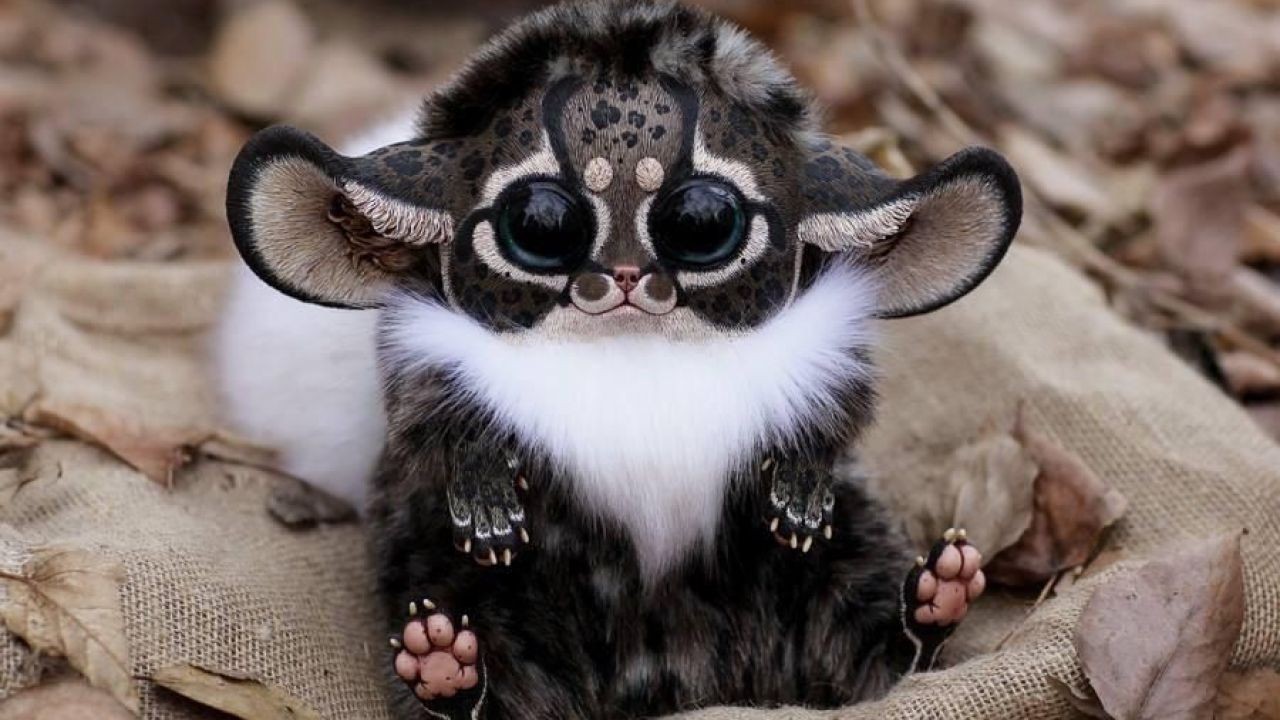
In the heart of Australia, a vast expanse of unique wildlife thrives, yet many species face unprecedented threats from habitat loss, climate change, and human encroachment. With over 1,700 species declared at risk (Australian Government, 2023), the urgency to track and protect these rare animals has never been greater. Enter Artificial Intelligence (AI), a transformative technology that holds the potential to revolutionize wildlife conservation efforts across the continent.
The Promise of AI in Wildlife Conservation
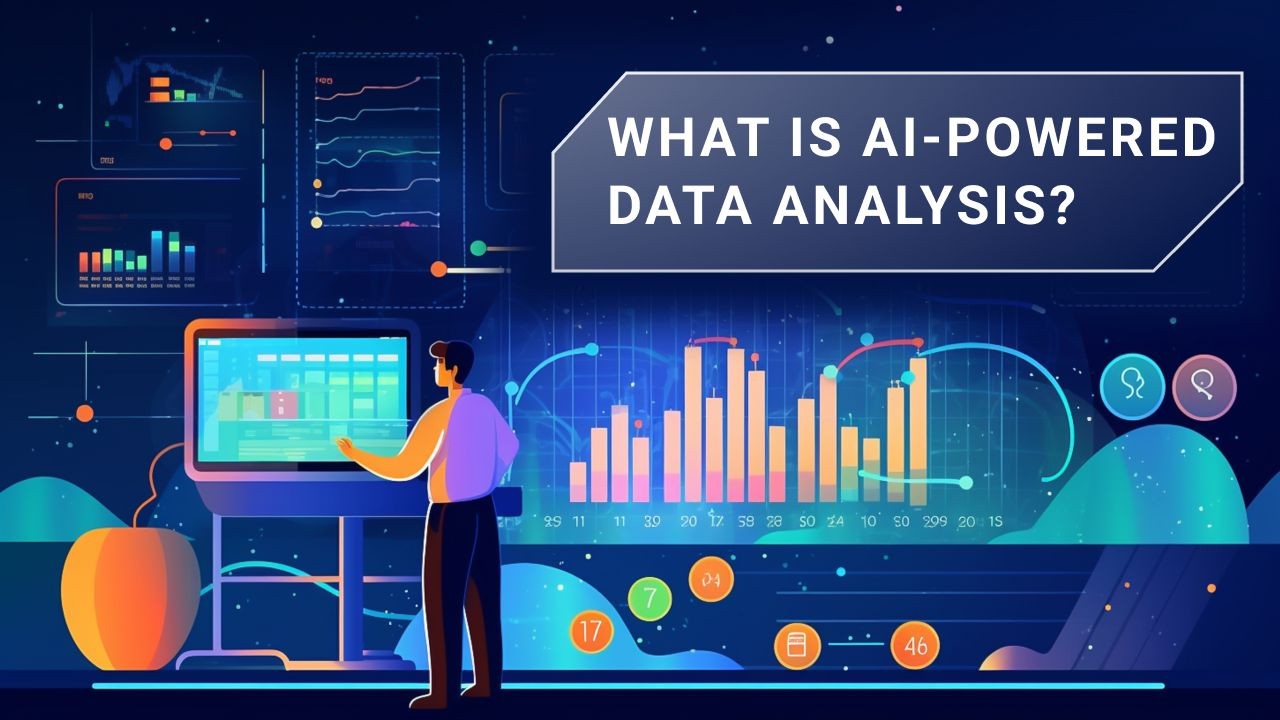
AI technology offers significant promise for enhancing conservation efforts by providing precise, real-time data on species populations. It can automate data collection and analysis, which traditionally relied on labor-intensive field studies. AI tools, such as machine learning algorithms and computer vision, can process vast amounts of data from sources like drone footage, camera traps, and satellite images to identify and monitor rare species.
Case Study: AI in Action – The Great Barrier Reef
The Great Barrier Reef, a UNESCO World Heritage site, serves as a prime example of AI’s potential in conservation. Researchers have employed AI to analyze underwater footage, identifying coral bleaching events and assessing reef health with unprecedented accuracy. This approach not only expedites data analysis but also allows for proactive conservation strategies. According to the Australian Institute of Marine Science, AI-driven monitoring has improved coral health assessments by 30%, enabling more focused and timely interventions.
Pros and Cons of Implementing AI in Conservation
Pros:
- Enhanced Accuracy: AI can process and analyze complex datasets, providing more precise information on wildlife populations.
- Cost Efficiency: Once implemented, AI systems can reduce the costs associated with manual monitoring and data collection.
- Real-Time Monitoring: Continuous data feeds from AI systems allow for real-time wildlife tracking, facilitating faster responses to threats.
- Scalability: AI technologies can be scaled to cover vast geographical areas, from dense rainforests to remote deserts.
Cons:
- High Initial Investment: The deployment of AI technologies requires significant financial investment, which may be challenging for some conservation projects.
- Data Privacy Concerns: The collection of extensive data on wildlife and their habitats raises ethical questions regarding privacy and data usage.
- Technological Limitations: AI systems depend on high-quality data inputs, which can be difficult to obtain in remote or inaccessible areas.
- Dependence on Technology: Over-reliance on AI could lead to reduced fieldwork expertise and ecological knowledge among conservationists.
Data-Driven Insights: Australia's Economic and Policy Context
Australia's economy is increasingly integrating digital technologies, with AI projected to contribute up to $22.17 billion to the GDP by 2030 (Deloitte Access Economics, 2022). Government initiatives, such as the National AI Strategy, aim to boost AI adoption across various sectors, including environmental conservation.
Regulatory bodies like the Australian Competition and Consumer Commission (ACCC) emphasize the importance of ethical AI deployment, ensuring that technologies are used responsibly and transparently. This is crucial for maintaining public trust and maximizing the positive impact of AI on Australia's biodiversity.
Comparative Global Examples with Australian Applications
Globally, AI has been successfully deployed to combat poaching in African wildlife reserves. Programs using AI-driven camera traps have reduced poaching incidents by 50% (World Wildlife Fund, 2022). These models can be adapted for Australia's unique ecosystems, protecting species like the Northern Hairy-nosed Wombat and the Western Swamp Tortoise from illegal wildlife trade and habitat destruction.
Common Myths and Mistakes in AI-Driven Conservation
Myth vs. Reality
- Myth: "AI can replace human conservation efforts entirely." Reality: While AI enhances conservation efforts, it cannot replace the expertise and intuition of human conservationists. Effective conservation requires a combination of AI and human intervention.
- Myth: "AI solutions are too costly for small conservation projects." Reality: Initial costs are high, but AI can lead to long-term savings by optimizing resource allocation and improving conservation outcomes.
- Myth: "AI-driven data is always accurate." Reality: AI accuracy depends on the quality of input data. Poor data can lead to incorrect analysis and misguided conservation strategies.
Future Trends in AI and Wildlife Conservation
Looking ahead, AI could further integrate with IoT (Internet of Things) devices, creating a comprehensive network for wildlife monitoring. This integration would enable more sophisticated data collection and real-time communication across conservation sites. Additionally, advancements in AI algorithms are expected to improve predictive analytics, allowing conservationists to anticipate and mitigate threats before they materialize.
By 2030, AI-driven conservation strategies could become a standard practice, with Australia leading the way in pioneering technologies that preserve biodiversity while balancing economic growth.
Final Takeaways
- AI as a Game-Changer: AI offers unparalleled opportunities to enhance wildlife conservation through precise data analytics and real-time monitoring.
- Economic Benefits: AI's integration into conservation aligns with Australia's economic goals, promising significant contributions to GDP growth.
- Ethical Deployment: Ensuring responsible AI use is crucial for maintaining public trust and maximizing conservation outcomes.
- Call to Action: Engage with local conservation initiatives and support policies that promote sustainable AI deployment in wildlife protection.
People Also Ask (FAQ)
- How does AI impact wildlife conservation in Australia? AI improves conservation efforts by providing precise data analytics and enabling real-time monitoring of wildlife populations, which is essential for proactive protection measures.
- What are the biggest misconceptions about AI in conservation? A common misconception is that AI can fully replace human efforts. However, AI enhances rather than replaces the expertise of conservationists.
- What are the best strategies for implementing AI in conservation? Start by integrating AI with existing monitoring systems, ensuring quality data inputs, and collaborating with ethical AI specialists to address potential privacy concerns.
Related Search Queries
- AI and wildlife conservation in Australia
- How AI is saving endangered species
- AI in environmental conservation
- Tech advancements in wildlife protection
- AI in tracking rare animal species
- Australia's National AI Strategy for conservation
- AI-driven solutions in biodiversity conservation
- Real-time wildlife monitoring with AI
- Ethical AI use in environmental protection
- Future of AI in wildlife conservation