


Art restoration is a field that plays a crucial role in preserving cultural heritage and history, yet it often comes under scrutiny due to the complexities and high stakes involved. In Australia, the art restoration industry is burgeoning, driven by a rich tapestry of indigenous and colonial art. However, the process is not without its challenges and controversies. This article delves into the truths and myths surrounding art restoration in Australia, supported by data, case studies, and expert insights.
Understanding Art Restoration: A Critical Perspective
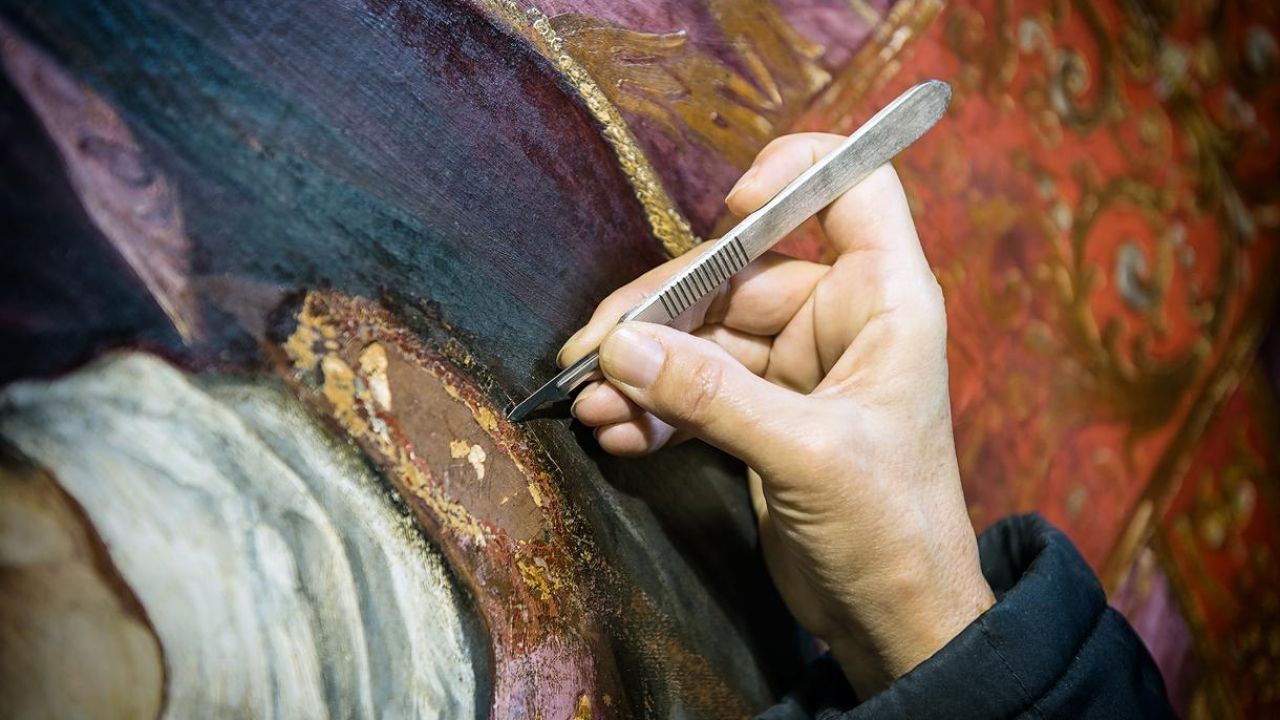
Art restoration refers to the meticulous process of repairing and preserving artworks to return them to their original appearance or to stabilize them for future generations. This involves a range of techniques, from cleaning and retouching to structural stabilization. In Australia, art restoration is particularly significant given the nation's diverse artistic heritage, which includes Aboriginal, colonial, and contemporary art.
The Australian art restoration industry has seen significant growth, driven by increasing public and institutional awareness of the importance of preserving cultural artifacts. According to a report by the Australian Bureau of Statistics (ABS), the cultural and creative industries, including art restoration, contribute over AUD 111.7 billion to the national economy, emphasizing the economic significance of this sector. However, the field is not without its critics, who question the ethics and authenticity of restoration practices.
The Hypothesis: Art Restoration as a Double-Edged Sword
The central hypothesis explored in this article is that while art restoration is essential for preserving cultural heritage, it poses ethical and technical challenges that can compromise the authenticity and integrity of artworks. This duality creates a complex landscape for restorers, who must balance historical accuracy with modern preservation techniques.
Experimentation and Techniques in Restoration
The practice of art restoration involves various techniques, each suited to specific types of damage and materials. Some of the most common methods include:
- Cleaning: Removing dirt, grime, and old varnish layers to reveal the original colors and details.
- Retouching: Carefully matching colors and materials to fill in missing areas or damaged parts of the artwork.
- Structural Stabilization: Reinforcing the physical integrity of an artwork, often through backing or lining canvases.
Australian restorers often employ a combination of traditional and modern techniques, including the use of digital imaging and chemical analysis, to ensure the accuracy and safety of restoration processes. For example, the National Gallery of Victoria has leveraged advanced imaging technologies to analyze and restore historical paintings, minimizing the risk of irreversible damage.
Results: The Impact of Restoration on Australian Art
The results of art restoration efforts in Australia are multifaceted. On one hand, restoration has saved countless artworks from deterioration, allowing future generations to experience and learn from these cultural treasures. On the other hand, some restorations have sparked controversy due to perceived alterations in artistic intent or historical accuracy.
One notable example is the restoration of the "Dawn of Civilization" mural by artist Arthur Murch, housed in the State Library of New South Wales. The restoration project, completed in 2021, involved extensive research and collaboration with art historians to ensure the mural's colors and details were preserved authentically. Despite its success, the project faced criticism for the potential alteration of Murch's original artistic vision, highlighting the delicate balance restorers must maintain.
Interpretations and Ethical Considerations
Art restoration in Australia, like in many parts of the world, is fraught with ethical considerations. Restorers must make informed decisions about the extent to which they should intervene in an artwork's current state. The Australian Institute for the Conservation of Cultural Material (AICCM) provides guidelines emphasizing minimal intervention and reversibility, ensuring that restoration efforts do not erase or overshadow an artwork's historical context.
Moreover, the debate over authenticity versus preservation continues to divide experts. Some argue that restoration can never truly replicate an artist's original intent, while others contend that responsible restoration is necessary to prevent further degradation and loss of cultural heritage.
Comparative Analysis: Global Trends and Australian Context
Globally, art restoration practices vary significantly, influenced by cultural, historical, and institutional factors. In Europe, for instance, the focus is often on preserving the artist's original materials and techniques, while in the United States, there is a greater emphasis on using advanced technologies to enhance the longevity of artworks.
In Australia, the integration of indigenous perspectives in art restoration is a key differentiator. The AICCM has been working closely with Aboriginal and Torres Strait Islander communities to ensure that restoration practices respect and incorporate traditional knowledge and cultural values. This collaboration is essential, given that indigenous art constitutes a significant portion of Australia's cultural heritage.
A report by the Treasury AU highlights that the cultural and creative sectors, including art restoration, are integral to Australia's economy and societal well-being. The report underscores the need for ongoing investment in conservation training and research to maintain and improve restoration practices.
Case Study: The Sydney Opera House Tapestry Restoration
One prominent case study exemplifying Australia's approach to art restoration is the restoration of the Sydney Opera House Tapestry. This iconic artwork, designed by artist Jørn Utzon, had suffered significant wear over the decades due to environmental exposure.
The restoration project, led by a team of Australian and international experts, involved extensive research into the tapestry's original materials and techniques. By employing a combination of traditional weaving methods and modern conservation technologies, the team successfully restored the tapestry to its former glory, ensuring its preservation for future generations.
This project not only demonstrated the technical prowess of Australian restorers but also underscored the importance of international collaboration and knowledge exchange in the field of art restoration.
Common Myths and Mistakes in Art Restoration
Despite its critical role in preserving cultural heritage, art restoration is often shrouded in myths and misconceptions. Here, we debunk some of the most prevalent myths in the field:
- Myth: "Restoration always restores an artwork to its original state." Reality: Restoration aims to preserve and stabilize artworks, not necessarily to return them to their original state. The process involves balancing historical accuracy with modern conservation techniques.
- Myth: "Restoration is a quick and simple process." Reality: Art restoration is a complex, time-consuming process that requires extensive research, careful planning, and skilled execution. Projects can take months or even years to complete.
- Myth: "Any damage can be repaired through restoration." Reality: While restoration can address many types of damage, some issues, such as severe structural damage or irreversible fading, may be beyond repair.
Future Trends in Art Restoration
As the field of art restoration continues to evolve, several trends are shaping its future in Australia and beyond:
- Increased Use of Technology: Advances in imaging and analysis technologies are allowing restorers to better understand and preserve artworks. Techniques such as 3D scanning and multispectral imaging provide insights into an artwork's condition and history without invasive procedures.
- Sustainability and Environmental Considerations: As awareness of environmental issues grows, there is increasing emphasis on sustainable restoration practices. This includes using eco-friendly materials and methods that minimize environmental impact.
- Collaboration with Indigenous Communities: As Australia continues to recognize and respect its indigenous heritage, collaboration with Aboriginal and Torres Strait Islander communities will be crucial in ensuring culturally sensitive restoration practices.
According to a report by the Commonwealth Scientific and Industrial Research Organisation (CSIRO), the integration of new technologies and sustainable practices will be pivotal in shaping the future of art restoration, ensuring that cultural heritage is preserved for future generations.
Conclusion: The Path Forward for Australian Art Restoration
The truth about art restoration in Australia is complex, encompassing both the preservation of cultural heritage and the ethical dilemmas involved in altering historical artifacts. As the industry continues to grow and evolve, it is essential for restorers, policymakers, and the public to engage in informed discussions about the best practices and future directions for art restoration.
To stay informed about the latest developments in art restoration and cultural heritage preservation, consider engaging with organizations such as the Australian Institute for the Conservation of Cultural Material (AICCM) and participating in public discussions and forums. Together, we can ensure that Australia's rich artistic heritage is preserved for future generations.
Final Takeaways:
- Art restoration is essential for preserving Australia's diverse cultural heritage, but it poses ethical and technical challenges.
- Advanced technologies and sustainable practices are shaping the future of art restoration.
- Collaboration with indigenous communities is crucial for culturally sensitive restoration practices.
- Ongoing investment in conservation training and research is essential for maintaining and improving restoration practices.
People Also Ask (FAQ)
How does art restoration impact Australia's cultural heritage?Art restoration is crucial for preserving Australia's cultural heritage, allowing future generations to experience and learn from these cultural treasures. It ensures that artworks remain intact and accessible, contributing to the nation's cultural identity and economy.
What are the biggest misconceptions about art restoration?One common myth is that restoration returns artworks to their original state. However, restoration aims to preserve and stabilize artworks, balancing historical accuracy with modern conservation techniques.
What are the best strategies for implementing art restoration?Experts recommend starting with thorough research and analysis, followed by the use of appropriate restoration techniques and materials. Collaboration with cultural experts and stakeholders ensures culturally sensitive practices.
Related Search Queries
- Art restoration techniques in Australia
- Challenges in art restoration
- Art conservation and preservation
- Indigenous art restoration in Australia
- Future of art restoration technologies