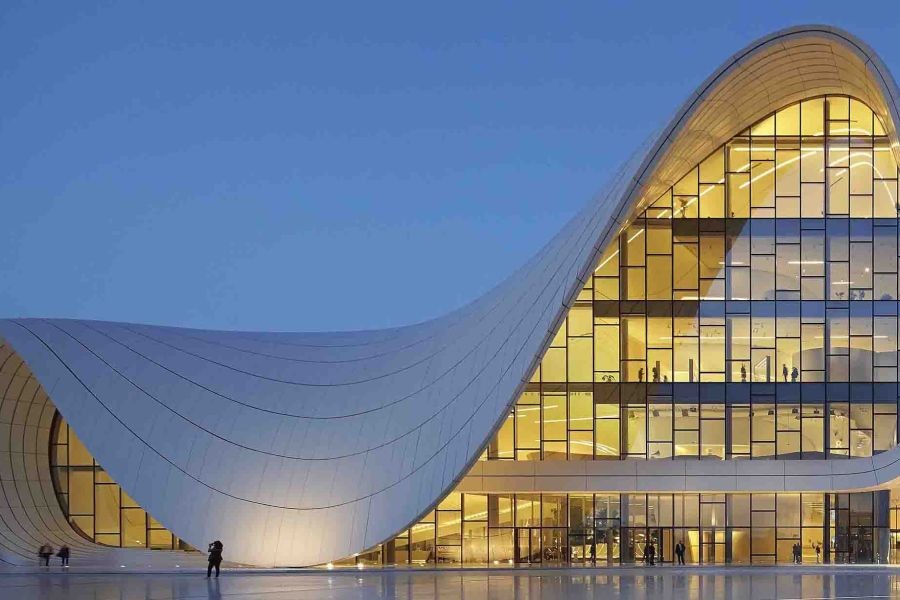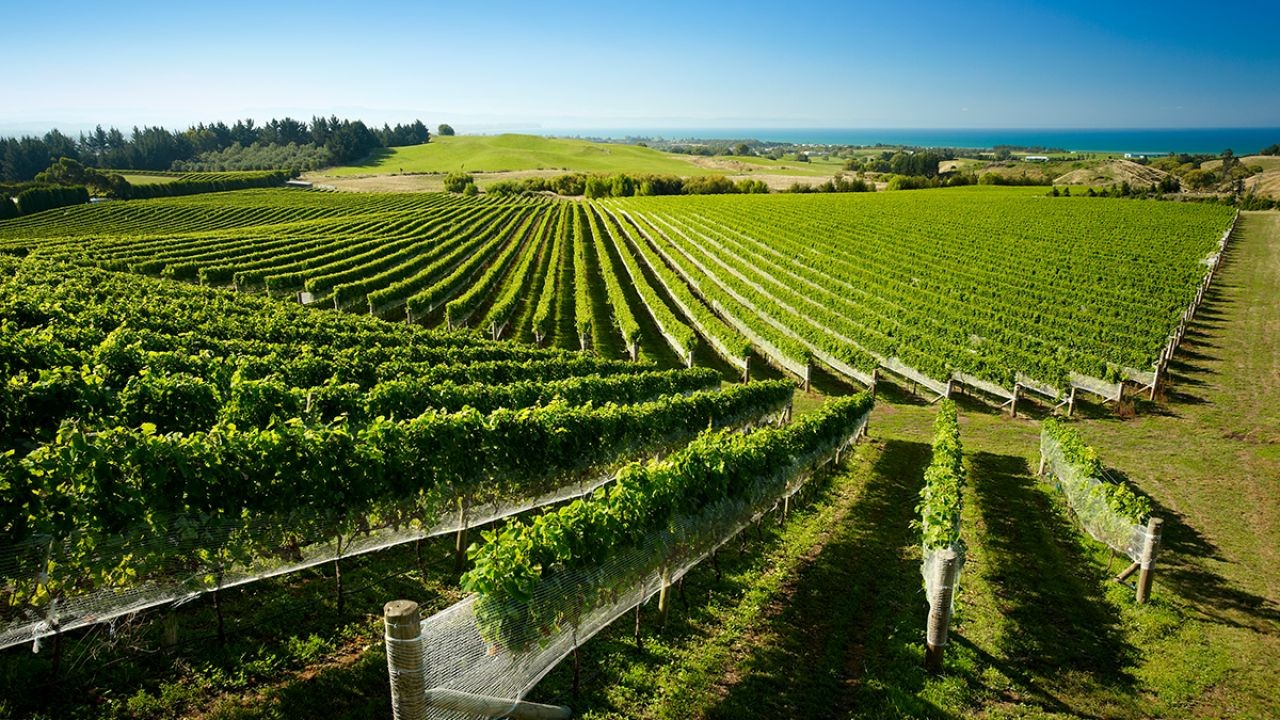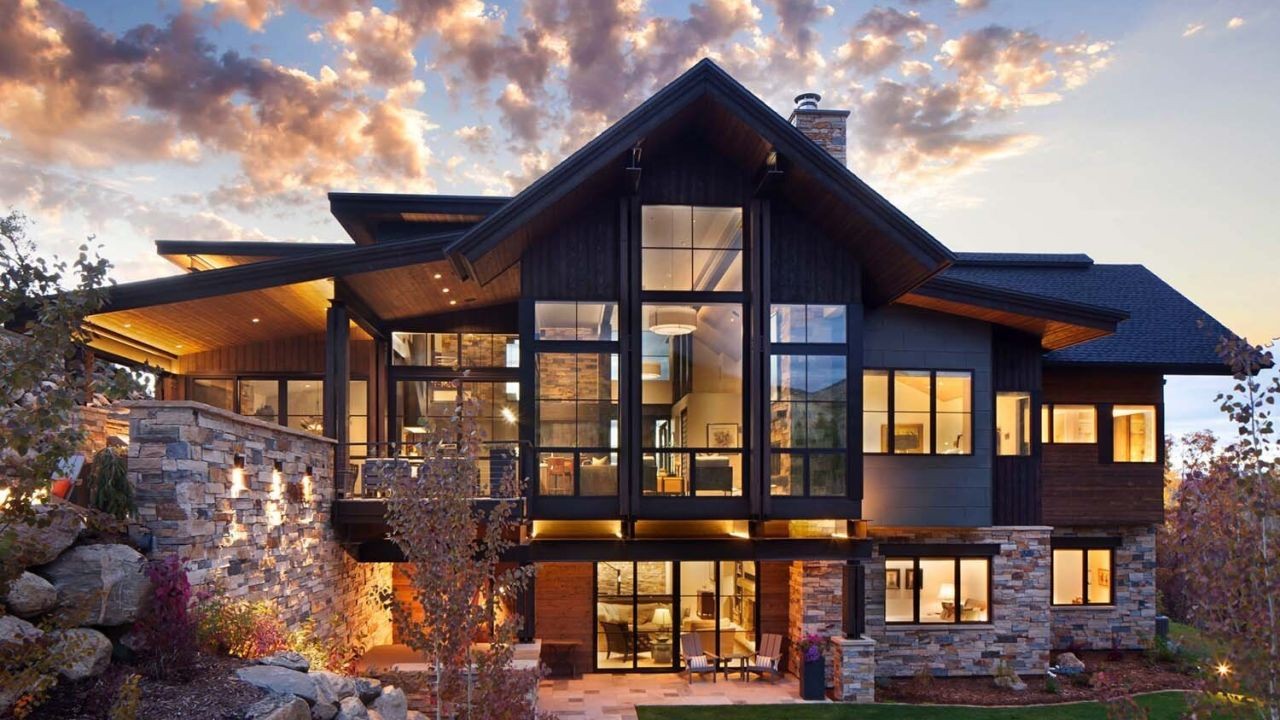






As New Zealand emerges from the shadows of the COVID-19 pandemic, the film industry is poised for a transformative journey. Film production, a cornerstone of Kiwi culture and economy, is experiencing a renaissance that offers both challenges and unprecedented opportunities. But what does this mean for the commercial real estate sector? As investors and brokers, understanding these dynamics is crucial for capitalizing on emerging trends.
🎬 How New Zealand's Film Industry is Navigating Post-COVID Changes
Meet Olivia, a seasoned film producer based in Auckland. Pre-pandemic, Olivia's production company was thriving, shooting both domestic and international projects. However, the 2020 lockdowns brought production to a standstill. Fast forward to 2023, Olivia is witnessing a surge in demand for content driven by streaming platforms and global cinematic partnerships. The question is, how is this demand translating into real estate opportunities?
New Zealand's film industry has always been a magnet for international productions due to its scenic locations and favorable government policies. According to Stats NZ, the country saw a 15% increase in film production activity post-pandemic. This resurgence is not just about storytelling—it's about infrastructure, technology, and strategic investments in commercial spaces tailored to film production needs.
🏗️ The Infrastructure Boon: Commercial Real Estate's Rising Star
The film industry’s recovery is catalyzing a significant demand for specialized facilities. Consider the rise of studio spaces, editing suites, and post-production facilities. New Zealand is seeing a burgeoning need for studio spaces that can accommodate large-scale productions. This demand is a golden opportunity for commercial real estate investors looking to diversify portfolios into niche markets.
- Studio Demand: As digital platforms like Netflix and Amazon invest in original content, the need for studio space is accelerating. Auckland Film Studios, for example, has seen a 30% increase in bookings since 2022, highlighting the need for expanded facilities.
- Technology Integration: With advancements in virtual production techniques, studios are investing in high-tech infrastructure. This trend requires retrofitting existing spaces or developing new ones, providing a lucrative avenue for real estate developers.
🗺️ Comparative Analysis: How Global Trends Inform Local Strategies
Globally, the film industry's recovery is being shaped by strategic investments in infrastructure. The UK, for instance, has seen substantial growth in film production due to government incentives and the development of new studios. This model offers insights into how New Zealand can enhance its competitive edge.
As New Zealand aims to attract more international productions, it’s crucial for stakeholders to consider successful global strategies. Tax incentives and partnerships between government and private sectors can drive infrastructural development, ensuring the country remains a top destination for filmmakers.
✨ Storytelling Success: A Film Studio Case Study
Case Study: Weta Digital - Expanding Horizons
Problem: Weta Digital, a leading visual effects company in Wellington, faced challenges during the pandemic as production halted. The company needed to innovate to sustain operations.
Action: Weta Digital invested in cutting-edge virtual production technology, allowing creative work to continue remotely. They also expanded their studio space to accommodate new projects as restrictions eased.
Result: This strategic shift led to a 25% increase in project bookings by 2023, with new collaborations with international studios.
Takeaway: Investing in technology and infrastructure can safeguard and even enhance production capabilities in uncertain times. For real estate investors, this highlights the potential in supporting tech-enabled studio spaces.
📊 Data-Driven Insights: Opportunities for Real Estate Investors
From the Reserve Bank of New Zealand's recent analysis, the country's GDP is projected to grow by 3% annually over the next five years, partially fueled by the creative sector. This growth signifies increased demand for commercial real estate tailored to the film industry, from studio spaces to creative hubs.
⚖️ Pros and Cons of Investing in Film Industry Real Estate
✅ Pros:
- High Demand: The resurgence of film production is driving demand for specialized real estate, offering high ROI potential.
- Government Support: With ongoing government incentives, the financial risk is mitigated, encouraging infrastructure development.
- Technological Advancements: Investing in tech-forward studio spaces can attract international productions.
❌ Cons:
- Market Volatility: The film industry is susceptible to global economic fluctuations which can impact demand for production spaces.
- High Initial Costs: Developing or retrofitting spaces for film production requires significant capital investment.
🔥 Controversial Take: Is New Zealand Truly the Ideal Film Destination?
While New Zealand is renowned for its picturesque locations and favorable production conditions, some experts argue that the country needs to invest more in infrastructure to remain competitive. The debate centers around whether current facilities can meet the rising demand driven by international productions. Industry insiders suggest that without strategic investment, New Zealand risks losing its edge to countries offering more comprehensive production packages.
❌ Common Myths & Mistakes in Film Industry Real Estate
- Myth: "All film studios are created equal." Reality: Facilities with integrated technology and adaptable spaces are in higher demand.
- Myth: "Location is the only factor for success." Reality: While important, the availability of skilled labor and tech infrastructure is equally crucial.
- Myth: "Film production is a short-term trend." Reality: The rise of digital platforms ensures sustained demand for years to come.
🔮 Future Trends & Predictions: The Next Chapter for NZ's Film Industry
According to a report by PwC, the global entertainment and media market is expected to reach $2.4 trillion by 2025, with New Zealand poised to capture a significant share. By 2028, it's predicted that 50% of film production in New Zealand will involve advanced virtual reality and AI technologies, reshaping the industry landscape.
🔍 People Also Ask (FAQ)
How does the film industry impact New Zealand's economy?
The film industry significantly boosts New Zealand's economy, contributing billions in revenue and creating thousands of jobs annually. The sector's growth post-COVID-19 is expected to enhance this impact further.
What are the biggest misconceptions about investing in film industry real estate?
A common misconception is that location alone determines success. In reality, a combination of location, technology, and skilled workforce availability is crucial.
🔍 Related Search Queries
- New Zealand film industry growth post-COVID
- Film production real estate investment NZ
- Impact of streaming services on New Zealand film
- New Zealand as a film production hub
- Future of filmmaking in New Zealand
Conclusion: Final Takeaway & Call to Action
As New Zealand’s film industry continues to evolve post-pandemic, the real estate sector stands at the cusp of exciting opportunities. For investors and brokers, the focus should be on leveraging this growth by investing in state-of-the-art facilities that cater to the technological advancements shaping the future of film production. Ready to dive into this burgeoning market? Consider exploring partnerships with tech-forward studios or investing in infrastructure development projects to stay ahead of the curve. Share your thoughts or connect with us to discuss potential opportunities in this dynamic sector!