




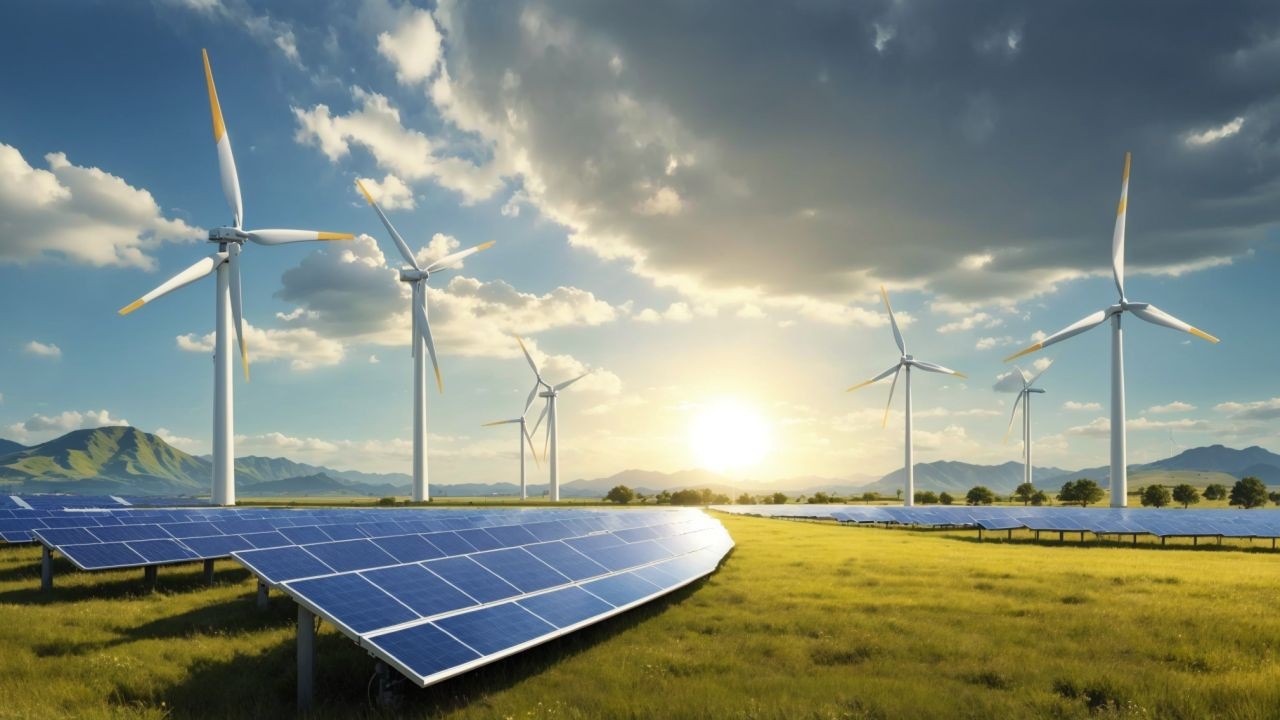
In the realm of renewable energy, Australia has often been hailed as a beacon of innovation and sustainability, notably for its commitment to transitioning towards a greener future. However, a nuanced examination of the nation’s renewable energy landscape reveals a complex narrative that challenges the perception of its pristine environmental credentials. While renewable energy sources such as solar and wind power undoubtedly play a crucial role in reducing carbon emissions, some experts argue that these solutions are not as environmentally benign as they appear. This article delves into the intricacies of Australia’s renewable energy sector, highlighting industry trends, policy implications, and the wider economic impact.
The Australian Renewable Energy Landscape: A Brief Overview
Australia’s renewable energy sector has been rapidly expanding, with solar and wind power leading the charge. According to the Australian Bureau of Statistics (ABS), renewable energy sources contributed to 27% of the country's electricity generation in 2022, a significant increase from previous years. The government has set ambitious targets, aiming for renewable energy to account for 50% of electricity generation by 2030. This shift is driven by a combination of policy support, technological advancements, and decreasing costs of renewable technologies.
The Paradox of Renewable Energy
Despite the positive strides, some experts argue that the environmental impact of renewable energy systems is not entirely green. A critical analysis reveals that the production, installation, and maintenance of renewable energy infrastructure, particularly solar panels and wind turbines, involve significant carbon emissions. The mining of raw materials, energy-intensive manufacturing processes, and transportation contribute to the carbon footprint, challenging the notion of 'clean energy'.
Case Study: The Impact of Solar Energy in Australia
Let's consider the case of a solar farm in South Australia. While the facility generates clean energy, the production of solar panels involves extracting and processing silica, a process that emits considerable CO2. Furthermore, the end-of-life disposal of solar panels presents significant environmental challenges. With an estimated lifespan of 25 years, the future disposal of millions of panels poses a risk of hazardous waste.
Takeaway: The lifecycle analysis of renewable technologies is crucial in evaluating their true environmental impact. While solar power contributes to emission reductions during operation, its production and disposal require careful management to mitigate environmental harm.
Policy and Economic Implications
The Australian government has introduced several policies to support the renewable energy sector, such as the Renewable Energy Target (RET) and various state-based schemes. These policies incentivize investment in renewable projects, fostering economic growth and creating jobs in the sector. According to the Clean Energy Council, the renewable energy industry employed over 25,000 people in 2023, with further growth anticipated as new projects come online.
However, the transition to renewable energy also poses economic challenges. The intermittent nature of solar and wind power necessitates investment in energy storage technologies and grid infrastructure to ensure a reliable supply. These costs can be substantial, raising questions about the economic feasibility and long-term sustainability of a renewable-dominant energy system.
Pros and Cons of Renewable Energy in Australia
Pros:
- Emission Reductions: Renewable energy significantly reduces greenhouse gas emissions, contributing to climate change mitigation.
- Economic Growth: The sector creates jobs and stimulates investment in regional areas.
- Energy Independence: Utilizing local renewable resources reduces reliance on imported fossil fuels.
Cons:
- Resource Intensive: The production and disposal of renewable infrastructure involve significant environmental and economic costs.
- Intermittency Issues: Solar and wind power require backup systems and storage solutions to maintain a stable energy supply.
- Land Use: Large-scale renewable projects can impact local ecosystems and land availability.
Common Myths and Misconceptions
Myth vs. Reality
- Myth: Renewable energy is completely carbon-free. Reality: While renewables emit no CO2 during operation, their production and disposal involve significant carbon emissions.
- Myth: Renewable energy is always cheaper than fossil fuels. Reality: The initial costs of renewable infrastructure and storage solutions can be higher than traditional energy sources.
- Myth: Renewable energy systems require no maintenance. Reality: Regular maintenance and technological upgrades are necessary to ensure efficiency and longevity.
Future Trends and Predictions
Looking ahead, the renewable energy sector in Australia is poised for further transformation. The integration of advanced energy storage technologies and smart grid systems will be pivotal in addressing the intermittency and reliability challenges associated with renewables. According to a report by the Australian Renewable Energy Agency (ARENA), the cost of energy storage technology is expected to decrease by 50% by 2030, making renewable energy more economically viable.
Moreover, innovations in recycling technologies for solar panels and wind turbines are underway, promising to mitigate the environmental impact of their disposal. As these technologies mature, the lifecycle emissions of renewable energy systems are anticipated to decline, enhancing their green credentials.
Conclusion
Australia's renewable energy sector represents a significant step towards a more sustainable future. However, it is crucial to acknowledge and address the environmental and economic challenges associated with renewable technologies. By implementing comprehensive lifecycle assessments and investing in technological innovations, Australia can enhance the sustainability of its renewable energy systems. As the nation continues to transition towards greener energy sources, a balanced approach that considers both the benefits and limitations of renewables will be vital in ensuring a truly sustainable energy future.
Final Takeaway & Call to Action
- Understand the full lifecycle impact of renewable technologies to make informed decisions.
- Invest in energy storage and smart grid technologies to enhance the reliability of renewable energy systems.
- Encourage policy development that supports sustainable practices in the renewable energy sector.
What strategies do you think are crucial for advancing Australia's renewable energy sector? Share your thoughts and join the discussion on LinkedIn or your preferred social media platform!
People Also Ask (FAQ)
- How does renewable energy impact businesses in Australia? Renewable energy adoption can lead to cost savings and sustainability branding, enhancing both financial performance and corporate reputation.
- What are the biggest misconceptions about renewable energy in Australia? A common myth is that renewables are completely carbon-free. However, their production and disposal involve emissions, requiring careful management.
- What upcoming changes in Australia could affect renewable energy? By 2026, advancements in energy storage and recycling technologies could significantly reduce the environmental impact of renewable systems.
Related Search Queries
- Is renewable energy truly sustainable?
- Environmental impact of solar energy in Australia
- Future of wind power in Australia
- Challenges of renewable energy in the Australian economy
- Australian renewable energy policies 2023
- Lifecycle emissions of renewable energy systems
- Recycling solar panels Australia
- Energy storage technologies in Australia
- Renewable energy investment opportunities in Australia
- Economic impact of renewable energy transition