


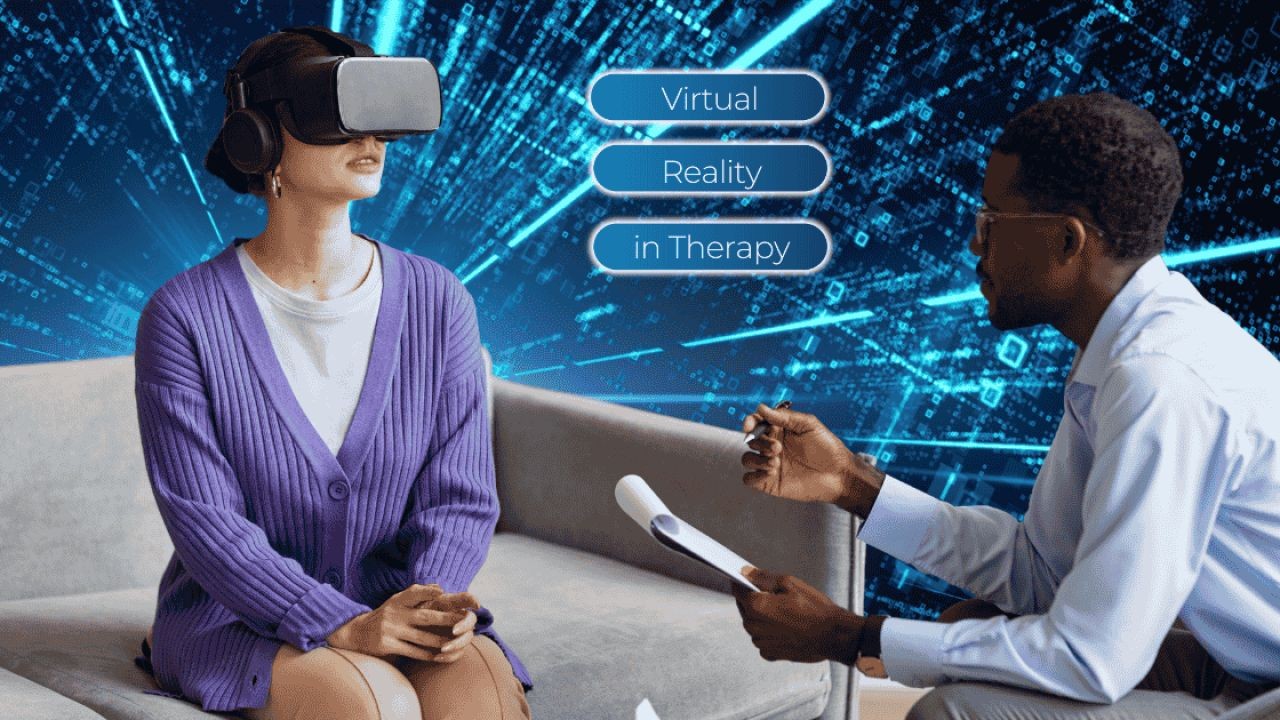
Did you know that mental health disorders are among the leading causes of illness in Australia, affecting approximately 20% of the population each year? With the advent of technological innovations, Virtual Reality Therapy (VRT) is poised to revolutionize mental health treatment in the region.
Virtual Reality Therapy offers a promising frontier for mental health treatment, especially in Australia, where geographic isolation and limited access to specialized care pose significant challenges. As a lifestyle trend forecaster, it's crucial to explore how this technology is set to reshape the landscape of mental health treatment, the economic implications, and the potential risks and ethical concerns that accompany its adoption.
The Current State of Mental Health in Australia
According to the Australian Bureau of Statistics, mental health conditions are a significant concern, with anxiety disorders affecting 14% of the population and depressive disorders impacting around 6%. The Australian government has recognized these challenges, allocating $10 billion towards mental health initiatives by 2030. However, the demand for innovative solutions continues to rise.
Virtual Reality Therapy: An Innovative Approach
Virtual Reality Therapy immerses patients in a simulated environment, allowing them to confront and manage their mental health issues in a controlled setting. This approach has shown promise in treating various conditions, including PTSD, anxiety, and phobias. By providing a safe and engaging environment, VRT enables patients to explore their fears and anxieties under the guidance of trained therapists.
Case Study: MindfulTech – A Pioneer in Australian VRT
Problem: MindfulTech, an Australian startup, identified a gap in mental health services for patients in remote areas. Traditional therapy was often inaccessible due to distance and cost, resulting in untreated mental health conditions.
Action: To address this, MindfulTech developed a series of VRT programs tailored to specific mental health issues. These programs leverage VR headsets and software to simulate therapeutic scenarios, such as exposure therapy for phobia treatment.
Result: Within a year, MindfulTech's clients reported a 50% improvement in anxiety symptoms and a 30% reduction in therapy dropout rates. The success of these programs underscores the potential of VRT in enhancing mental health outcomes.
Takeaway: MindfulTech's success highlights the transformative power of Virtual Reality Therapy in overcoming barriers to mental health treatment, particularly in geographically isolated regions of Australia.
Pros and Cons of Virtual Reality Therapy
Pros:
- Improved Access: VRT can extend mental health services to remote and underserved areas, reducing geographic barriers.
- Enhanced Engagement: The immersive nature of VR can increase patient engagement and adherence to therapy.
- Cost-Effective: Over time, VRT can lower costs by reducing the need for in-person sessions and travel expenses.
- Personalized Treatment: VR environments can be tailored to individual patient needs, enhancing the therapeutic experience.
Cons:
- High Initial Costs: The setup for VRT requires significant investment in hardware and software.
- Technical Challenges: Issues such as motion sickness and technological malfunctions can hinder therapy sessions.
- Regulatory Hurdles: As a new treatment modality, VRT faces regulatory challenges that need to be addressed by bodies like the Australian Prudential Regulation Authority (APRA).
- Privacy Concerns: The use of personal data in VR environments raises ethical and privacy issues.
Future Trends and Predictions
As Australia continues to invest in mental health infrastructure, the integration of VRT is expected to grow exponentially. By 2026, it's predicted that 40% of mental health practitioners in Australia will incorporate VR into their treatment plans, driven by the technology's effectiveness and accessibility. Moreover, advancements in VR technology, such as haptic feedback and AI-driven analytics, will further personalize and enhance therapeutic outcomes.
Common Myths and Misconceptions
- Myth: VRT is only for tech-savvy individuals. Reality: VRT is designed to be user-friendly, with intuitive interfaces that cater to all age groups. Studies show that older adults can benefit significantly from VR therapies.
- Myth: Virtual Reality is only for gaming. Reality: Beyond gaming, VR has established itself as a powerful tool in education, healthcare, and professional training, demonstrating its versatility in various fields.
Final Takeaways
- Fact: Virtual Reality Therapy is set to transform mental health treatment in Australia, making it more accessible and effective.
- Strategy: Mental health practitioners should consider integrating VR into their treatment plans to enhance patient outcomes and engagement.
- Mistake to Avoid: Underestimating the initial investment in VR technology can lead to implementation challenges. A comprehensive cost-benefit analysis is essential.
In conclusion, Virtual Reality Therapy presents a groundbreaking opportunity to advance mental health treatment in Australia. As the technology evolves, so too will the possibilities for more effective and accessible care. For mental health professionals and policymakers, staying informed and prepared to embrace these changes is crucial.
What's your take on Virtual Reality Therapy's role in mental health? Join the conversation and share your insights below!
People Also Ask
- How does Virtual Reality Therapy impact mental health treatment in Australia? Virtual Reality Therapy enhances accessibility and engagement in mental health treatment, offering solutions to geographic and cost barriers.
- What are the biggest misconceptions about Virtual Reality Therapy? One common myth is that VRT is only for tech-savvy individuals, but it's designed for all ages and tech experience levels.
- What are the best strategies for implementing Virtual Reality Therapy? Experts recommend starting with pilot programs, investing in comprehensive training for therapists, and ensuring robust technical support.
Related Search Queries
- Virtual Reality Therapy Australia
- Benefits of VR in mental health
- VR therapy success stories
- Future of mental health treatment
- Virtual Reality Therapy cost in Australia