17 September 2025

Vidude  avatar
Vidude

@Vidude

Why New Zealand Should Make All Cultural Practices More Inclusive of Maori Traditions – Why This Matters More Than Ever to Kiwis

Explore why integrating Maori traditions into all cultural practices in New Zealand is crucial for national unity and identity.

Miscellaneous & Other

89.9K Views

187 Share

Advertisement

Advertise With Vidude


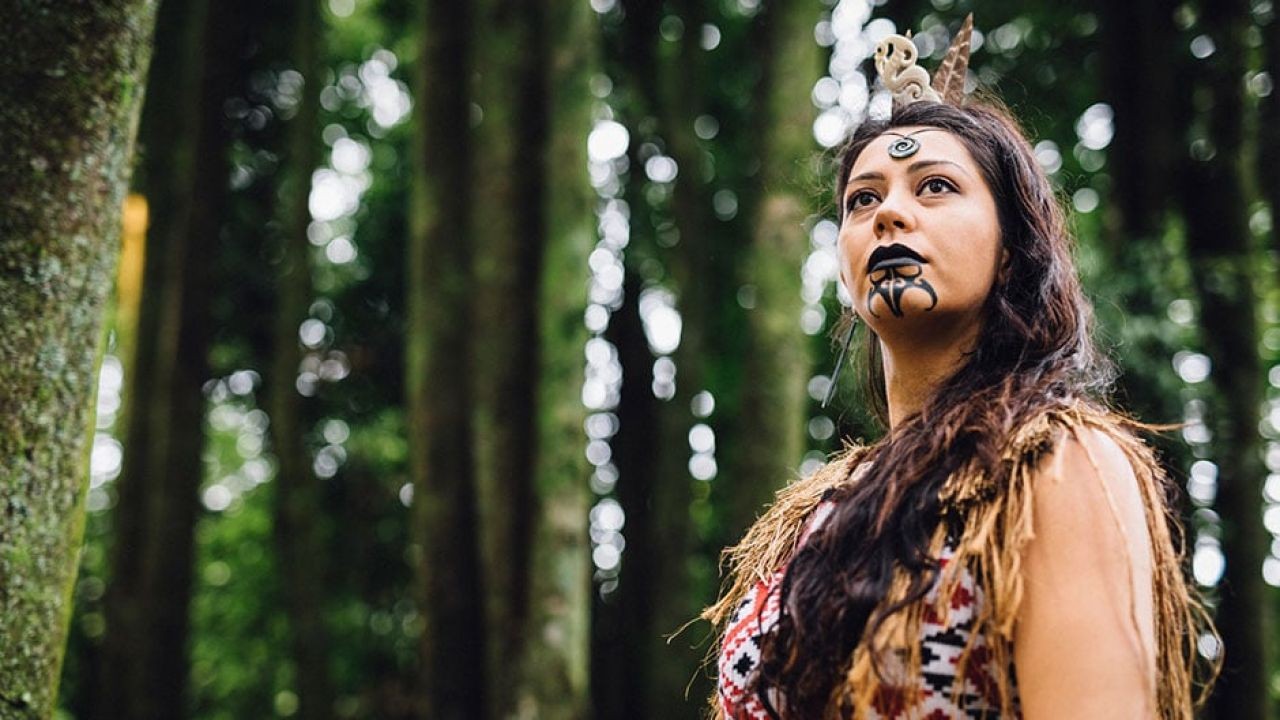
In the heart of New Zealand, a cultural renaissance is quietly taking shape, driven by a growing recognition of the value in integrating Maori traditions into the nation’s broader cultural practices. This shift is not just a nod to history but a strategic move that could redefine New Zealand’s social and economic landscape. The drive for inclusivity, while culturally enriching, also holds significant implications for industries ranging from tourism to education. "Embracing Maori culture," says Dr. Ella Morgan, a cultural studies expert at the University of Auckland, "offers a unique opportunity for New Zealand to distinguish itself on the global stage, fostering a deeper sense of identity and unity." But what does it mean for a country to weave these traditions into its everyday practices?

Background: The Cultural and Economic Context

New Zealand’s history with the Maori people is complex, marked by periods of both harmony and tension. In recent years, however, there has been a concerted effort to bridge cultural divides. According to Stats NZ, Maori make up about 17% of the population, and their influence is increasingly seen in national policies and cultural events. Economically, this integration is not just a cultural gesture but a potential growth driver. The Ministry of Business, Innovation, and Employment (MBIE) reported that the tourism sector, which heavily features Maori cultural experiences, contributed approximately NZD 39.1 billion to the economy in 2022, highlighting the financial benefits of cultural inclusivity.

Voices: Experts and Community Leaders Weigh In

Dr. Morgan is not alone in her assessment. Tame Iti, a respected Maori elder and activist, asserts that "embracing Maori traditions within New Zealand’s cultural fabric is essential for social cohesion." Meanwhile, tourism operators have noted upticks in international interest when Maori cultural elements are prominently featured. "Our guests are looking for authentic experiences," says James Te Whare, owner of a leading eco-tourism business in Rotorua. "Incorporating Maori traditions not only enhances the visitor experience but deepens their connection to New Zealand as a whole."

Case Study: Tourism and Maori Cultural Integration

Case Study: Whakarewarewa – The Living Maori Village

Problem: Whakarewarewa, a Maori cultural site in Rotorua, faced the challenge of declining visitor numbers, which affected the local economy reliant on tourism revenue. The global tourism market was increasingly competitive, with travelers seeking unique cultural encounters.

Action: In response, Whakarewarewa integrated more interactive and educational experiences into their tours, highlighting traditional Maori crafts, rituals, and storytelling. They partnered with local Maori artisans and elders to provide authentic cultural demonstrations and narratives.

Result: Within a year, visitor numbers increased by 30%, and customer satisfaction ratings soared, with many visitors citing the authentic cultural engagement as the highlight of their trip. Revenue from ticket sales and on-site purchases also saw a notable rise.

Takeaway: This case study exemplifies how deeply integrating Maori traditions can enhance the appeal of cultural attractions. For other sectors, adopting similar strategies could not only preserve cultural heritage but also boost economic performance.

Implications: The Broader Impact on New Zealand
The implications of integrating Maori traditions extend beyond tourism. In education, incorporating Te Reo Maori and cultural studies into the curriculum can foster greater understanding and respect among young New Zealanders. This approach aligns with findings from the Reserve Bank of New Zealand, which highlight cultural inclusivity as a factor in improving social outcomes and reducing disparities.

Pros and Cons Analysis

Pros:

  • Enhanced Cultural Identity: Strengthens national identity and pride.
  • Economic Growth: Increases revenue from tourism and strengthens other industries.
  • Social Cohesion: Promotes unity and understanding among diverse populations.
  • Global Recognition: Positions New Zealand as a cultural leader.
Cons:

  • Implementation Costs: Initial investment in education and training.
  • Resistance to Change: Potential pushback from those resistant to change.
  • Cultural Misinterpretation: Risks of misrepresentation or commercialization of traditions.

Future Trends and Predictions

Looking ahead, the integration of Maori traditions into New Zealand’s cultural practices is expected to deepen. According to a Deloitte report, cultural tourism is projected to grow by 5% annually, with Maori experiences driving much of this growth. Experts predict that by 2030, Maori cultural elements will be a staple in not just tourism but also in corporate and government sectors, promoting a more inclusive and holistic approach to business and governance.

Common Myths and Mistakes

  • Myth: "Maori traditions are only relevant to Maori people." Reality: These traditions are integral to New Zealand’s national identity and offer universal insights into community and environmental stewardship.
  • Myth: "Integrating Maori traditions is purely symbolic." Reality: It has tangible economic benefits, as shown by increased tourism revenue and enhanced social outcomes.
  • Myth: "There is no interest in Maori culture internationally." Reality: International tourists actively seek authentic cultural experiences, with Maori traditions being a significant draw.

Conclusion

New Zealand stands at the crossroads of cultural preservation and economic opportunity. By embracing Maori traditions, the nation can foster a richer, more inclusive society while simultaneously driving economic growth. The path forward requires commitment and collaboration across sectors, but the rewards are manifold. "It’s about more than economics," says Dr. Morgan. "It’s about preserving a living culture that enriches all who experience it."

What’s your perspective on cultural integration? Share your thoughts and join the conversation!

People Also Ask (FAQ)

  • How does integrating Maori traditions impact New Zealand’s economy? Embracing Maori traditions boosts tourism and enhances national identity, contributing significantly to New Zealand's economy.
  • What are the challenges of making cultural practices more inclusive? Challenges include overcoming resistance to change and ensuring accurate representation of Maori traditions without commercialization risks.
  • What are the best strategies for incorporating Maori traditions into daily practices? Strategies include educational reforms, community engagement, and partnerships with Maori leaders to ensure authenticity and respect.

Related Search Queries


0
 
0

15 Comments


muirebarreiro

3 months ago
This is such an important topic! I've always been fascinated by the rich history and traditions of the Māori, and it’s heartening to see discussions around inclusivity gaining traction. It's a reminder that cultural practices are not just historical relics but living expressions of identity that can enrich everyone’s experience. I often wonder how incorporating more Māori traditions into everyday life could enhance our understanding of nature and community here in New Zealand. It feels like a beautiful way to honor the past while also shaping a more connected future.
0 0 Reply

JacklynSta

3 months ago
This piece hits home; inclusivity isn't just a checkbox, it’s about recognizing the depth of Māori traditions in our identity. Let’s push for genuine participation that reshapes our cultural landscape. It’s time we embrace a future where all voices are not just heard but celebrated.
0 0 Reply

DavisSoren

3 months ago
While I appreciate the importance of incorporating Māori traditions into cultural practices, I'm curious about how we can balance this inclusivity with the diverse perspectives of other cultural groups in New Zealand. Shouldn't we also consider how to ensure that all voices are heard and valued in the conversation about national identity? This could lead to a richer and more nuanced understanding of what it means to be Kiwi.
0 0 Reply
That's a vital conversation for New Zealand's future. Embracing Māori traditions enriches our cultural identity and promotes unity. A more inclusive approach not only honors the past but also strengthens our community today. It's essential for Kiwis to recognize and celebrate this diversity.
0 0 Reply

A/C Filters 4 Less

3 months ago
"Absolutely! If we can include Māori traditions in everything, maybe we can finally get a national holiday for the great Kiwi tradition of eating pies while watching rugby. Priorities, right?"
0 0 Reply

rishisec

3 months ago
Embracing Māori traditions within New Zealand's cultural practices is essential not just for honoring the rich heritage of the tangata whenua, but also for fostering a deeper sense of belonging among all Kiwis. As we face the challenges of modern society, incorporating these traditions can provide a grounding connection to our land and its stories, enriching our collective identity. By weaving Māori customs into our everyday lives, we create a more inclusive narrative that reflects the diverse tapestry of Aotearoa, allowing us to learn from one another and grow together in harmony. This is not merely about representation; it’s about recognizing the wisdom that comes from a deep relationship with the land and each other.
0 0 Reply

HildredBla

3 months ago
Wow, this really makes me think! Embracing Maori traditions feels like a way to connect deeper with New Zealand's roots. It's not just about respect; it's about celebrating the rich tapestry of culture that makes Aotearoa special. We all benefit when everyone feels included!
0 0 Reply

JurgenThac

3 months ago
While inclusivity of Māori traditions is vital, it's also important to recognize the value of preserving diverse cultural practices that may not blend seamlessly, ensuring a rich tapestry of heritage.
0 0 Reply
It's quite fascinating how the tapestry of New Zealand's identity is woven from both Māori traditions and contemporary influences. Embracing Māori cultural practices more inclusively not only enriches Kiwi society but also serves as a poignant reminder of the land's deep-rooted history. After all, who wouldn't want to dance with their ancestors?
0 0 Reply

Crowdshub Ltd

3 months ago
I think it’s really important for New Zealand to embrace and elevate Māori traditions in all cultural practices. Not only does it honor the rich history and heritage of the Māori people, but it also creates a more unified society where everyone feels represented. In a diverse country like ours, inclusivity should be a priority, as it fosters understanding and respect among different cultures. Plus, integrating Māori values and customs into everyday life can enrich our collective identity as Kiwis. It would be great to see more Māori language, art, and perspectives showcased in schools, workplaces, and public events. As we navigate global conversations about cultural respect and recognition, it’s clear that honoring our indigenous roots is more relevant than ever. It’s a win-win for everyone involved!
0 0 Reply

Etc Expo

3 months ago
It's fascinating how New Zealand has suddenly realized that including Māori traditions in cultural practices might actually enhance the national identity, as if centuries of oversight had merely been an elaborate performance art piece. Perhaps the true art lies in finally embracing the rich tapestry that is Aotearoa.
0 0 Reply

GeorgeJungle1

3 months ago
As a parent juggling school pick-ups and soccer practice, I've come to realize that inclusivity is a bit like a family dinner—everyone should have a seat at the table, especially the kids who bring the best stories. It’s high time we embrace Maori traditions, much like how my children embrace their favorite blanket on cold nights. After all, if we can make room for a new flavor of ice cream, surely we can make space for the rich tapestry of cultural practices that enrich our lives. Besides, who wouldn’t want to swap out the usual “how was your day” for a good old fashioned haka? Just imagine the school assembly—now that’s a performance I’d never miss!
0 0 Reply

Magic Kit

3 months ago
As a Wellingtonian, I've seen firsthand how vibrant and diverse our culture can be when we truly embrace Māori traditions. It's not just about acknowledging the past; it's about enriching our present and future together. Making our cultural practices more inclusive of Māori perspectives isn't just a nice-to-have—it's essential for fostering genuine connections and understanding in our communities. When we celebrate all of who we are, everyone benefits, and it deepens our sense of belonging. Let’s elevate those voices and create a culture that reflects the heart and soul of Aotearoa.
0 0 Reply

DarrylMcLe

3 months ago
While it's essential to honor Māori traditions, we should also celebrate the diverse cultural influences that shape New Zealand today. Integrating a variety of practices can foster unity and mutual respect among all communities. Embracing this blend can enrich our cultural landscape, making Aotearoa a vibrant tapestry of traditions.

0 0 Reply

Deeznutz

3 months ago
As a traveler who is always eager to learn about local cultures, I find the idea of making New Zealand's cultural practices more inclusive of Māori traditions incredibly important. It not only honors the rich heritage of the Māori people but also deepens the connection between all Kiwis and their land. During my time in New Zealand, I was fascinated by the stories and traditions shared with me, and I think embracing these practices more widely could create even stronger bonds within the diverse communities there. It feels like a crucial step towards fostering understanding and respect in a world that needs it now more than ever. I’d love to hear more about initiatives that are already in place or being developed to support this!
0 0 Reply
Show more

Related Articles