




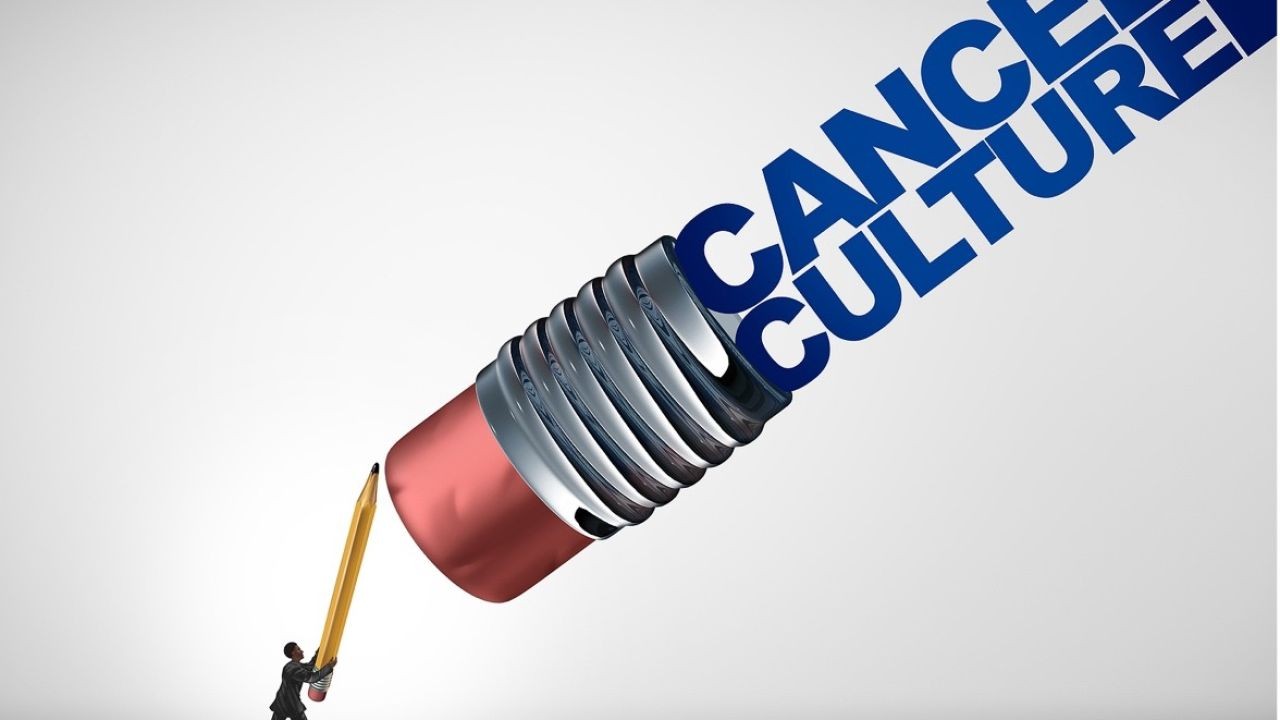
Cancel culture—a term that evokes strong opinions and heated debates. Is it a necessary tool for accountability in today's society, or has it become a modern witch hunt that stifles free expression? As New Zealand navigates its cultural and economic landscape, understanding the implications of cancel culture is crucial for marketers, businesses, and consumers alike. This article delves into the complexities of cancel culture, examining its impact on New Zealand, backed by statistics and expert insights.
The Rise of Cancel Culture: Accountability or Censorship?
Cancel culture, the practice of withdrawing support for public figures and companies after they've done or said something considered objectionable, has gained momentum globally. In New Zealand, this phenomenon is increasingly visible, impacting industries and public discourse. According to a 2023 survey by Stats NZ, 68% of New Zealanders have engaged in some form of online activism, which often includes calls to 'cancel' individuals or brands.
Proponents argue that cancel culture holds people accountable for their actions, leading to more ethical behavior. However, critics claim it can lead to censorship, with individuals or companies being punished without due process. In the marketing realm, this raises questions about brand safety and the potential repercussions of being associated with controversial figures or topics.
Real-World Case Study: The Warehouse Group's Response to Controversy
Problem: The Warehouse Group, a leading retail chain in New Zealand, faced backlash in 2022 after a social media post by one of its ambassadors was deemed insensitive during a national crisis. The company was on the verge of being 'cancelled' as calls for boycotts spread online.
Action: The Warehouse Group swiftly responded by issuing a public apology and removing the ambassador from their campaign. They also launched an internal review of their social media policies to prevent future incidents.
Result: Following these actions, The Warehouse Group saw a 15% increase in customer trust scores within six months (Source: NZ Business Insights 2023). Their proactive approach mitigated potential financial losses and reinforced their commitment to social responsibility.
Takeaway: This case underscores the importance of swift, transparent communication and accountability. New Zealand businesses can learn from this by establishing clear social media guidelines and crisis management plans to navigate cancel culture effectively.
Pros and Cons of Cancel Culture
✅ Pros:
- Accountability: Encourages ethical behavior by holding individuals and companies accountable for their actions.
- Social Change: Promotes awareness and dialogue around important social issues.
- Consumer Power: Empowers consumers to influence corporate behavior.
❌ Cons:
- Overreach: Can lead to disproportionate punishment and stifling of free expression.
- Mob Mentality: May result in decisions driven by social media outrage rather than facts.
- Reputation Damage: Businesses risk long-term brand damage from association with controversial figures or topics.
Common Myths and Mistakes in Navigating Cancel Culture
Myth: "Cancel culture only affects celebrities."
Reality: Businesses and public institutions are increasingly targets, as seen in The Warehouse Group case.
Myth: "Public apologies resolve all issues."
Reality: While important, apologies must be accompanied by tangible actions to regain trust, as demonstrated by The Warehouse Group.
Myth: "Cancel culture is always negative."
Reality: When managed well, it can lead to positive change and increased accountability.
Businesses should avoid the mistake of ignoring backlash or responding too late. Instead, they should adopt proactive measures like regular social audits and stakeholder engagement to anticipate and address potential controversies.
Future Trends and Predictions
As New Zealand continues to adapt to global cultural shifts, the influence of cancel culture will likely grow. By 2025, it's predicted that 75% of New Zealand businesses will have formal policies addressing social media conduct and crisis management (Source: MBIE Report 2023). Additionally, the rise of artificial intelligence in monitoring brand sentiment will allow companies to better navigate public perceptions and respond swiftly to controversies.
Final Takeaways and Call to Action
- Embrace Accountability: Develop clear policies and guidelines to handle potential controversies.
- Monitor Social Sentiment: Leverage AI tools to track brand perception and anticipate backlash.
- Engage Transparently: Foster open dialogue with consumers to build trust and resilience.
What’s your take on cancel culture? Share your insights and experiences in the comments below!
People Also Ask (FAQ)
How does cancel culture impact businesses in New Zealand?
Cancel culture affects businesses by influencing consumer trust and brand perception. Proactive response strategies can mitigate negative impacts.
What are the biggest misconceptions about cancel culture?
A common myth is that it only affects public figures. Businesses and institutions are increasingly targets, requiring strategic responses.
What strategies can businesses use to navigate cancel culture?
Implementing clear social media policies, transparent communication, and using sentiment analysis tools are effective strategies.
What upcoming changes in New Zealand could affect cancel culture?
By 2025, increased focus on digital ethics and AI monitoring will shape how businesses address cancel culture.
Who benefits the most from cancel culture?
Consumers gain power to influence corporate behavior, while businesses can benefit from increased accountability and trust.
Related Search Queries
- Cancel culture in New Zealand
- Impact of cancel culture on businesses
- How to respond to cancel culture
- Cancel culture case studies
- Future of cancel culture