






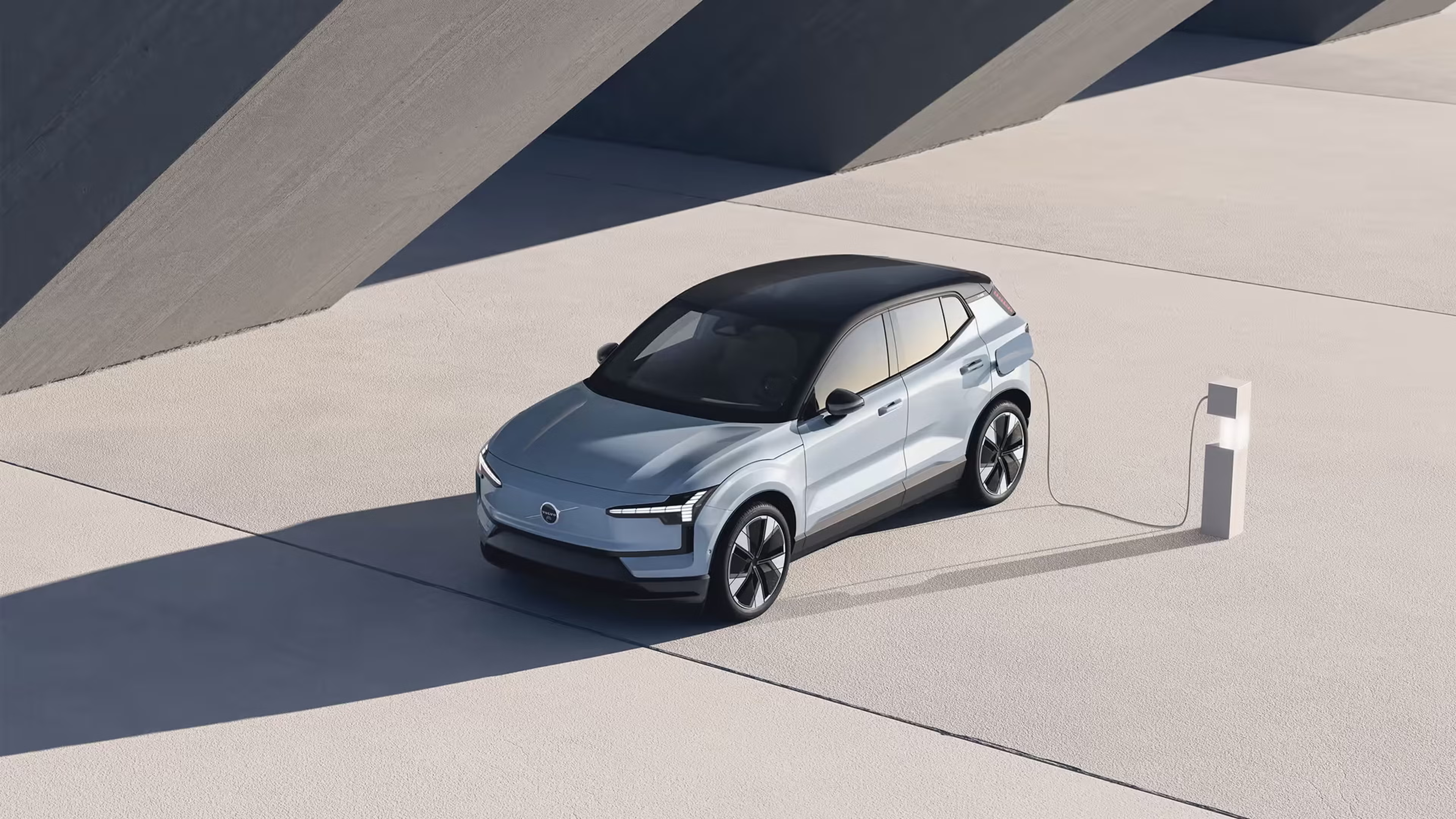
In recent years, the shift towards electric vehicles (EVs) has become a significant trend globally, driven by the urgent need to combat climate change and reduce reliance on fossil fuels. New Zealand, with its commitment to achieving carbon neutrality by 2050, has been at the forefront of this transition. This article explores the experiences of Kiwi families who have made the switch to electric vehicles, highlighting the benefits, challenges, and the broader impact on New Zealand's economy and environment.
Why Are New Zealand Families Switching to Electric Vehicles?
With the New Zealand government's Clean Car Discount scheme, which offers rebates for low-emission vehicles, many families are now considering EVs as a viable alternative to traditional petrol vehicles. According to the Ministry of Business, Innovation and Employment (MBIE), electric vehicle registrations surged by 45% in 2023, a testament to their growing popularity.
What Are the Benefits of Owning an Electric Vehicle?
- Cost Savings: EVs have lower running costs compared to petrol cars. With electricity prices in New Zealand being relatively stable, families can save significantly on fuel costs.
- Environmental Impact: EVs produce zero tailpipe emissions, contributing to cleaner air and reducing the carbon footprint.
- Government Incentives: The Clean Car Discount scheme provides financial incentives, making EVs more affordable.
Case Study: The Thompson Family's Electric Vehicle Journey
The Thompson family from Auckland decided to switch to an electric vehicle in 2022. Motivated by environmental concerns and the rising cost of petrol, they chose a Nissan Leaf, one of New Zealand's most popular EVs.
Problem:
The Thompsons faced high fuel costs and were concerned about their environmental impact. They also wanted to take advantage of government incentives before they decreased.
Action:
They researched various EV models and utilized the Clean Car Discount scheme to obtain a rebate. They also installed a home charging station, which allowed them to charge their vehicle overnight at off-peak rates.
Result:
- Fuel savings of approximately NZD 1,200 annually.
- Reduction in their carbon footprint by 2.4 tons annually.
- Positive feedback on the vehicle's performance and maintenance costs.
Takeaway:
The Thompson family's experience underscores the economic and environmental benefits of switching to an EV, encouraging other Kiwi families to consider similar moves.
What Are the Challenges of Electric Vehicle Adoption in New Zealand?
Despite the advantages, there are challenges associated with EV adoption:
- Infrastructure: While urban areas have adequate charging stations, rural regions still face accessibility issues.
- Initial Cost: Although rebates help, the upfront cost of EVs can be a barrier for some families.
- Range Anxiety: Concerns about battery life and range remain a consideration, although advancements are reducing these issues.
How Does the Shift to Electric Vehicles Impact New Zealand's Economy?
The transition to EVs is not only beneficial for the environment but also for the economy. According to Stats NZ, the rise in EV adoption could reduce New Zealand's fuel import bill by NZD 1 billion annually by 2030. This shift encourages local job creation in EV infrastructure development and maintenance.
Future Trends and Predictions
Looking ahead, New Zealand is expected to see continued growth in the EV market. By 2030, EVs could make up 40% of the new car market, driven by technological advancements and policy support. The Reserve Bank of New Zealand projects that this transition will contribute to economic growth and job creation, particularly in the renewable energy and technology sectors.
Conclusion
The shift to electric vehicles represents a significant opportunity for New Zealand to advance its environmental goals while fostering economic growth. As more families like the Thompsons transition to EVs, New Zealand can expect cleaner cities, reduced reliance on fossil fuels, and a more sustainable future. If you're considering making the switch, explore government incentives and take advantage of the growing EV infrastructure. Join the movement towards a greener New Zealand today!
People Also Ask (FAQ)
- How do electric vehicles benefit New Zealand's economy?EVs reduce the fuel import bill and create jobs in infrastructure and renewable energy sectors, boosting economic growth.
- What are common misconceptions about electric vehicles?Many believe EVs are not suitable for long distances, but advancements in battery technology have significantly improved their range.
- What are the best strategies for adopting electric vehicles?Utilizing government incentives, researching different models, and installing home charging stations are key strategies for a successful transition.
Related Search Queries
- Electric vehicle incentives in New Zealand
- Best electric cars for families in NZ
- Cost comparison between electric and petrol cars NZ
- How to install an EV charging station at home NZ
- Environmental impact of electric vehicles in NZ
For the full context and strategies on Video Case Studies of NZ Families Switching to Electric Vehicles, see our main guide: Motorsport Custom Community Videos Nz.