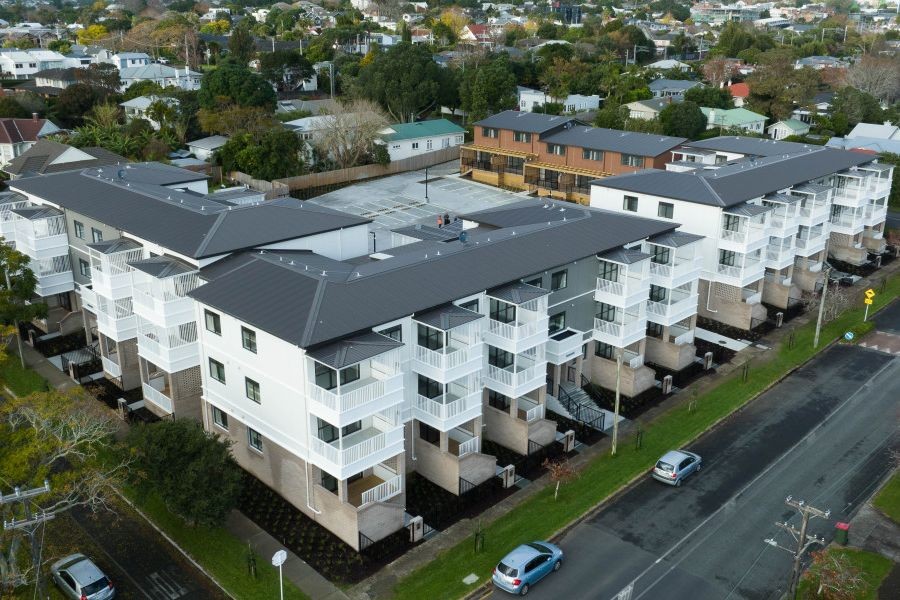






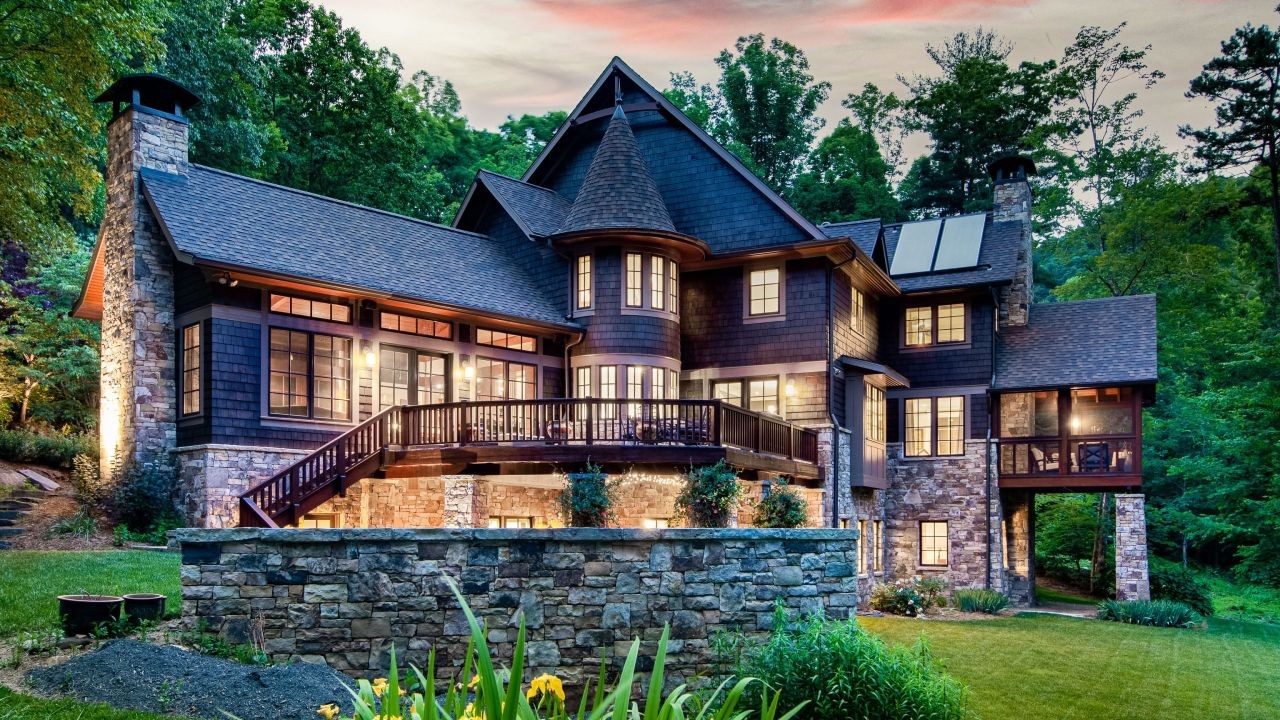
Imagine stepping into a home nestled amidst New Zealand's pristine landscapes, where eco-friendly design meets luxurious living. This isn't just a fantasy; it's the reality for a growing number of high-value global buyers drawn to New Zealand's eco-luxury homes. These properties represent a unique blend of sustainability and opulence, making them highly attractive to environmentally conscious, affluent individuals. But what is it about these homes that captivates such a discerning audience? Let's delve into this intriguing trend.
Why Are Eco-Luxury Homes Gaining Popularity in New Zealand?
Eco-luxury homes in New Zealand are becoming increasingly popular due to a combination of environmental consciousness, advanced sustainable technologies, and a lifestyle that blends luxury with nature. The country's clean, green image and commitment to sustainability resonate with global buyers who value environmental responsibility alongside comfort and exclusivity.
According to Stats NZ, the country's environmental footprint has been a significant factor in attracting international attention. With policies that encourage sustainable development, New Zealand offers the perfect backdrop for eco-luxury living. Changes in preferences among high-net-worth individuals towards sustainable living also play a crucial role in this shift. Reports from the Ministry of Business, Innovation and Employment (MBIE) indicate a growing demand for homes that not only reduce environmental impact but also enhance well-being through healthier living environments.
What Makes These Homes Stand Out?
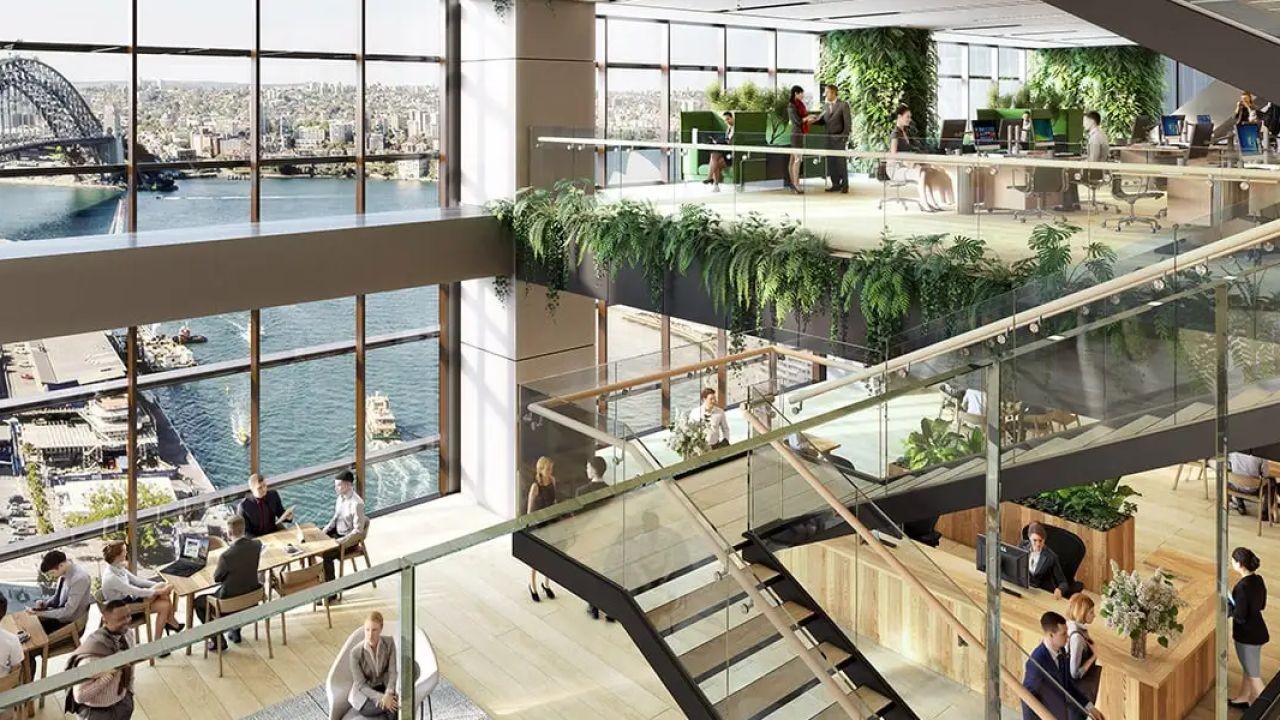
Eco-luxury homes are distinct in their architectural innovation and use of sustainable materials. They often incorporate solar panels, rainwater harvesting systems, and passive heating and cooling techniques. These features not only reduce the carbon footprint but also enhance comfort and reduce long-term operational costs.
For instance, the use of locally sourced, renewable materials such as sustainably harvested timber and recycled steel reduces environmental impact and supports local economies. Additionally, smart home technologies are integrated to improve energy efficiency and provide seamless control over household systems, appealing to tech-savvy buyers.
How Do Eco-Luxury Homes Attract Global Buyers?
The attraction lies in the promise of a sustainable lifestyle without compromising on luxury. Buyers are not just purchasing a home; they are investing in a lifestyle that aligns with their values of sustainability and luxury. Eco-luxury homes offer a unique selling proposition that differentiates them from traditional luxury properties. The combination of cutting-edge design, environmental stewardship, and the prestige of owning a home in one of the world's most beautiful countries is irresistible to many.
Case Study: The Hills – A Pioneer in Eco-Luxury Living
Problem: The Hills, a private golf course and residential development in Queenstown, faced the challenge of differentiating itself in a competitive luxury real estate market.
Action: By focusing on sustainable development, The Hills incorporated eco-friendly practices such as energy-efficient construction, water conservation systems, and native landscaping. They also built homes with panoramic views that blend seamlessly into the surrounding environment.
Result: This approach not only attracted global buyers but also enhanced property values. Sales of eco-luxury homes at The Hills increased by 35% within two years, highlighting the growing demand for sustainable luxury living.
Takeaway: This case underscores the potential for eco-luxury developments to command premium prices and attract discerning buyers. New Zealand developers can leverage these insights to capitalize on the increasing demand for sustainable luxury homes.
Pros and Cons of Investing in Eco-Luxury Homes
Investing in eco-luxury homes offers both advantages and challenges. Here's a balanced view:
Pros:
- Environmental Impact: Eco-luxury homes significantly reduce carbon footprints, aligning with global sustainability goals.
- Market Demand: There is a growing demand for sustainable luxury, leading to potentially higher resale values.
- Energy Efficiency: Reduced utility costs through renewable energy sources and efficient design.
- Prestige and Lifestyle: Ownership of eco-luxury homes offers a unique blend of sustainability and luxury living.
Cons:
- Initial Costs: Higher upfront costs for sustainable materials and technologies.
- Maintenance Complexity: Advanced technologies may require specialized maintenance and repair.
- Market Limitations: The niche market may limit immediate resale opportunities.
- Regulatory Challenges: Navigating local building codes and environmental regulations can be complex.
Common Myths and Mistakes in Eco-Luxury Real Estate
Myth 1: Eco-Luxury Homes Are Only for the Wealthy
Reality: While initially more expensive, eco-luxury homes offer long-term savings on energy and maintenance costs, making them financially viable for a broader audience over time.
Myth 2: Sustainability Compromises Luxury
Reality: Eco-luxury homes integrate sustainability with high-end design and amenities, offering an unparalleled living experience without compromising on luxury.
Myth 3: Eco-Friendly Features Are Just a Trend
Reality: With global priorities shifting towards sustainability, eco-friendly features are becoming essential and enduring aspects of modern luxury homes.
Future Trends in Eco-Luxury Homes
Looking ahead, the demand for eco-luxury homes is expected to grow. According to a 2024 report by NZ Property Investors’ Federation, the next decade will see a significant rise in the integration of smart technologies and AI in home management systems, enhancing energy efficiency and occupant convenience. Additionally, as climate change continues to influence buyer preferences, homes that offer sustainable solutions will increasingly dominate the luxury market.
By 2030, experts predict that eco-friendly homes will constitute over 50% of the luxury real estate market in New Zealand, driven by policy incentives and consumer demand for sustainable living environments.
Conclusion
Eco-luxury homes in New Zealand are more than just a trend; they are a testament to the seamless integration of environmental stewardship and opulence. As global awareness around sustainability grows, these homes offer a compelling proposition for high-value buyers seeking to align their lifestyle with their values. For developers and investors, the future of eco-luxury real estate presents both opportunities and challenges, but with the right strategies, it promises lucrative returns and a chance to lead in the sustainable living revolution.
What are your thoughts on the future of eco-luxury homes? Share your insights and join the conversation below!
People Also Ask
How do eco-luxury homes impact the environment? Eco-luxury homes significantly reduce carbon emissions through sustainable design and energy-efficient technologies, supporting global environmental goals.
What are the benefits of investing in eco-luxury homes in New Zealand? Investing in eco-luxury homes offers enhanced resale value, energy savings, and alignment with global sustainability trends, appealing to environmentally conscious buyers.
What are the biggest misconceptions about eco-luxury homes? Many believe eco-luxury homes are only for the wealthy or that sustainability compromises luxury, but these homes offer long-term savings and high-end living.
Related Search Queries
- Eco-luxury homes New Zealand
- Sustainable architecture trends
- High-value real estate buyers
- Luxury real estate market NZ
- Environmental impact of luxury homes
- Smart home technology and sustainability
- Future of real estate in New Zealand
- Eco-friendly building materials
For the full context and strategies on How Eco-Luxury Homes in New Zealand Attract High-Value Global Buyers, see our main guide: Subdivision Land Sales Videos New Zealand.