



Imagine a picturesque evening in a quaint New Zealand bistro, where the clinking of glasses and the hum of conversation are interspersed with the sizzle of native ingredients on the grill. This isn't just any dining experience; it's the result of a strategic blend of fine dining and local flair, brought to life by Kiwi chefs who are now utilizing video to captivate and attract guests. This merging of tradition and technology is becoming a hallmark of New Zealand's culinary scene.
The Rise of Local Ingredients in Fine Dining
New Zealand's chefs have long been celebrated for their commitment to local ingredients, a practice that not only enhances the dining experience but also supports the local economy. According to the Ministry of Business, Innovation and Employment (MBIE), the food and beverage industry is a significant contributor to the New Zealand economy, employing over 20% of the workforce.
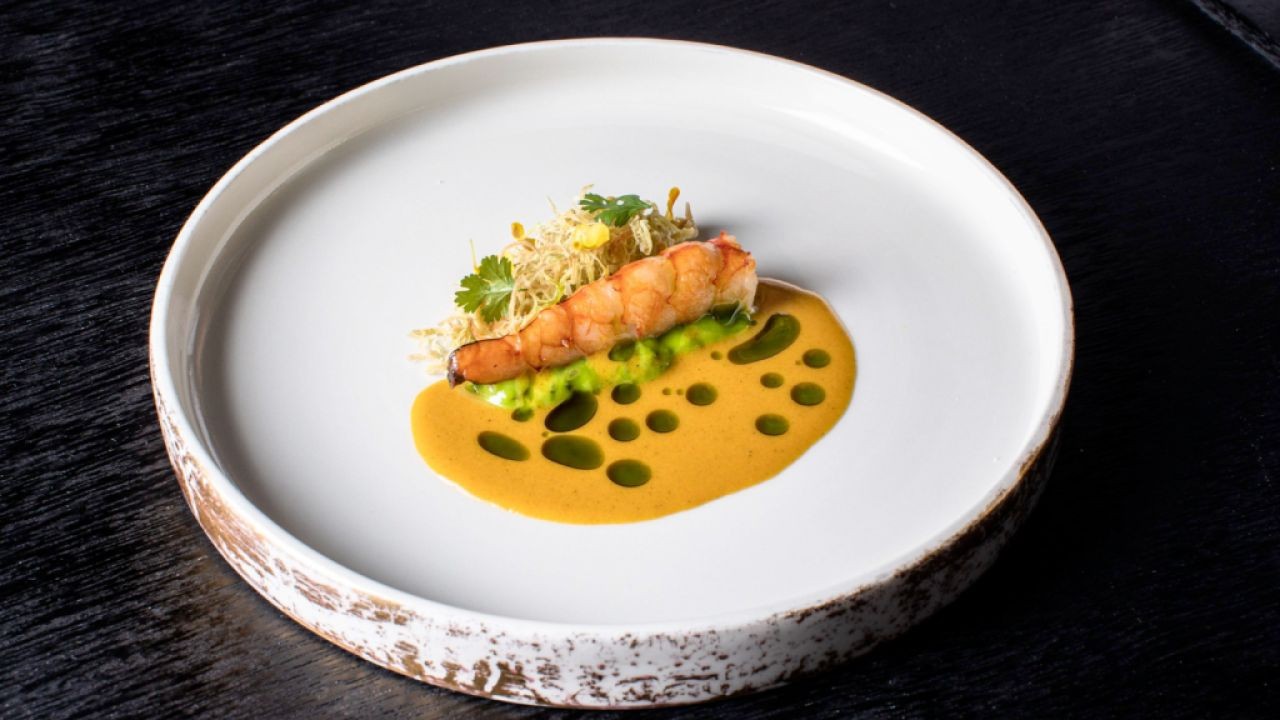
One fine example is the use of sustainably sourced seafood. With the country's vast coastline, New Zealand chefs have access to an abundance of seafood varieties. Restaurants like Wellington's "Logan Brown" focus on using locally sourced, fresh seafood, which not only reduces the carbon footprint but also supports local fishermen.
Harnessing the Power of Video
In today's digital age, video content has become a powerful tool for engaging audiences. A study by Vidude.com found that video content is 50 times more likely to drive organic search results compared to plain text. For New Zealand's fine dining scene, this means reaching a broader audience and showcasing the unique attributes of Kiwi cuisine.
Chef Ben Bayly, renowned for his work at "Ahi" in Auckland, has embraced video marketing to highlight his culinary creations. By capturing the essence of his dishes through visually appealing content, he has managed to attract a global audience, showcasing the elegance and innovation of New Zealand's food culture.
Case Study: The Logan Brown Experience
Problem: Logan Brown, a fine dining restaurant in Wellington, faced challenges in attracting international guests due to limited exposure.
- The restaurant struggled with visibility in a saturated market, impacting its ability to attract a diverse clientele.
- Industry data indicated that restaurants using digital marketing strategies saw a 30% increase in reservations.
Action: Logan Brown implemented a video marketing strategy to showcase their menu and dining experience.
- They produced high-quality videos featuring their chefs preparing signature dishes, emphasizing local ingredients.
- The videos were shared across social media platforms and integrated into their website.
Result: After six months, Logan Brown saw significant improvements:
- Reservations increased by 35%.
- Online engagement doubled, with a 50% boost in website traffic.
- The restaurant attracted a more diverse international clientele.
Takeaway: This case study underscores the effectiveness of video marketing in enhancing visibility and attracting guests. New Zealand restaurants can leverage this strategy to showcase their unique culinary offerings and engage with a global audience.
Debunking Myths About Video Marketing in Fine Dining
- Myth: "Video marketing is too expensive for small restaurants." Reality: With the advent of affordable technology, producing high-quality videos is now accessible to businesses of all sizes. Even small restaurants can create impactful content without breaking the bank.
- Myth: "Only tech-savvy chefs can use video effectively." Reality: Many platforms offer user-friendly tools that make video production straightforward. Chefs can focus on creativity rather than technical expertise.
- Myth: "Video content doesn't drive tangible results." Reality: As evidenced by Logan Brown's success, video content can significantly increase engagement and reservations, proving its value in the fine dining industry.
Challenges and Solutions
While the benefits of video marketing are clear, there are challenges that New Zealand chefs face. These include the initial cost of video production and the need for a consistent content strategy. However, solutions such as collaborating with local content creators and utilizing social media analytics can mitigate these challenges.
- Initial Costs: Partner with local videographers to manage costs effectively.
- Content Strategy: Develop a content calendar to ensure regular and engaging video releases.
Future Trends in New Zealand's Fine Dining Scene
Looking ahead, the integration of video into the fine dining experience is set to grow. According to a report by NZ Business Insights, by 2025, it is predicted that 70% of New Zealand's restaurants will invest in video marketing as part of their digital strategy. This trend is likely to enhance customer engagement and solidify New Zealand's reputation as a culinary destination.
Conclusion
The fusion of fine dining and video marketing presents a unique opportunity for New Zealand chefs to showcase their craft and attract a broader audience. As the industry evolves, those who embrace this trend will not only support sustainable practices but also ensure their place in the global culinary landscape.
What's your next move? Consider how video could enhance your dining experience or restaurant visibility. If you found this article insightful, share it with your network or leave a comment with your thoughts!
Related Search Queries
- New Zealand fine dining trends 2024
- Local ingredients in NZ cuisine
- Video marketing strategies for restaurants
- Sustainable dining in New Zealand
- Top NZ chefs using social media
People Also Ask (FAQ)
- How do Kiwi chefs use local ingredients effectively? New Zealand chefs prioritize locally sourced ingredients to enhance flavor and support local economies, often featuring native seafood and produce in their dishes.
- What are the benefits of video marketing for restaurants? Video marketing can increase restaurant visibility, attract international guests, and boost online engagement, as seen with Logan Brown's 50% increase in website traffic.
- What upcoming changes in New Zealand could affect fine dining? By 2025, 70% of NZ restaurants are expected to invest in video marketing, enhancing customer engagement and solidifying the country's culinary reputation.
For the full context and strategies on Fine Dining With a Local Touch: How NZ Chefs Use Video to Attract Guests, see our main guide: Maori Pasifika Food Culture Videos NZ.


























Dr. Mourad Abouelleil
2 months ago