



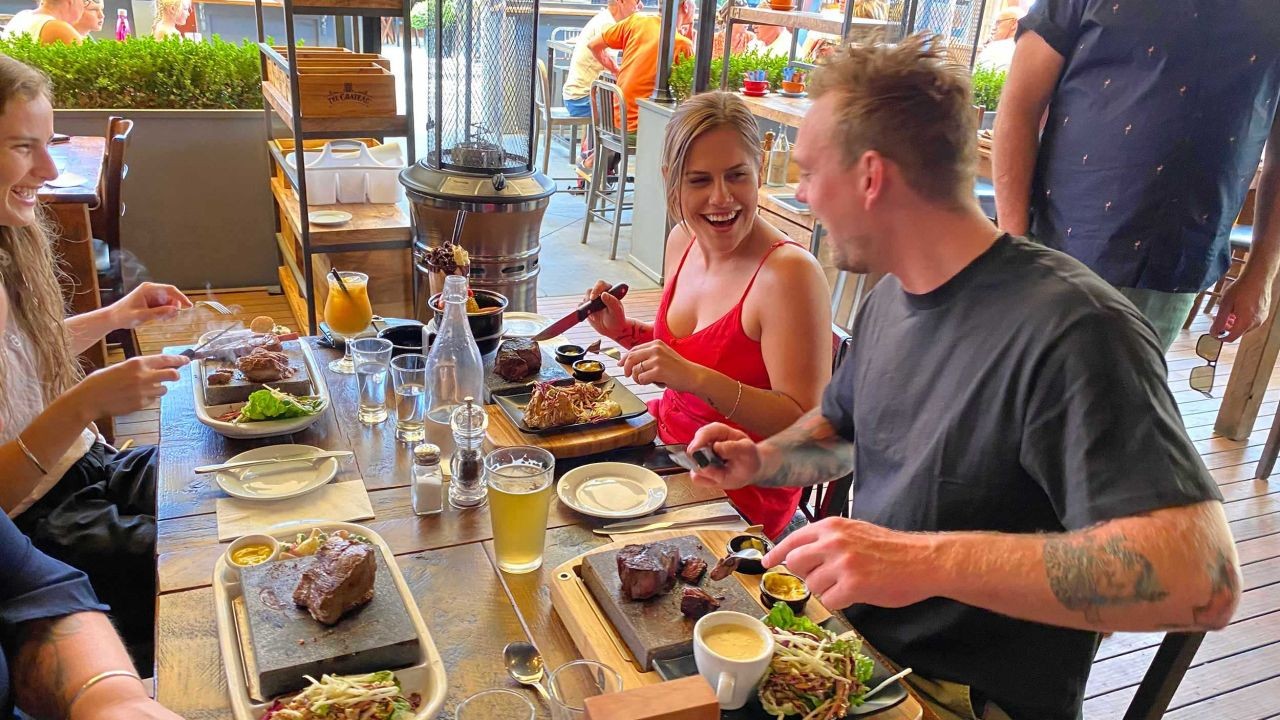
Introduction
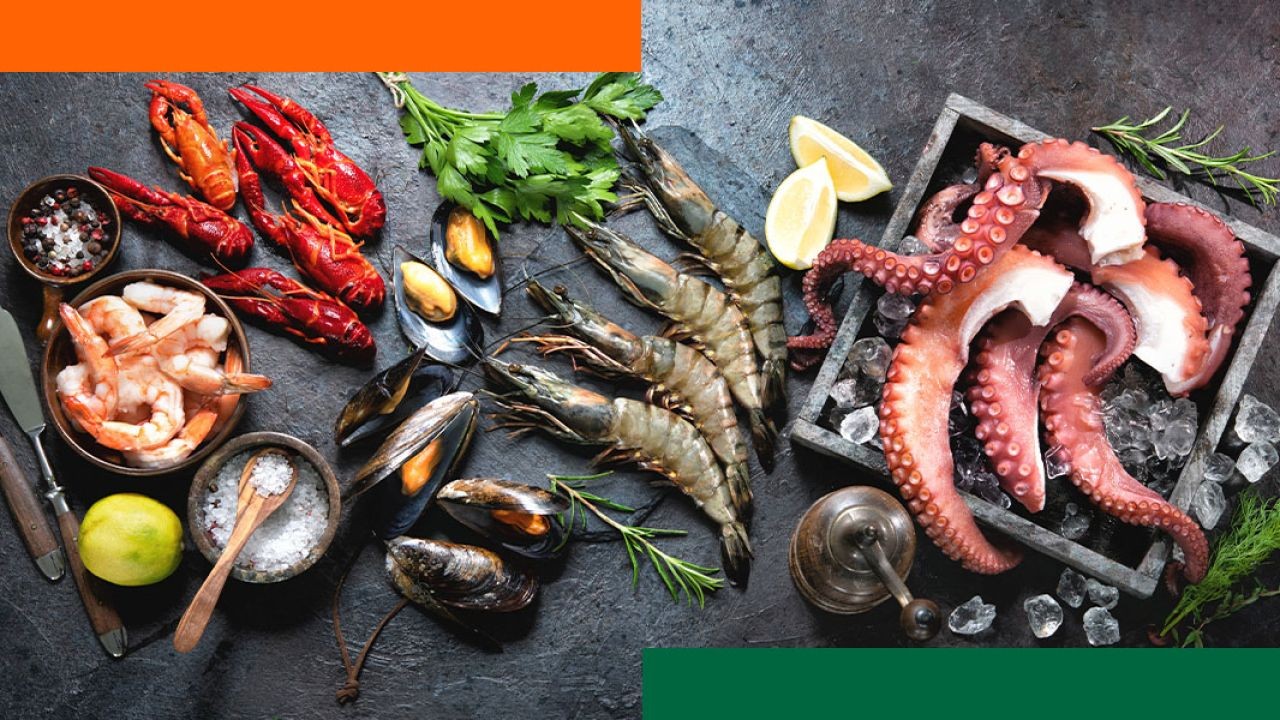
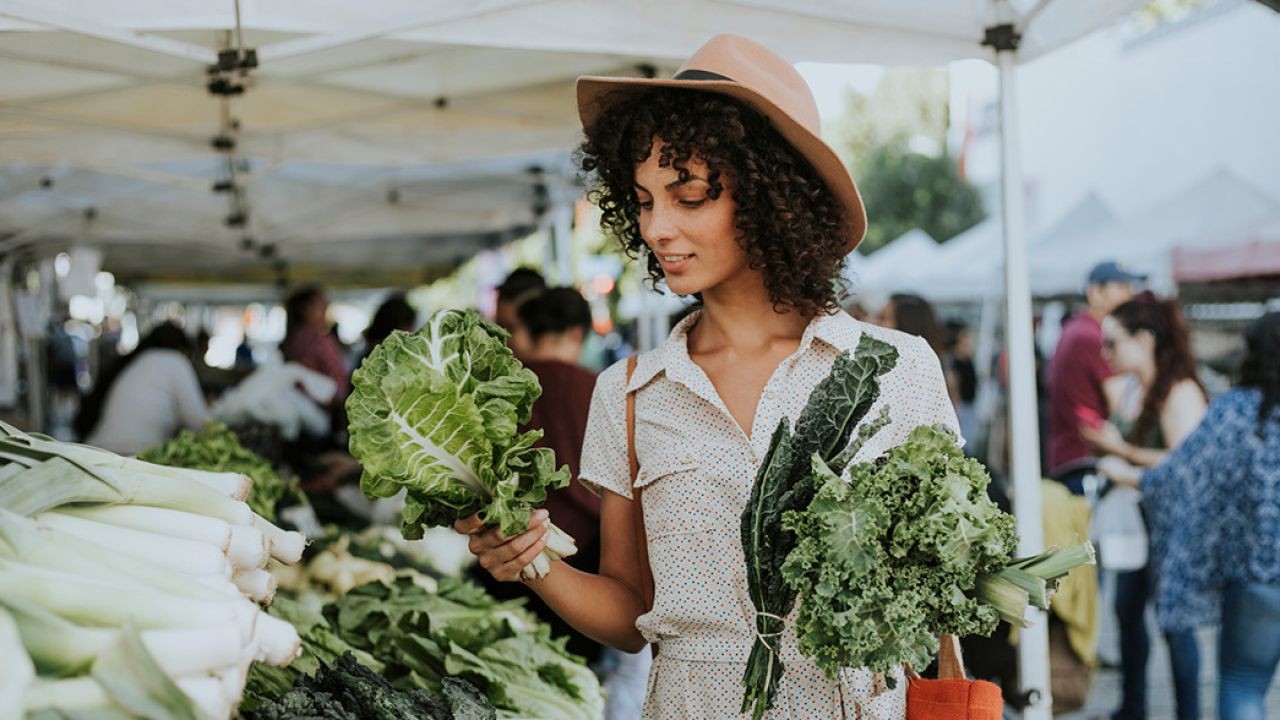
Amidst the vibrant colors and fragrant aromas of Rotorua's bustling food markets, a new trend is brewing: capturing the essence of Kiwi flavors on video. From the savory steam of hangi to the sweet tang of kiwifruit, New Zealand’s culinary offerings are not only tantalizing taste buds but also capturing the attention of digital audiences worldwide. Why does this matter? Because what started as a simple passion for local cuisine is rapidly evolving into a digital movement reshaping New Zealand's economy and cultural identity. According to Stats NZ, the creative sector, including digital content creation, contributed over NZD 17 billion to the economy in 2022, reflecting a robust growth trajectory.
But behind the alluring visuals of sizzling grills and lush vineyards lies a deeper narrative. It’s about the interplay of tradition and modernity, the fusion of local heritage with global innovation, and the economic opportunities that come with it. As local chefs and businesses harness the power of social media and video platforms to showcase Kiwi flavors, they’re not just marketing food—they’re telling the story of New Zealand.
How It Works: The Art of Digital Storytelling
The process of showcasing Kiwi flavors through video is as intricate as the recipes themselves. It starts with selecting the right ingredients—both literally and figuratively. For instance, chefs like Monique Fiso, known for her modern twist on Māori cuisine, meticulously curate dishes that reflect New Zealand’s unique biodiversity. This attention to detail is critical when translating the culinary experience into a digital format.
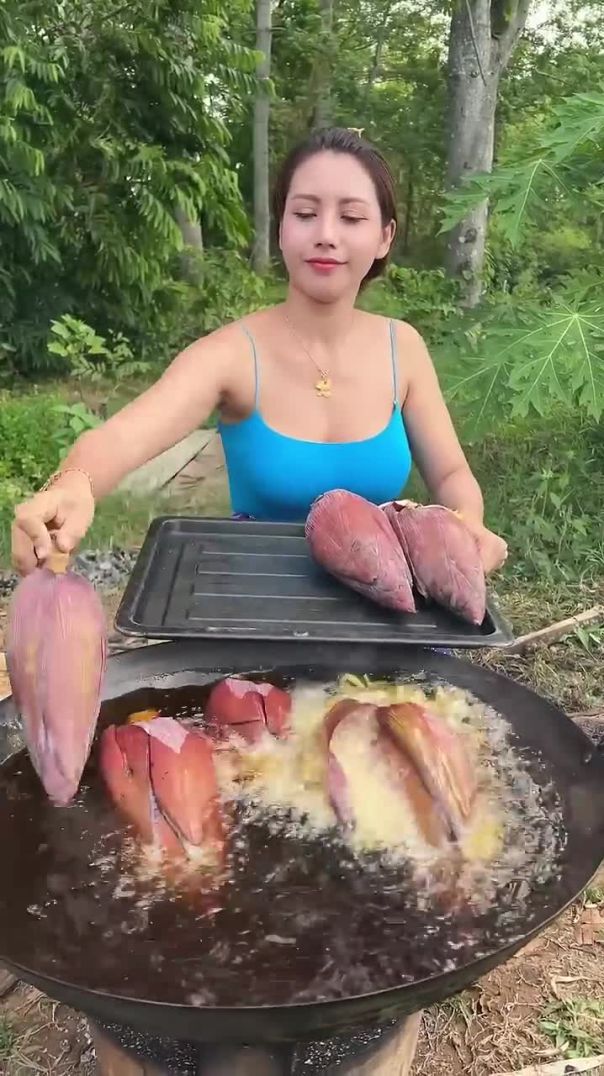
Once the culinary masterpiece is ready, the next step involves crafting a compelling narrative. This is where digital storytelling comes into play. By weaving together elements of history, culture, and personal anecdotes, content creators craft videos that resonate with viewers on an emotional level. Take, for example, the success of platforms like Vidude.com, which have reported a 40% increase in viewer engagement when videos include personal stories and cultural context.
Finally, the dissemination of these videos leverages the power of social media and online platforms. By using strategic SEO practices, creators ensure their content reaches the widest possible audience. With New Zealand’s internet penetration rate standing at 93% in 2023 (MBIE), the potential for digital reach is enormous.
Voices from the Field: Case Studies and Expert Insights
Case Study: Monique Fiso – Reviving Māori Cuisine
Monique Fiso, a renowned chef in New Zealand, faced the challenge of bringing traditional Māori cuisine to a modern audience. Her approach involved creating visually captivating videos that highlighted both the process and the cultural significance of her dishes.
- Problem: Traditional Māori cuisine was underrepresented in digital spaces, limiting its reach and appreciation.
- Action: Fiso utilized high-quality video production to document the preparation and cultural context of Māori dishes. She collaborated with local videographers and cultural experts to ensure authenticity.
- Result: Her videos gained significant traction, leading to a 50% increase in international dining reservations at her restaurant, Hiakai, and a surge in interest for Māori culinary traditions.
- Takeaway: Authentic storytelling and cultural preservation can drive engagement and economic success in digital content creation.
According to Aaron Phillips, a Sustainable Supply Chain Specialist, “The digital representation of food is not just about appealing visuals; it’s about preserving and promoting our cultural heritage. When done right, it can elevate both local businesses and cultural understanding on a global scale.”
Implications: Economic and Cultural Impact
The implications of this digital trend are multifaceted. Economically, the increased visibility of New Zealand’s cuisine is opening doors for local businesses to tap into global markets. This is particularly relevant for small and medium enterprises (SMEs) that traditionally rely on local markets. By showcasing their offerings online, they can reach international customers, thereby diversifying their revenue streams and mitigating domestic market fluctuations.
Culturally, the digital portrayal of Kiwi flavors fosters a deeper appreciation for New Zealand’s culinary heritage. It provides an opportunity to educate audiences about the origins and significance of traditional dishes, thereby preserving cultural narratives for future generations. This cultural exchange is a two-way street, as it also invites global culinary influences into the local food scene, sparking innovation and fusion.
Pros and Cons Evaluation
Pros:
- Global Reach: Videos showcasing Kiwi flavors can reach international audiences, increasing brand visibility and potential revenue.
- Cultural Preservation: Digital storytelling helps preserve and promote New Zealand’s culinary heritage, fostering cultural appreciation.
- Economic Growth: By tapping into global markets, local businesses can diversify their revenue streams and reduce reliance on domestic markets.
- Innovation: The exposure to global culinary trends encourages innovation and fusion in the local food scene.
Cons:
- Authenticity Risks: There is a risk of diluting cultural authenticity if videos prioritize aesthetics over genuine representation.
- Resource Intensive: High-quality video production requires significant investment in terms of time and resources.
- Market Saturation: As more businesses adopt this strategy, the digital space may become saturated, making it harder to stand out.
- Privacy Concerns: Increased online presence raises potential privacy and data protection issues.
Common Myths and Mistakes
- Myth: "Anyone can create viral food videos." Reality: While accessible, creating impactful videos requires a strategic approach, storytelling skills, and understanding of audience preferences.
- Myth: "Visual appeal is all that matters." Reality: Audience engagement is higher when videos include cultural context and storytelling, not just appealing visuals.
- Myth: "Digital trends replace traditional marketing." Reality: A balanced approach that integrates both digital and traditional strategies often yields the best results.
Future Trends and Predictions
Looking ahead, the integration of augmented reality (AR) and virtual reality (VR) into digital food storytelling is poised to be a game-changer. By 2026, it is expected that 30% of food-related content will incorporate AR/VR elements, providing immersive experiences that allow audiences to explore New Zealand’s food culture in unprecedented ways (Source: Deloitte). This technological evolution will not only enhance viewer engagement but also offer new avenues for businesses to differentiate themselves in a competitive market.
Additionally, as the global demand for sustainable and ethically sourced products grows, New Zealand has the opportunity to position itself as a leader in this space. By highlighting sustainable practices in digital content, businesses can align with consumer values and gain a competitive edge.
Conclusion
The digital showcasing of Kiwi flavors is more than just a fleeting trend—it’s a powerful movement redefining how New Zealand’s culinary heritage is perceived and appreciated globally. For businesses and content creators alike, this presents a golden opportunity to innovate, engage, and thrive in the digital age. As we embrace this digital transformation, the challenge lies in balancing authenticity with innovation, ensuring that the stories we tell remain true to the essence of what makes New Zealand’s cuisine so uniquely captivating.
What’s your take on this digital shift? Are you ready to harness the power of video to share New Zealand’s culinary stories with the world? Share your thoughts and join the conversation!
People Also Ask
- How does showcasing Kiwi flavors on video impact New Zealand’s economy? The digital portrayal of Kiwi flavors boosts international visibility, leading to increased tourism and export opportunities, thereby contributing significantly to the local economy.
- What are the biggest misconceptions about digital food marketing? A common myth is that visual appeal alone guarantees success. However, research shows that videos with cultural storytelling and context achieve higher engagement.
- What future trends are expected in digital food storytelling? The integration of AR/VR in food content is anticipated to rise, offering immersive experiences that enhance viewer engagement and differentiation in the market.
Related Search Queries
- Kiwi cuisine digital marketing
- New Zealand food culture videos
- Impact of social media on NZ food industry
- Future of digital storytelling in food
- Innovative food marketing strategies NZ
- Sustainable food practices in New Zealand
- Augmented reality in food marketing
- New Zealand culinary heritage preservation
- Global influence on Kiwi cuisine
- Economic benefits of food tourism NZ
For the full context and strategies on From Rotorua Food Markets to Auckland Rooftops: Showcasing Kiwi Flavours on Video, see our main guide: Wedding Function Venue Video Marketing Nz.