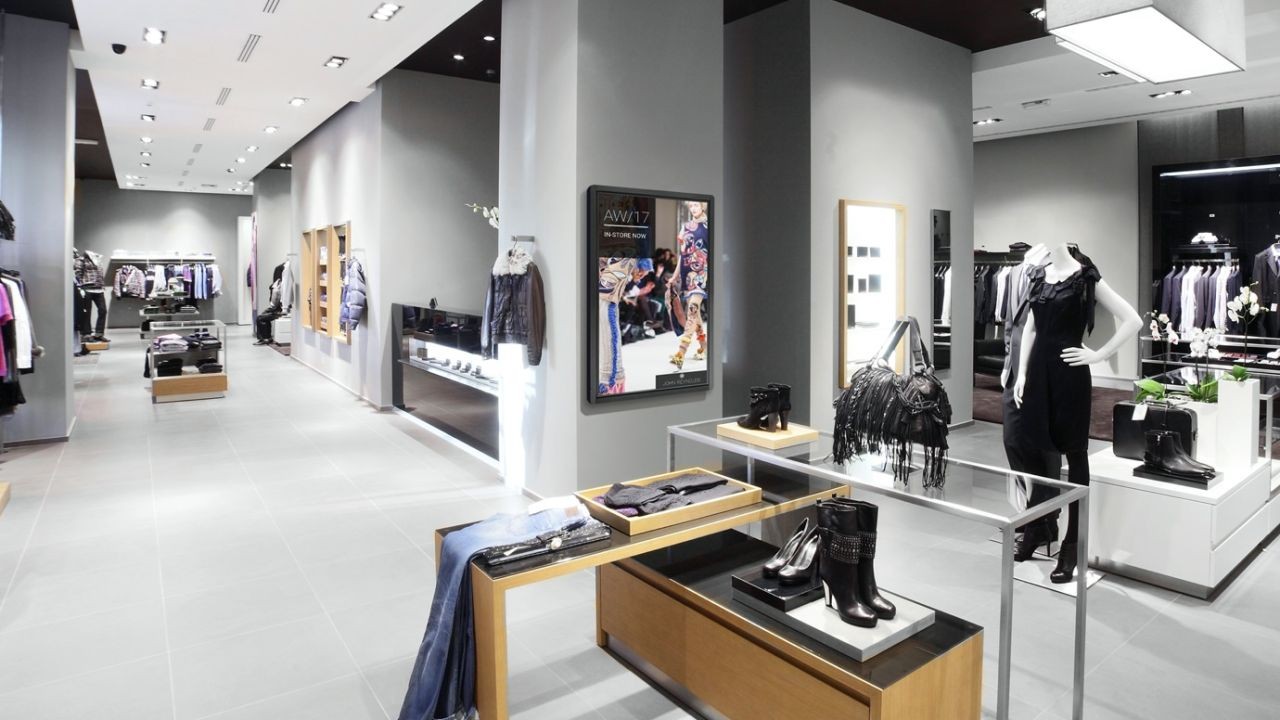






In the evolving retail landscape, Kiwi retailers are increasingly turning to video platform content to drive sales and engage consumers. This trend, fueled by a combination of changing consumer behaviors and technological advancements, is particularly significant for New Zealand—a nation with a vibrant digital market. In this article, we will explore why video content is becoming a critical tool for retail success, analyze the local economic context, and provide insights into maximizing this trend for sustainable growth.
Why Are Kiwi Retailers Embracing Video Content?
Video content has proven to be a powerful medium for storytelling and engagement. According to a report by Stats NZ, the number of New Zealanders consuming digital video content has increased by 22% over the past three years. This trend aligns with global patterns where video consumption is expected to constitute 82% of all internet traffic by 2025 (Cisco Visual Networking Index).
Enhanced Consumer Engagement: Videos capture attention more effectively than text or static images. They enable retailers to demonstrate products in action, provide tutorials, and share customer testimonials, leading to higher engagement and conversion rates.
Local Relevance: In New Zealand, local brands leverage platforms like YouTube and Vidude.com to reach audiences with culturally relevant content, enhancing brand loyalty and community connection.
How Does This Trend Impact New Zealand’s Economy?
The rise of video content in retail is not just a passing trend; it is reshaping the economic landscape. Video marketing contributes significantly to the digital economy, fostering job creation in content production, marketing, and analytics.
According to the Ministry of Business, Innovation and Employment (MBIE), the e-commerce sector's growth is expected to boost GDP by NZD 2.7 billion by 2025. Retailers investing in video marketing are poised to tap into this growth, driving innovation and competitiveness.
Case Study: The Warehouse Group’s Digital Transformation
Problem: The Warehouse Group, a leading retail chain in New Zealand, faced challenges in engaging younger audiences and differentiating itself in a competitive market.
Action: The company adopted a comprehensive video content strategy, utilizing platforms like YouTube and Instagram to showcase products, share behind-the-scenes content, and engage with audiences interactively.
Result: Over 12 months, The Warehouse Group reported a 30% increase in online sales and a 15% increase in foot traffic to physical stores. Customer feedback highlighted the engaging nature of their video content as a key factor in purchasing decisions.
Takeaway: This case underscores the importance of integrating video into retail strategies, demonstrating that engaging content can drive both online and offline sales.
What Are the Pros and Cons of Using Video Content?
Pros:
- Increased Engagement: Videos foster higher engagement rates and longer dwell times on websites.
- Brand Awareness: Visual content aids in building a strong brand identity.
- SEO Benefits: Search engines favor websites with rich media content, improving visibility.
Cons:
- Production Costs: Creating high-quality video content requires investment in production and editing.
- Resource Intensive: Developing consistent video content can be time-consuming and resource-heavy.
- Technical Challenges: Ensuring compatibility across devices and platforms can pose challenges.
Debate: Is Video Content Sustainable for Retailers?
While video content offers many benefits, it also raises questions about sustainability. Critics argue that the high resource demands and potential waste from digital production and data storage can offset environmental gains. However, advocates highlight that digital platforms reduce the need for physical promotional materials, contributing to a lower carbon footprint.
Middle Ground: Retailers can adopt eco-friendly practices in video production by using renewable energy sources, optimizing data storage, and recycling digital content.
Future Trends and Predictions
Looking ahead, the integration of AI and AR in video content promises to revolutionize retail experiences. By 2028, it is anticipated that 50% of New Zealand retailers will employ AI-driven video strategies to personalize consumer interactions (Deloitte Report 2024). This development will not only enhance customer engagement but also streamline operations, offering a competitive edge.
Conclusion
Video content is not merely a trend; it is a transformative force in the retail sector. For New Zealand retailers, embracing this medium promises to enhance consumer engagement, drive sales, and position businesses for sustainable growth. As we move towards a more digital future, the ability to create compelling video content will be a key differentiator.
What’s your take on the future of video content in retail? Share your insights below!
People Also Ask
- How does video content impact Kiwi retailers? Video content boosts engagement and sales, with retailers like The Warehouse Group seeing a 30% increase in online sales.
- What are the misconceptions about video marketing? A common myth is that video marketing is prohibitively expensive. However, strategic investments in quality content can yield significant ROI.
- What future changes in New Zealand could affect video marketing? By 2026, advances in AI and AR are expected to enhance video marketing strategies, offering more personalized and immersive experiences.
Related Search Queries
- Video marketing strategies for retailers
- Benefits of video content in retail
- Sustainable video production practices
- Future of e-commerce in New Zealand
- AI and AR in retail marketing
For the full context and strategies on Why Kiwi Retailers Are Increasing Sales Through New Zealand Video Platform Content, see our main guide: New Zealand Video Platform.