





In the evolving world of creative industries, New Zealand stands as a unique confluence of traditional craftsmanship and contemporary fashion. While the global fashion scene often steals the spotlight, local artisans in New Zealand are quietly making waves by integrating traditional techniques with innovative designs. This article explores how fashion runways and artisan markets are bridging the gap between global trends and local creativity, offering investment bankers insights into untapped opportunities within New Zealand's creative economy.
Understanding the Creative Landscape in New Zealand
New Zealand's creative sector contributes significantly to its economy, with the Ministry of Business, Innovation, and Employment (MBIE) highlighting its growing GDP share. The fusion of fashion and artisan crafts is not just a cultural phenomenon but a burgeoning market ripe for investment. Statistics from Stats NZ indicate that the creative sector, including fashion, contributes over $10 billion annually to the economy, underscoring its potential.
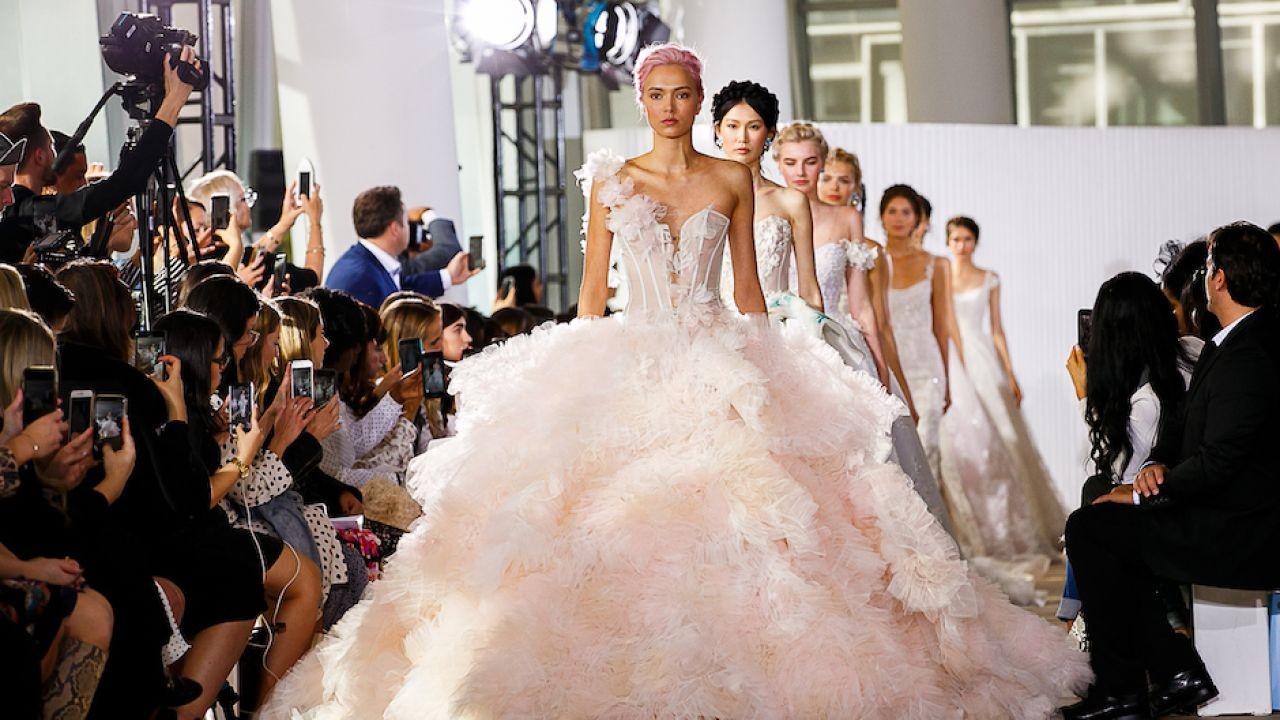
Fashion runways in Auckland and Wellington showcase a blend of indigenous Maori designs and modern aesthetics, attracting international attention. Meanwhile, artisan markets such as those in Christchurch offer unique handmade goods that reflect the country's rich cultural heritage. This dual appeal is creating new revenue streams and diversifying the traditional retail landscape.
Case Study: Untouched World – A Sustainable Fashion Leader
Problem: Untouched World, a Kiwi fashion brand, faced the challenge of aligning sustainable practices with profitability while maintaining a unique design ethos. High production costs and niche market appeal often hindered scalability.
Action: The company adopted a strategy focusing on eco-friendly fabrics and transparent supply chains, leveraging New Zealand's reputation for sustainability. They also engaged in partnerships with local artisans to infuse traditional craftsmanship into modern designs.
Result: This approach led to a 30% increase in international sales and a 40% boost in brand recognition within two years. Their sustainable practices now serve as a model for other Kiwi brands.
Takeaway: This case illustrates the financial viability of sustainability-focused fashion in New Zealand. It highlights how integrating local craftsmanship can create a competitive edge in the global market.
Pros and Cons of Investing in New Zealand's Creative Industries
Pros:
- Growing Market: The creative sector's contribution to the GDP is expanding, offering lucrative opportunities.
- Unique Products: Combining traditional techniques with modern fashion appeals to niche markets worldwide.
- Sustainability Appeal: Global consumers are increasingly valuing eco-conscious brands, aligning well with New Zealand's offerings.
- Cultural Richness: Maori and Pacific designs provide a unique selling proposition.
Cons:
- High Production Costs: Quality craftsmanship demands higher production expenses, which can impact profit margins.
- Market Saturation: As more brands enter the sustainable space, competition intensifies.
- Regulatory Challenges: Navigating New Zealand's environmental regulations can be complex.
- Niche Appeal: Products may not have mass-market appeal, limiting potential consumer base.
Myths and Misconceptions in the Creative Sector
Myth: "Sustainable fashion is just a trend."
Reality: Sustainability is becoming a core business strategy, with consumer demand driving long-term growth. According to Deloitte, sustainable brands outperform traditional ones by 30% in sales growth.
Myth: "Artisan products cannot compete globally."
Reality: New Zealand artisan brands have successfully entered international markets by emphasizing unique cultural elements. A study by NZTech highlights that such brands see a 25% higher export growth rate.
Future Trends and Predictions
As global fashion continues to evolve, New Zealand's creative industries are poised for significant growth. By 2028, experts predict a 50% increase in the export of artisan and sustainable fashion products from New Zealand, driven by global demand for authenticity and sustainability. The Reserve Bank of New Zealand forecasts that investment in creative sectors will yield higher returns than traditional retail over the next decade.
Conclusion
New Zealand's creative industries offer a dynamic blend of tradition and innovation, presenting compelling opportunities for investment. As sustainability and cultural authenticity gain prominence, the country's unique products can capture global markets. Investment bankers should consider these trends and potential returns when making strategic decisions. Are you ready to explore the untapped potential of New Zealand's creative economy? Join the conversation and share your thoughts below!
People Also Ask
How does the creative sector impact New Zealand's economy?
New Zealand's creative sector contributes over $10 billion to the GDP annually, according to Stats NZ, highlighting its economic significance and potential for growth.
What are the benefits of investing in sustainable fashion?
Sustainable fashion brands often see a 30% higher sales growth, as reported by Deloitte, due to increasing consumer demand for eco-friendly products.
Related Search Queries
- New Zealand fashion industry trends
- Artisan markets in New Zealand
- Sustainable fashion brands in NZ
- Investing in NZ creative industries
- Maori influence in fashion
For the full context and strategies on From Fashion Runways to Artisan Markets: Sharing Creativity With Kiwi Audiences, see our main guide: New Zealand Video Platform.

































BrigitteLu
2 months ago