
In the evolving realm of digital media, New Zealand's creative landscape is witnessing a transformation. Once centered around traditional craft workshops, the Kiwi art scene now finds itself invigorated by the dynamic world of video content. This evolution is not only reshaping how talent is showcased but also how it is perceived globally. As the digital age progresses, understanding the historical roots and current trajectory of this transformation can provide valuable insights into New Zealand's cultural and economic sectors.
The Historical Context: From Handcrafted to Digitally Crafted
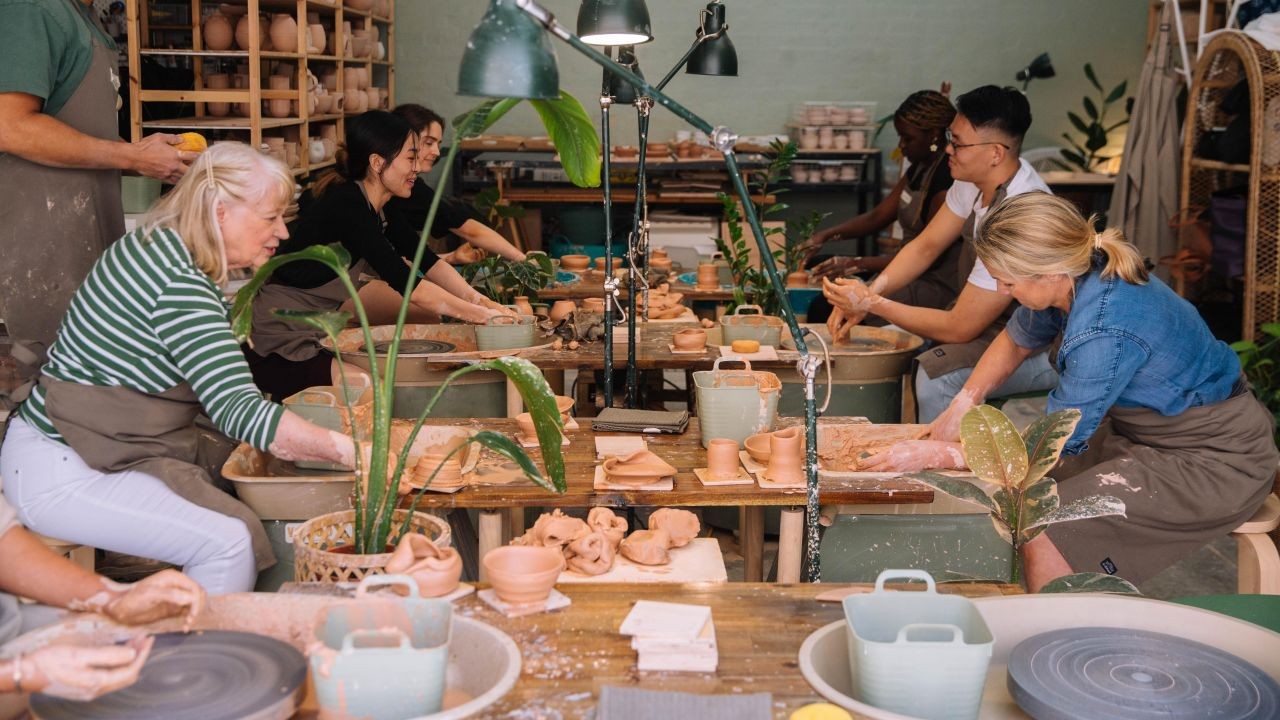
Historically, New Zealand has been a nation that prides itself on its unique cultural heritage and artistic expression. Craft workshops played a crucial role in preserving Maori traditions and fostering a sense of community. However, with the advent of digital technology, the way art is created and consumed has undergone significant changes. The introduction of video content has allowed artists to reach a broader audience, transforming workshops into virtual exhibitions. This shift is not merely a change in medium but a profound transformation in the cultural economy.
The Economic Impact of Video Content
According to the Ministry of Business, Innovation and Employment (MBIE), the creative sector in New Zealand contributes significantly to the economy, with the digital creative sector alone generating over NZD 3.6 billion annually. Video content, in particular, has been pivotal in this growth. By providing artists with a platform to showcase their work globally, video content has opened new revenue streams and market opportunities, thus enhancing the economic contribution of the creative industries.
Case Studies: New Zealand's Success Stories
Case Study: The Rise of "The Crafters' Guild"
Problem: "The Crafters' Guild," a collective of artisans in Auckland, faced the challenge of limited exposure. Despite having high-quality handcrafted products, they struggled to reach audiences beyond local markets.
Action: They turned to video content, creating short documentaries showcasing the intricate process behind their crafts. These videos were shared across social media platforms and partnered with local influencers to maximize reach.
Result: Within six months, "The Crafters' Guild" saw a 60% increase in online sales and expanded their customer base internationally. Their videos received widespread acclaim, even featuring in international art festivals.
Takeaway: This case study illustrates the power of storytelling through video content. By leveraging digital platforms, traditional artisans can reach new audiences and grow their businesses beyond geographical constraints.
Case Study: Wellington's Digital Art Festival
Problem: The Wellington Art Festival needed to adapt to the COVID-19 pandemic, which restricted physical gatherings and threatened the event's viability.
Action: Organizers pivoted to a digital format, creating an online festival experience. They utilized live streams, virtual reality exhibits, and interactive video content to engage audiences.
Result: The digital festival attracted over 100,000 virtual attendees, a 150% increase compared to the previous year's physical event. The festival also garnered international attention, boosting Wellington's reputation as a hub for digital innovation.
Takeaway: The successful transition to a digital format demonstrates the adaptability of New Zealand's cultural events. Embracing digital solutions can lead to greater audience engagement and international exposure.
Data-Driven Insights: The Role of Government and Policies
New Zealand's government has recognized the potential of the digital creative sector and has implemented policies to support its growth. The Creative New Zealand Arts Council has invested heavily in digital initiatives, providing grants and resources to artists transitioning to digital platforms. According to Stats NZ, government funding for digital arts increased by 25% in the past year, reflecting a commitment to fostering innovation and creativity.
Challenges and Opportunities
- Pros:
- Enhanced global reach for artists.
- Increased revenue streams through digital sales.
- Opportunities for collaboration and cross-industry partnerships.
- Supportive government policies and funding.
- Cons:
- Initial costs of digital transition can be high.
- Technical skills required for video content creation.
- Potential oversaturation of digital platforms.
- Concerns about digital copyright and intellectual property.
Contrasting Perspectives: Traditional Vs. Digital Art Forms
While digital art has opened new avenues for creativity and expression, it has sparked a debate about the value of traditional art forms. Some purists argue that digital art lacks the authenticity and tactile experience of traditional crafts. However, others see digital art as an evolution of artistic expression that can coexist with traditional forms. By bridging the gap between the two, New Zealand can create a more inclusive and diverse art ecosystem.
Expert Insights and Predictions
Simon Reed, an urban development strategist, believes that the integration of video content in art is just the beginning. "We are on the cusp of a digital renaissance," he states. "As technology advances, we will see more immersive experiences that blend virtual and physical realities. New Zealand has the potential to be a leader in this space, leveraging its unique cultural heritage and innovative spirit."
Myths and Misconceptions
- Myth: "Digital art is easier to create than traditional art." Reality: While digital tools offer convenience, they require technical skills and creativity. The process can be just as complex as traditional methods.
- Myth: "Video content will replace physical art exhibitions." Reality: Video content complements physical exhibitions by reaching wider audiences and enhancing the viewer experience.
- Myth: "Only tech-savvy artists can succeed in the digital realm." Reality: Many platforms offer user-friendly tools that allow artists of all skill levels to create and share video content.
Future Trends and Predictions
The future of art in New Zealand is poised for exciting developments. As the digital landscape evolves, we can expect to see more hybrid art forms that combine traditional and digital techniques. By 2028, it's predicted that 70% of New Zealand art exhibitions will incorporate some form of digital content, enhancing accessibility and engagement.
Conclusion: Embracing the Digital Future
New Zealand's journey from craft workshops to art exhibitions showcases the country's adaptability and innovative spirit. By embracing video content, Kiwi artists are not only preserving their cultural heritage but also enhancing their global footprint. As we move forward, the fusion of traditional and digital art forms will continue to redefine the creative landscape, offering new opportunities for growth and expression.
Final Takeaways:
- Video content has significantly expanded the reach and impact of New Zealand's creative sector.
- Government support and funding play a crucial role in fostering digital innovation.
- Artists should embrace both traditional and digital techniques to maximize their potential.
- Engaging video content can enhance cultural appreciation and economic growth.
- New Zealand has the potential to be a global leader in the digital creative sector.
Are you ready to explore the potential of video content in your creative endeavors? Share your thoughts and experiences in the comments below!
People Also Ask (FAQ)
- How does video content impact New Zealand's economy?
Video content enhances the reach of Kiwi artists, boosting engagement and international sales. This contributes significantly to the creative sector, which generates over NZD 3.6 billion annually.
- What are the challenges of creating digital art in New Zealand?
Challenges include the initial cost of transitioning to digital platforms, the need for technical skills, and the risk of oversaturation on digital platforms.
- What future trends will shape New Zealand's art scene?
By 2028, 70% of art exhibitions in New Zealand are expected to incorporate digital content, enhancing accessibility and engagement.
Related Search Queries
- New Zealand digital art trends
- Impact of video content on art
- Craft workshops in New Zealand
- Government policies on digital art NZ
- Future of art exhibitions in New Zealand
- Digital vs. traditional art
- Case studies on digital art success
- Video content creation tools for artists
- Funding for digital art initiatives in NZ
- Economic impact of creative industries NZ
```
For the full context and strategies on From Craft Workshops to Art Exhibitions: Video Content That Promotes Kiwi Talent, see our main guide: New Zealand Video Platform.