






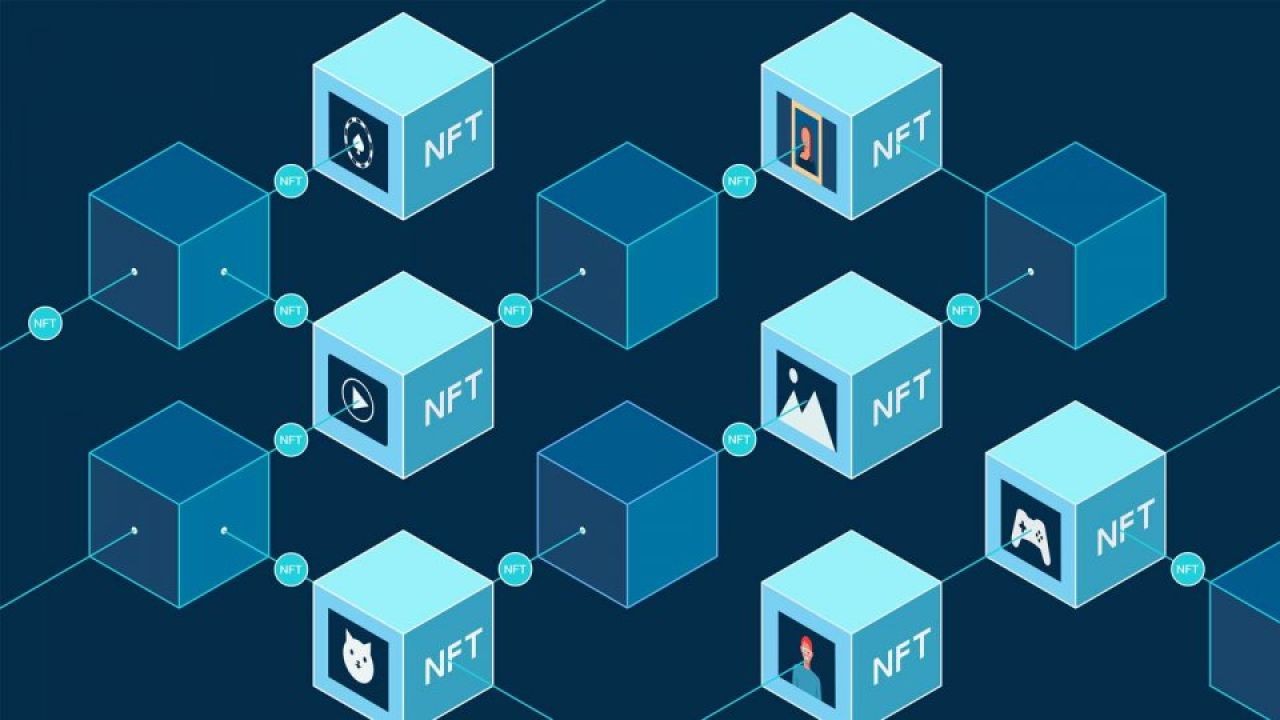
Blockchain technology is often heralded as a transformative force in various sectors, but its impact on property transactions could be particularly profound, especially in New Zealand. While the real estate market is traditionally slow to adopt technological innovations due to its complex legal and regulatory frameworks, blockchain holds the potential to streamline processes, reduce fraud, and increase transparency. As New Zealand grapples with a volatile housing market, understanding how blockchain could reshape property transactions is crucial for investors, regulators, and real estate professionals alike.
Understanding Blockchain: A Primer for Real Estate Experts
Before diving into its potential applications, it’s important to understand what blockchain is. At its core, blockchain is a decentralized ledger that records transactions across many computers so that the record cannot be altered retroactively. This technology ensures transparency, security, and efficiency, which are paramount in property transactions where multiple parties are involved.
Why Blockchain Matters in New Zealand's Context
New Zealand's real estate market is undergoing significant changes, with property prices soaring by 27% over the last year alone, according to Stats NZ. This surge has heightened the need for more efficient and secure transaction processes. Blockchain's ability to reduce fraud and streamline processes could offer much-needed relief to this overheated market.
Case Study: Sweden's Blockchain Experiment
To understand how blockchain could impact New Zealand, let's examine Sweden, a pioneer in this space. The Swedish government initiated a pilot project to record property transactions on a blockchain. The project's goal was to reduce the time it takes to complete a sale from months to days. Although still in its experimental phase, early results have shown that blockchain can significantly reduce administrative overheads and errors.
This example is pertinent to New Zealand, where property transactions are often bogged down by bureaucratic processes. Implementing a similar system could enhance efficiency and trust in the market, providing a competitive edge and attracting international investors.
Pros and Cons of Blockchain in Property Transactions
Pros:
- Transparency and Security: Blockchain provides a tamper-proof record, reducing the chances of fraud.
- Efficiency: By automating processes, blockchain can cut down on time-consuming paperwork.
- Cost Reduction: Eliminating intermediaries like lawyers and brokers can significantly reduce transaction costs.
- Increased Trust: The decentralized nature of blockchain can increase trust among parties, facilitating quicker negotiations and deals.
Cons:
- Regulatory Hurdles: New Zealand's regulatory framework is not yet equipped to handle blockchain-based transactions, posing legal challenges.
- Technological Complexity: Implementing blockchain requires significant technical expertise and infrastructure.
- Market Resistance: The real estate industry's traditional nature may resist such a disruptive change.
- Privacy Concerns: As blockchain records are transparent, protecting sensitive information can be challenging.
How Blockchain Could Overcome Challenges
The potential barriers to blockchain implementation in the property market are not insurmountable. For instance, regulatory challenges can be mitigated by adopting a phased approach. Pilot projects, like those in Sweden, can serve as a blueprint for New Zealand to test and adapt blockchain within its legal framework.
Furthermore, educating stakeholders about blockchain's benefits and creating alliances with tech companies can foster a more conducive environment for adoption. As technology evolves, blockchain's complexity will likely reduce, making it more accessible to the average user.
Common Myths and Mistakes in Blockchain Adoption
Myth: Blockchain guarantees complete privacy.
Reality: While blockchain offers security, it doesn't automatically guarantee privacy. Transactions are visible to all network participants, which can be a concern in sensitive transactions.
Myth: Implementing blockchain is prohibitively expensive.
Reality: Initial costs can be high, but the long-term savings from increased efficiency and reduced fraud often outweigh these initial expenses.
Myth: Blockchain will eliminate the need for real estate professionals.
Reality: While some roles may change, the need for expert advice and negotiation skills will remain crucial.
Future Trends and Predictions
Looking ahead, blockchain's role in property transactions is likely to grow. According to a report by Deloitte, by 2028, around 40% of property transactions in developed markets could utilize blockchain technology. New Zealand could follow this trend, especially as the government seeks to modernize its digital infrastructure and improve housing affordability.
Moreover, as blockchain technology matures, its applications could extend beyond transactions to encompass property management, rental agreements, and even urban planning. However, the success of these initiatives will depend on collaborative efforts between the government, private sector, and tech innovators.
Conclusion: The Path Forward for New Zealand
The integration of blockchain into New Zealand's property market presents both opportunities and challenges. While the road to widespread adoption is fraught with hurdles, the potential benefits—improved transparency, efficiency, and trust—make it a worthwhile endeavor. For real estate professionals, staying informed about technological advancements and advocating for supportive policies will be key to navigating this evolving landscape.
What are your thoughts on the potential of blockchain in New Zealand's real estate market? Share your insights below!
Related Search Queries
- Blockchain in New Zealand real estate
- Property technology trends NZ
- Blockchain applications in real estate
- Future of blockchain in property transactions
- Real estate technology innovations NZ
People Also Ask
How does blockchain impact real estate in New Zealand?Blockchain can streamline property transactions, reducing both time and costs, and increasing transparency, which is crucial in New Zealand's competitive real estate market.
What are the biggest misconceptions about blockchain in real estate?A common myth is that blockchain guarantees complete privacy. However, while secure, blockchain transactions are transparent, which can be a concern for some users.
What upcoming changes in New Zealand could affect blockchain adoption in real estate?By 2026, regulatory updates may facilitate more blockchain applications in property transactions, making it essential for real estate professionals to stay informed.
For the full context and strategies on How Blockchain Could Disrupt Property Transactions in New Zealand, see our main guide: First Time Homebuyer Video Guides Nz.



































Harisharan Devgan
5 months ago