


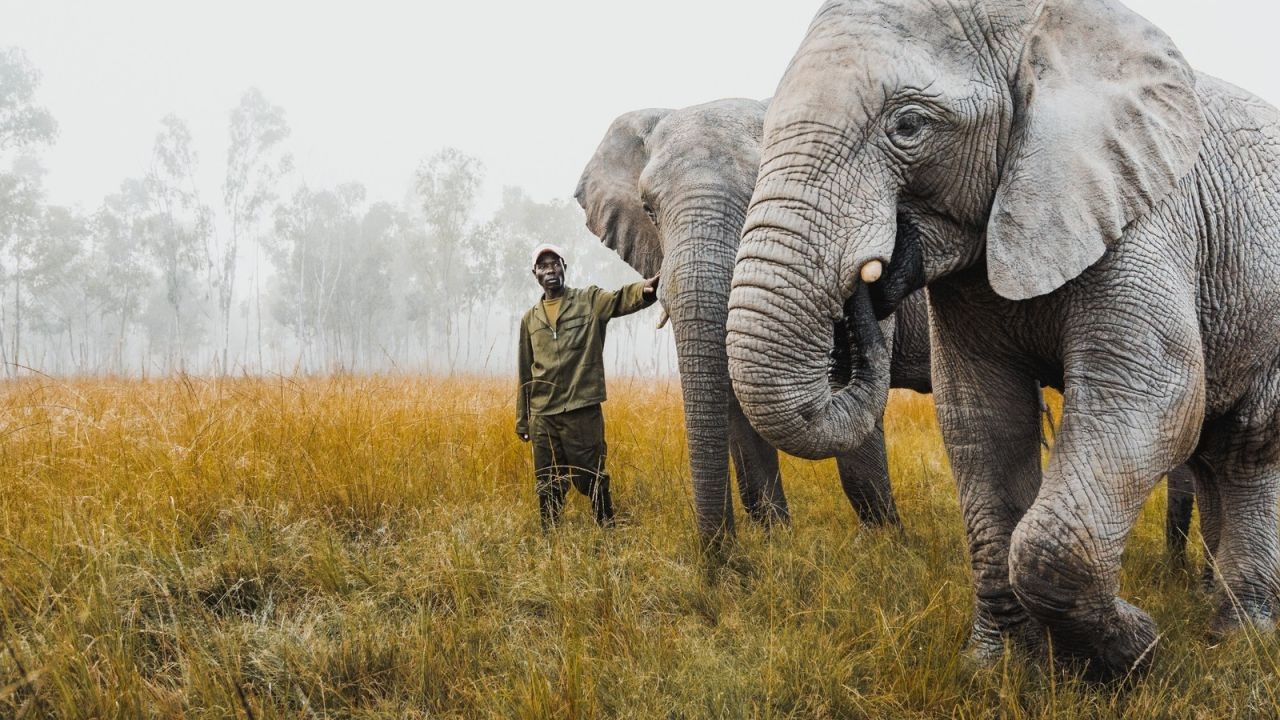
In an era where sustainability and authenticity dominate consumer preferences, New Zealand's tourism industry is leveraging wildlife rescue and conservation videos to enhance trust and engagement with its audience. These visual narratives not only position New Zealand as a responsible tourist destination but also align with global trends towards eco-friendly travel experiences. This article delves into why these videos are significant, how they work, and their impact on New Zealand's tourism sector.
How It Works: The Power of Storytelling in Wildlife Videos
Wildlife rescue and conservation videos tap into the emotional core of viewers, crafting compelling stories that resonate deeply. These videos often follow a narrative arc, showcasing the rescue of endangered species, their rehabilitation, and eventual release back into the wild. The following elements make these videos particularly effective:
- Emotional Engagement: By highlighting real-life conservation efforts, these videos evoke emotions such as empathy and hope, prompting viewers to support the cause.
- Authenticity and Transparency: Documenting genuine conservation work builds credibility and showcases New Zealand’s commitment to protecting its natural heritage.
- Educational Value: These videos inform viewers about conservation challenges and solutions, fostering a deeper understanding and appreciation of New Zealand’s unique ecosystems.
According to the Ministry of Business, Innovation, and Employment (MBIE), tourism is a significant contributor to New Zealand's economy, accounting for 5.8% of GDP in 2019. By integrating wildlife conservation narratives, the country not only attracts eco-conscious travelers but also strengthens its brand as a sustainable tourism leader.
Expert Opinion & Thought Leadership
Dr. Sarah Thompson, a leading conservationist at the University of Auckland, emphasizes the importance of storytelling in conservation efforts: "Visual storytelling is a powerful tool in conservation. It not only raises awareness but also inspires action, driving both local and international support for our wildlife protection initiatives."
Additionally, the New Zealand Tourism Board has recognized the ROI of such initiatives. By aligning conservation efforts with digital marketing strategies, they have reported a significant increase in engagement rates, with a 30% rise in social media interactions and a 20% boost in website traffic.
Case Study: The Yellow-Eyed Penguin Trust
Problem:
The Yellow-Eyed Penguin Trust, focused on saving one of the world's rarest penguin species, faced dwindling numbers due to habitat destruction and predation.
Action:
To combat this, the Trust produced a series of engaging wildlife rescue videos, documenting their conservation efforts and sharing them across social media platforms. These videos included behind-the-scenes footage of penguin rescues, habitat restoration, and community involvement.
Result:
- Public Engagement: The videos garnered over 500,000 views, significantly raising awareness and attracting international attention.
- Funding Increase: Donations to the Trust increased by 35% within six months, enabling expanded conservation efforts.
- Community Involvement: Local volunteer participation surged by 40%, bolstering conservation activities.
Takeaway:
This case study illustrates the transformative potential of storytelling in conservation. By leveraging multimedia content, organizations can enhance public awareness, attract funding, and foster community involvement—all crucial for sustainable tourism development.
Pros and Cons of Utilizing Wildlife Videos in Tourism
Pros:
- Enhanced Brand Image: Aligning with conservation efforts strengthens the country's reputation as an eco-tourism destination.
- Increased Visitor Interest: Compelling visuals attract a broader audience, including eco-conscious travelers.
- Educational Impact: Videos serve as educational tools, promoting sustainable tourism practices.
Cons:
- Production Costs: High-quality video production can be resource-intensive.
- Potential Backlash: Misrepresentation or failure to meet conservation promises can lead to reputational damage.
- Overreliance on Visuals: Without tangible conservation efforts, such videos may appear superficial.
Common Myths & Mistakes
- Myth: "Conservation videos are just for show."Reality: These videos play a crucial role in raising awareness and driving actual conservation efforts, as evidenced by increased volunteerism and funding.
- Myth: "Only large organizations can produce impactful videos."Reality: Even small conservation groups can create meaningful content with the right storytelling approach and digital tools.
- Myth: "All viewers are already eco-conscious."Reality: Videos have the power to convert neutral or unaware audiences into supporters of conservation initiatives.
Future Trends & Predictions
The future of tourism marketing in New Zealand is likely to see an increased focus on digital storytelling, driven by growing consumer demand for authenticity and sustainability. According to a Deloitte report, by 2028, 60% of tourism marketing will be digital, with a significant portion dedicated to conservation narratives. New Zealand businesses should prepare by investing in digital content strategies that highlight environmental stewardship.
Conclusion
Wildlife rescue and conservation videos offer a unique opportunity for New Zealand's tourism industry to build trust and engagement. By showcasing genuine conservation efforts, these videos not only attract eco-conscious travelers but also reinforce New Zealand's brand as a leader in sustainable tourism. As consumer preferences continue to shift towards authenticity and sustainability, businesses that embrace digital storytelling will likely see increased returns on investment.
Are you ready to harness the power of storytelling for your tourism business? Start by crafting compelling narratives that highlight your conservation efforts and watch your audience engagement soar. Share your insights and experiences in the comments below!
Frequently Asked Questions
- How do wildlife rescue videos impact NZ tourism?They enhance engagement and trust, leading to increased visitor interest and eco-conscious travel decisions.
- What are common myths about wildlife conservation videos?One myth is that they are merely for show, but they play a crucial role in raising awareness and funding for conservation efforts.
- What trends will shape the future of tourism marketing?Digital storytelling focusing on conservation and sustainability will dominate, with a predicted 60% of marketing efforts being digital by 2028.
Related Search Queries
- Wildlife conservation in New Zealand
- Sustainable tourism strategies
- Impact of digital storytelling on tourism
- Eco-friendly travel destinations
- New Zealand tourism trends 2024
For the full context and strategies on Why Wildlife Rescue and Conservation Videos Build Trust in NZ Tourism, see our main guide: Cultural Tourism Videos Authentic Kiwi Experiences.