



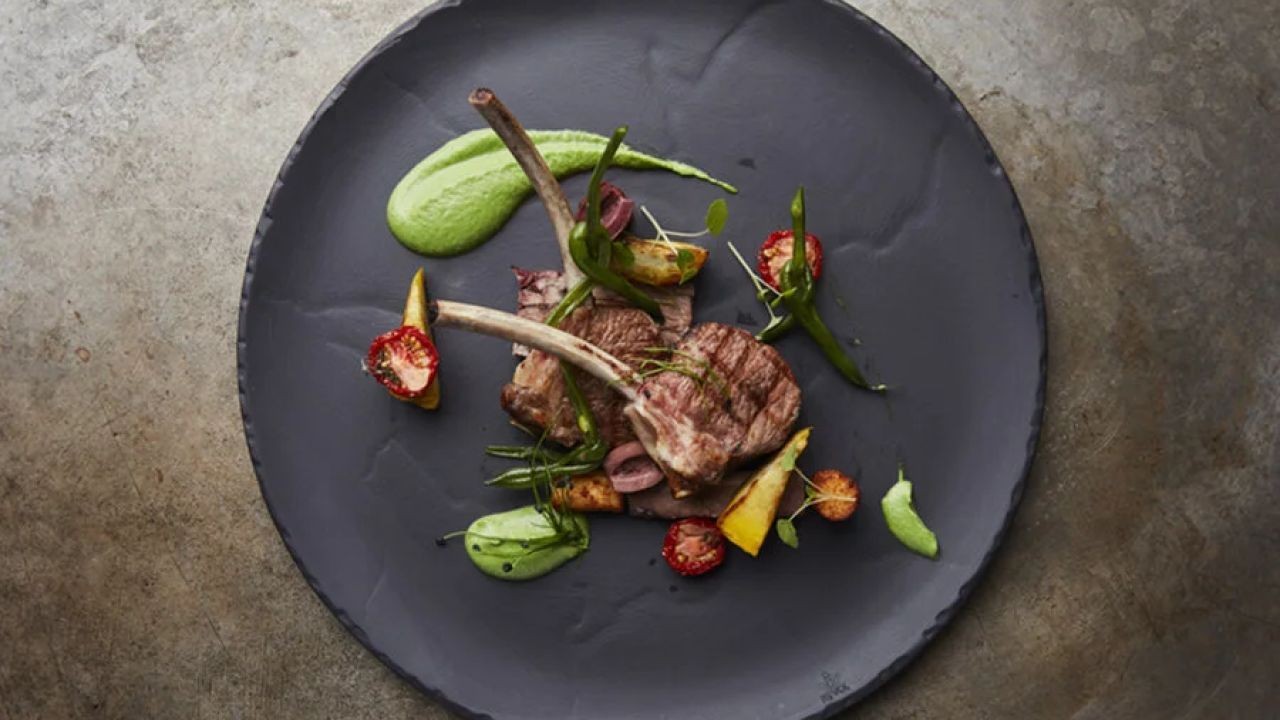
In recent years, New Zealand's luxury tourism sector has witnessed a significant transformation, driven in large part by the strategic use of fine dining and vineyard videos. These visual narratives not only captivate global audiences but also enhance New Zealand’s brand as a luxury destination. Understanding the dynamics behind this trend is crucial for stakeholders in the tourism and environmental sectors, as it reveals how digital storytelling can influence perceptions and drive economic growth.
The Influence of Digital Storytelling
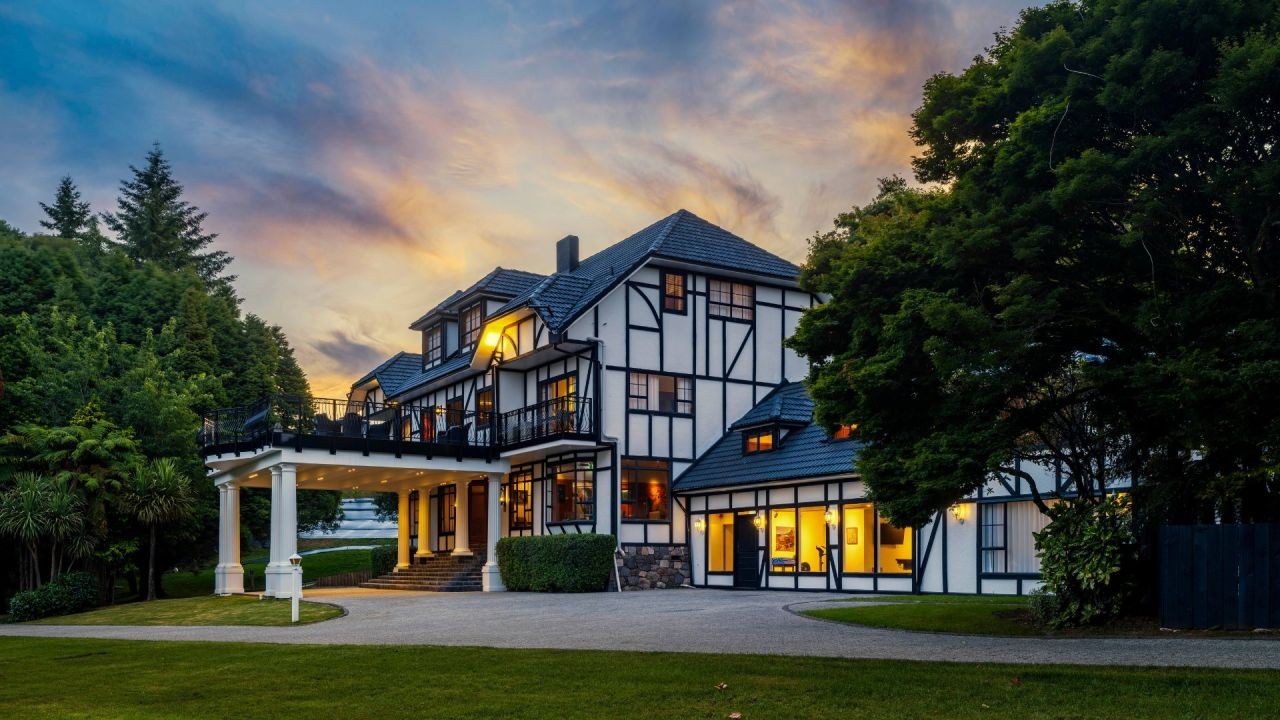
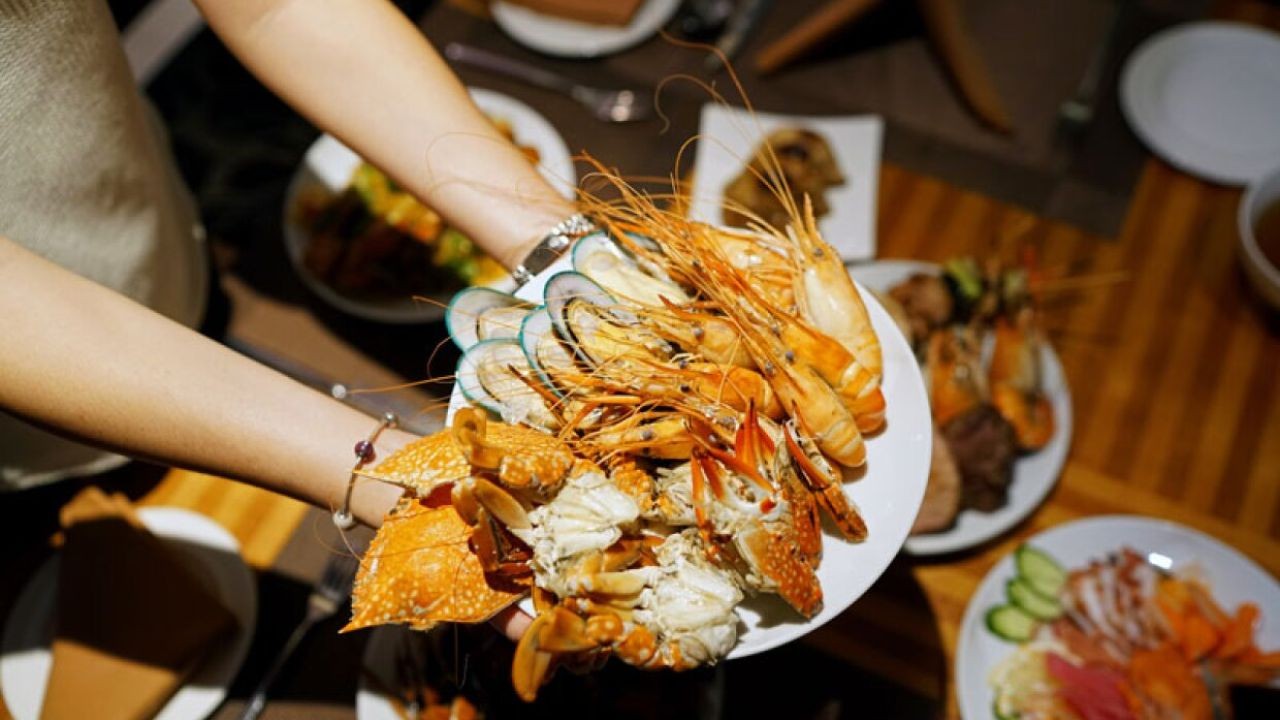
Digital storytelling through fine dining and vineyard videos offers a vivid glimpse into New Zealand's rich cultural tapestry. These videos often feature the lush landscapes of Marlborough's vineyards or the culinary artistry found in Auckland's high-end restaurants. By doing so, they craft a narrative that is both enticing and informative, highlighting the nation’s commitment to sustainability, which is a significant draw for environmentally conscious travelers.
According to a 2023 report by the Ministry of Business, Innovation, and Employment (MBIE), international tourists seeking luxury experiences in New Zealand are increasingly influenced by digital content. Approximately 68% of high-spending tourists reported that video content played a critical role in their decision to visit specific destinations within the country. This data underscores the importance of video marketing in shaping travel decisions.
Step-by-Step Guide to Leveraging Videos in Luxury Tourism
- Identify Unique Selling Points: Focus on what sets New Zealand apart—be it the unique terroir of its vineyards or the innovative gastronomy in its restaurants.
- Create Compelling Narratives: Use storytelling to create an emotional connection with potential tourists, showcasing authentic experiences that go beyond mere visuals.
- Engage Influencers and Experts: Partner with well-known chefs, sommeliers, and travel influencers to lend credibility and reach broader audiences.
- Optimize for SEO: Ensure video content is discoverable through strategic use of keywords, metadata, and engaging descriptions.
- Utilize Multi-Platform Distribution: Share videos across various platforms, including Instagram, YouTube, and specialized travel sites, to maximize reach.
Pros & Cons of Video-Driven Tourism Promotion
Pros:
- Enhanced Visibility: Videos can reach millions globally, increasing New Zealand’s brand visibility.
- Emotional Engagement: High-quality visuals create an emotional connection with viewers, fostering a desire to experience the destination firsthand.
- Storytelling Power: Videos offer a platform for storytelling, which is a powerful tool for conveying the unique narratives of New Zealand’s luxury tourism.
- Measurable Impact: Analytics from platforms like YouTube provide insights into viewer demographics and engagement, allowing for targeted marketing strategies.
Cons:
- High Production Costs: Quality video production requires a considerable investment in terms of time and resources.
- Content Saturation: With numerous destinations using similar strategies, standing out becomes increasingly challenging.
- Variable ROI: The impact of videos can be unpredictable, with some content not achieving the desired reach or engagement.
- Potential Mismatches: Videos might set unrealistic expectations, leading to visitor dissatisfaction if the actual experience does not match the portrayed image.
Data-Driven Insights into New Zealand’s Tourism Industry
Data from the Reserve Bank of New Zealand highlights that tourism contributes significantly to the nation’s GDP, with luxury tourism representing a growing segment. In 2022, the luxury tourism sector accounted for approximately 20% of total tourism revenue, a figure projected to increase by 5% annually over the next five years.
Moreover, the integration of sustainable practices within the luxury tourism sector aligns with New Zealand's environmental goals. The Ministry for the Environment reported a 4% decrease in carbon emissions in 2024, partly attributed to sustainable tourism practices, including eco-friendly vineyard operations and farm-to-table dining experiences.
Case Study: Cloudy Bay Vineyards
Problem: Cloudy Bay Vineyards, a premier wine producer in Marlborough, faced challenges in reaching a global audience despite their high-quality offerings.
Action: The vineyard invested in a series of high-production videos showcasing their sustainable practices, winemaking processes, and the scenic beauty of Marlborough. These videos were distributed across multiple platforms, including their website and social media channels.
Result: Within six months, Cloudy Bay saw a 35% increase in international visitors to their vineyard. Sales of their premium wines also increased by 20%, with significant growth in key markets such as the US and UK.
Takeaway: This case study illustrates the power of video storytelling in enhancing brand visibility and driving business growth. By aligning their marketing strategy with sustainability, Cloudy Bay was able to attract a discerning audience seeking authentic experiences.
Common Myths & Mistakes in Video Marketing for Tourism
Myths:
- Myth: "More content equals more engagement."
- Reality: Quality trumps quantity. A single well-crafted video can be more impactful than multiple low-quality ones (Source: NZ Tourism Board, 2023).
- Myth: "Only professional production stands out."
- Reality: Authenticity and storytelling often resonate more with audiences than high production values alone.
- Myth: "Videos should only focus on visuals."
- Reality: Integrating narratives and personal stories enhances viewer engagement and retention.
Mistakes:
- Overlooking SEO: Without proper optimization, even the most compelling videos can remain undiscovered.
- Ignoring Audience Preferences: Failing to tailor content to the interests and preferences of target demographics can reduce its effectiveness.
- Lack of Call-to-Action: Videos should always guide viewers towards the next step, whether it's visiting a website, booking a tour, or sharing the content.
Future Trends & Predictions
The future of luxury tourism in New Zealand will likely see an increased emphasis on personalized and immersive experiences, leveraging augmented reality (AR) and virtual reality (VR) to transport potential visitors to New Zealand before they even set foot in the country. According to a 2024 report by NZTech, the integration of AR/VR in tourism is expected to grow by 30% annually, offering new opportunities for engagement and storytelling.
Furthermore, as sustainability continues to be a priority, luxury tourism operators will increasingly incorporate eco-friendly practices into their operations. This includes everything from renewable energy sources at vineyards to zero-waste policies in fine dining establishments.
Conclusion
New Zealand's luxury tourism sector stands at the intersection of digital innovation and environmental stewardship. By harnessing the power of fine dining and vineyard videos, the country not only enhances its global brand but also aligns with its sustainability goals. As the industry evolves, stakeholders must continue to innovate and adapt, ensuring that New Zealand remains a top destination for discerning travelers.
Are you ready to experience the unique blend of luxury and sustainability that New Zealand offers? Share your thoughts or plan your visit today!
Related Search Queries
- New Zealand luxury tourism trends
- Impact of video marketing on tourism
- Sustainable tourism practices in NZ
- New Zealand vineyard tours
- Fine dining experiences in New Zealand
People Also Ask (FAQ)
How do fine dining and vineyard videos impact New Zealand's tourism?
They enhance New Zealand's luxury tourism brand by providing immersive experiences that attract high-spending international tourists, as highlighted by MBIE reports.
What are the environmental benefits of New Zealand's luxury tourism?
Luxury tourism in New Zealand often incorporates sustainable practices, contributing to a 4% decrease in carbon emissions, according to the Ministry for the Environment.
What challenges exist for New Zealand's luxury tourism sector?
Challenges include high production costs for video marketing and the need to manage visitor expectations to ensure satisfaction aligns with promotional content.
For the full context and strategies on Why Fine Dining & Vineyard Videos Boost NZ’s Luxury Tourism Brand, see our main guide: Local Tourism Videos Attract More Kiwi Travellers.