
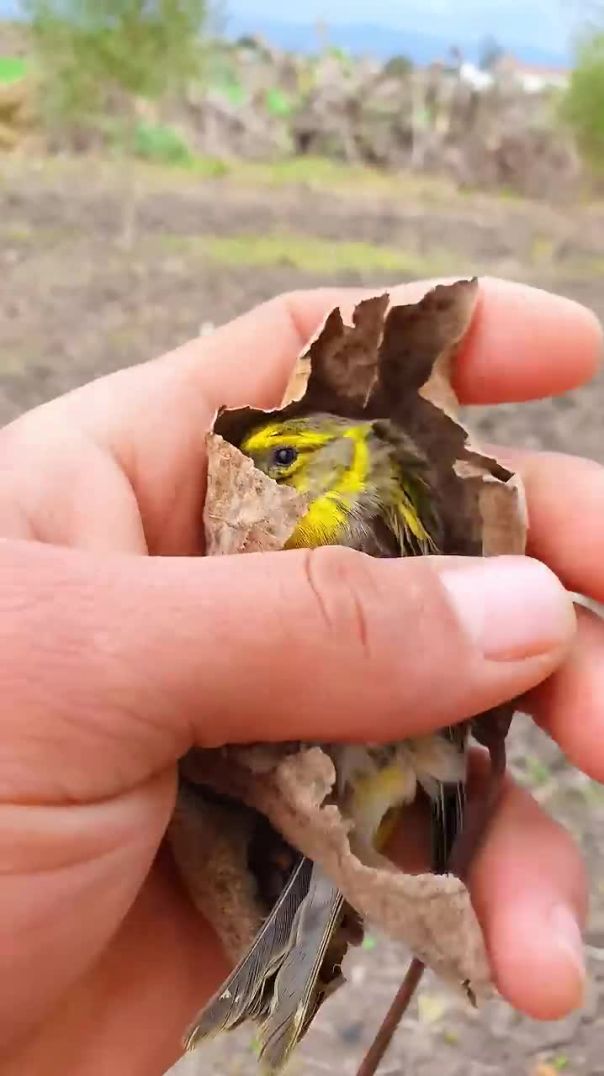


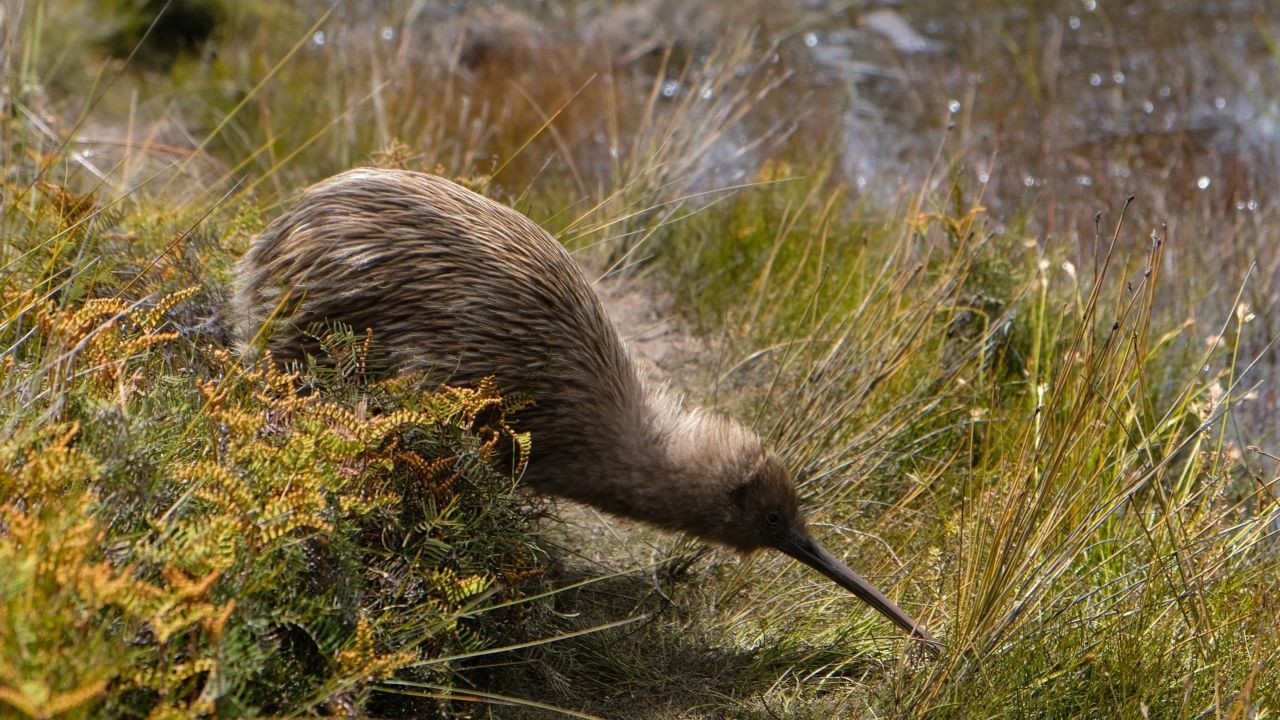
New Zealand, a land of breathtaking landscapes and unique biodiversity, faces a delicate balancing act between harnessing its natural beauty for tourism and preserving its wildlife. As global travelers increasingly prioritize eco-conscious vacations, there is a growing opportunity for conservation project videos to serve as a dual-purpose tool: boosting tourism while safeguarding New Zealand’s wildlife. Through engaging storytelling and authentic representation of conservation efforts, these videos offer a powerful avenue for promoting sustainable tourism. In this article, we'll explore how conservation project videos can benefit New Zealand's economy, examine real-world case studies, and discuss both the advantages and challenges involved.
Future Forecast & Trends
Looking ahead, the intersection of conservation and tourism in New Zealand is poised for significant growth. Industry experts predict that by 2025, eco-tourism could comprise up to 30% of the country's total tourism revenue, driven by a global shift towards sustainable travel experiences. This trend is supported by data from the Ministry of Business, Innovation and Employment (MBIE), which highlights a steady increase in tourists seeking environmentally responsible destinations.
Moreover, as digital content continues to dominate consumer engagement, conservation project videos represent an innovative way to capture the hearts and minds of potential visitors. These videos not only showcase New Zealand’s natural wonders but also educate audiences on the importance of preserving them, thereby attracting eco-conscious travelers. As a result, businesses that invest in high-quality conservation storytelling will likely see a boost in both brand reputation and visitor numbers.
Case Study: Zealandia – A Sanctuary for New Zealand's Wildlife
Zealandia, an urban eco-sanctuary in Wellington, provides a compelling example of how conservation project videos can enhance tourism. Faced with the challenge of increasing visitor engagement, Zealandia utilized a series of captivating short films to highlight its conservation efforts and the diverse species thriving within its predator-proof fence.
Through these videos, Zealandia successfully increased visitor numbers by 25% within a year, according to a report by Tourism New Zealand. This growth was attributed to the videos’ ability to emotionally connect with audiences, effectively turning viewers into advocates who spread the word about Zealandia's mission. The sanctuary’s success underscores the potential for conservation media to drive tourism while fostering environmental stewardship.
Pros & Cons Evaluation
Pros:
- Enhanced Engagement: Videos offer a dynamic and engaging way to showcase conservation efforts, capturing the attention of a broader audience.
- Increased Awareness: By educating viewers about the importance of conservation, these videos can inspire action and support for environmental initiatives.
- Economic Boost: As eco-tourism grows, conservation-focused content can attract a new wave of visitors, benefiting local economies.
- Brand Differentiation: Businesses that align with sustainability values can differentiate themselves in a competitive market.
- Global Reach: Digital platforms allow videos to reach international audiences, expanding New Zealand's tourism appeal.
Cons:
- Production Costs: High-quality video production can require significant investment, which may be a barrier for smaller organizations.
- Authenticity Concerns: Misrepresenting conservation efforts can lead to skepticism and damage credibility.
- Limited Audience: While digital reach is vast, not all demographics may engage with video content.
- Resource Dependence: Effective video campaigns require ongoing content creation and updates to remain relevant.
- Privacy Issues: Filming in protected areas may raise concerns about disturbing wildlife habitats.
Debunking Common Myths
Despite the evident benefits, several misconceptions persist about conservation project videos. Let’s debunk some of these myths:
- Myth: Conservation videos are only for large organizations.
- Reality: Even small businesses and NGOs can create impactful videos with strategic storytelling and targeted distribution.
- Myth: Videos don’t influence tourist behavior.
- Reality: Studies show that 90% of travelers are influenced by visual content when choosing their travel destinations (Source: Tourism New Zealand).
- Myth: Producing videos is too expensive without immediate ROI.
- Reality: While upfront costs exist, the long-term benefits in terms of increased tourism and conservation funding often outweigh the initial investment.
Future Trends & Predictions
As we look to the future, the role of conservation project videos in tourism is set to expand. By 2030, immersive technologies like virtual reality (VR) and augmented reality (AR) are expected to revolutionize how audiences experience New Zealand's natural wonders. According to a report by the University of Auckland, these technologies could increase tourism engagement by providing virtual experiences of remote locations, further enhancing conservation awareness.
Additionally, the integration of user-generated content into official marketing strategies will become increasingly prevalent. Encouraging tourists to share their conservation experiences on social media will create authentic and relatable content that resonates with wider audiences, amplifying New Zealand's appeal as a leading eco-tourism destination.
Final Takeaway & Call to Action
In conclusion, conservation project videos present a unique opportunity to simultaneously boost tourism and protect New Zealand’s wildlife. By investing in engaging and authentic storytelling, businesses and conservation organizations can attract eco-conscious travelers and foster a culture of environmental stewardship.
For those looking to capitalize on this trend, consider collaborating with local videographers and digital marketers to create compelling content that reflects your conservation efforts. Join the movement towards sustainable tourism and help preserve New Zealand’s natural treasures for future generations.
What’s your take on the future of conservation and tourism in New Zealand? Share your insights below and join the conversation!
People Also Ask (FAQ)
- How do conservation project videos impact tourism in New Zealand? Conservation videos increase awareness and attract eco-conscious travelers, boosting tourism revenue while promoting environmental preservation.
- What are the key benefits of using videos for conservation efforts? Videos enhance engagement, increase awareness, and differentiate brands, contributing to economic growth and global reach.
- What challenges do businesses face when creating conservation videos? Challenges include production costs, maintaining authenticity, and ensuring privacy while engaging diverse audiences.
Related Search Queries
- Conservation tourism in New Zealand
- Eco-friendly travel destinations NZ
- Impact of conservation videos on tourism
- Wildlife protection strategies in New Zealand
- Sustainable tourism trends 2025
- Benefits of eco-tourism in NZ
- Virtual reality in tourism
- New Zealand eco-tourism case studies
- Future of conservation marketing
- How to create impactful conservation videos
For the full context and strategies on How Conservation Project Videos Boost Tourism and Protect NZ’s Wildlife, see our main guide: Aotearoa Destination Videos Drive Bookings.