




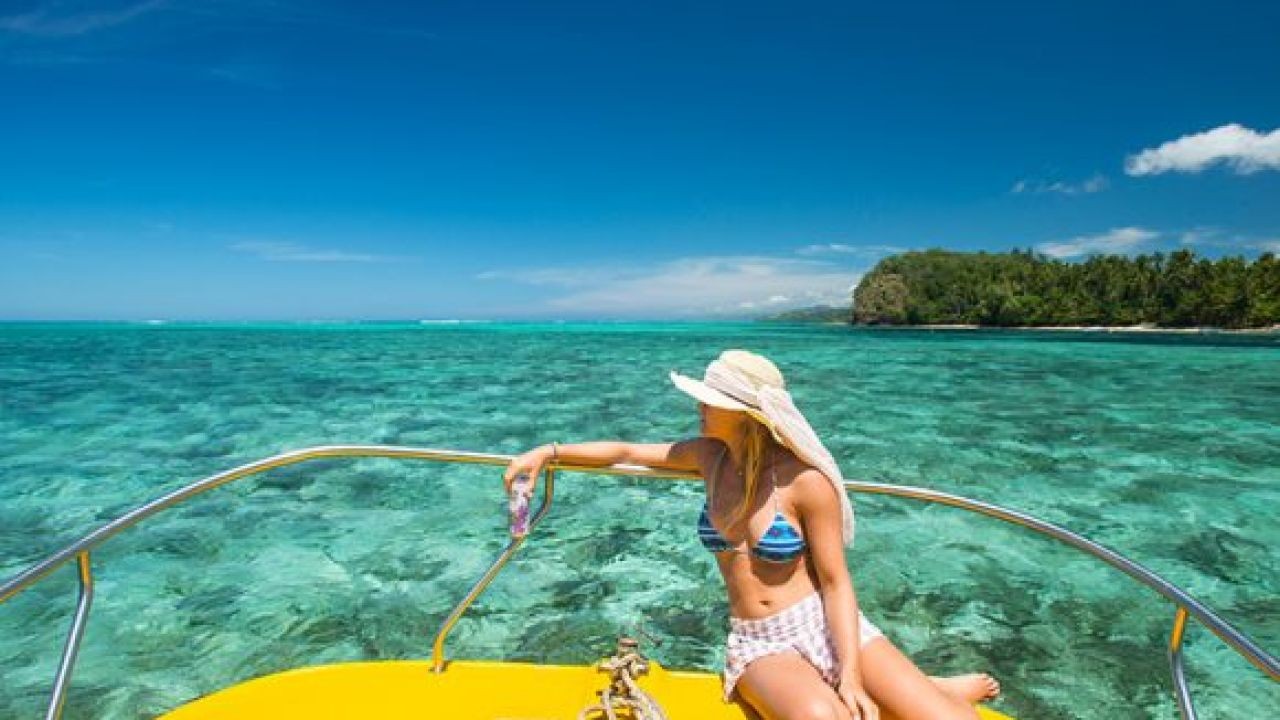
In the digital age, where visuals reign supreme in capturing attention, South Island travel videos are emerging as a pivotal force in showcasing New Zealand's breathtaking landscapes and luxury tourism offerings. This narrative follows a real-world scenario of a travel influencer who transformed his passion into a thriving business, using the picturesque South Island as his canvas. By tapping into the allure of New Zealand's natural beauty, these videos not only highlight the splendor of mountains and lakes but also reveal the potential for lucrative opportunities in tourism and related industries. As we delve into this topic, we'll explore how the strategic use of visual storytelling can redefine tourism marketing, driving economic growth and setting new trends in the industry.
Future Forecast & Trends
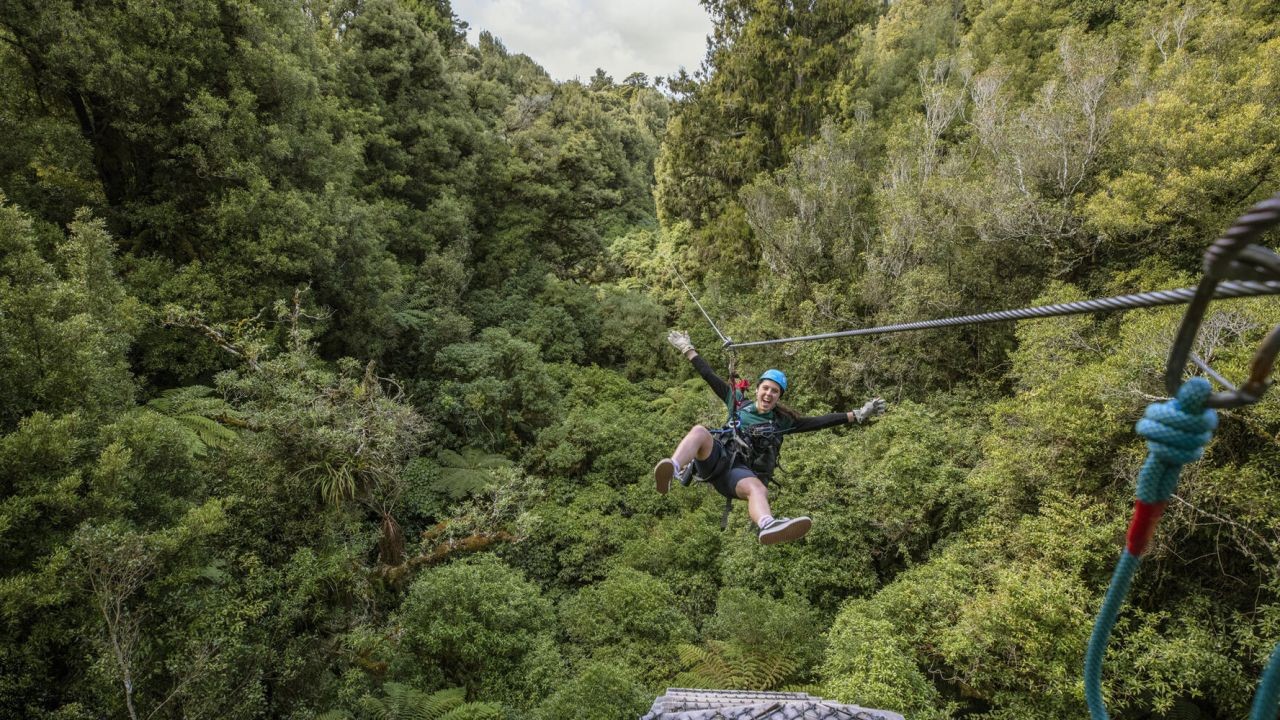
Meet Tom, a travel vlogger who recognized the untapped potential of New Zealand's South Island. With a keen eye for storytelling, he ventured into creating videos that capture the island’s majestic landscapes, from the snow-capped Southern Alps to the serene depths of Lake Tekapo. His channel quickly gained traction, amassing thousands of followers eager to experience New Zealand’s natural wonders through his lens.
Why does this matter? According to the Ministry of Business, Innovation, and Employment (MBIE), New Zealand's tourism industry contributed over $40 billion to the economy in 2019. While the pandemic disrupted these figures, the trend towards digital content consumption has created new avenues for promoting tourism. Travel videos are not just a medium for storytelling—they are a powerful tool to boost tourism and associated economic activities.
In the next five years, the rise of immersive technologies such as virtual reality (VR) and augmented reality (AR) will further enhance how travel experiences are consumed. Imagine exploring the South Island’s Milford Sound through a VR headset, offering a teaser that entices tourists to visit in person. This integration of technology and tourism is poised to increase visitor engagement and spending, a trend supported by a report from NZTech that predicts a 20% increase in tech-adopted tourism experiences by 2028.
Debate & Contrasting Views
While the benefits of travel videos are evident, there is an ongoing debate about the environmental impact of increasing tourism. Critics argue that the surge in visitors, driven by digital marketing, could strain New Zealand's fragile ecosystems. Yet, proponents highlight the economic benefits, noting that increased tourism revenue can fund conservation efforts.
One middle-ground solution proposed by experts is eco-tourism, which emphasizes sustainable travel that minimizes environmental impact while maximizing cultural exchange and economic benefits. By adopting eco-friendly practices, such as carbon offset programs and sustainable accommodations, New Zealand can balance growth with preservation.
Pros vs. Cons Analysis
Pros:
- Economic Growth: Travel videos can significantly boost tourism revenue, supporting local businesses and communities.
- Brand Visibility: High-quality videos increase New Zealand's visibility as a top travel destination.
- Technological Integration: The adoption of VR and AR can enhance the tourist experience, making it more interactive and memorable.
Cons:
- Environmental Concerns: Increased tourism may lead to environmental degradation if not managed sustainably.
- Overtourism Risks: Popular destinations could become overcrowded, diminishing the quality of the tourist experience.
- Resource Allocation: Developing and maintaining digital content requires substantial investment in technology and talent.
Expert Opinion & Thought Leadership
Industry experts like Dr. Emily Roberts, a tourism strategist at the University of Otago, emphasize the importance of leveraging digital content responsibly. "New Zealand has a unique opportunity to lead in sustainable tourism," she notes. "By integrating technology with eco-friendly practices, we can create a model that other countries aspire to follow."
Moreover, a study from Stats NZ highlights that regions like Queenstown and Wanaka have seen a 15% increase in tourism revenue attributed to digital marketing efforts. These figures underscore the potential of strategic video marketing in driving economic growth while remaining conscious of environmental impact.
Real-World Case Study: Queenstown’s Digital Transformation
Queenstown, often dubbed the adventure capital of the world, faced a challenge in diversifying its tourism appeal beyond just adventure sports. The local tourism board collaborated with digital marketers to create a series of travel videos highlighting luxury accommodations, fine dining, and cultural experiences.
Problem: The region was overly reliant on adventure tourism, limiting its appeal to a broader audience.
Action: By producing high-quality videos showcasing luxury experiences, Queenstown repositioned itself as a premium destination.
Result: Within a year, there was a 25% increase in high-net-worth tourists, significantly boosting the local economy and creating new business opportunities.
Takeaway: This case study illustrates the power of digital storytelling in reshaping a destination’s image and attracting diverse tourist demographics. For New Zealand, this approach could be pivotal in maximizing tourism's economic benefits while promoting sustainable practices.
Common Myths & Mistakes
Myth: "All travel videos need to go viral to be effective."
Reality: Success is measured by engagement and conversion rates, not just views. A targeted audience that engages with content is more valuable than a large but passive viewership.
Myth: "Luxury tourism is only for the elite."
Reality: With strategic marketing, luxury experiences can be positioned as aspirational yet attainable, broadening their appeal.
Myth: "Digital marketing is too costly for small tourism businesses."
Reality: Platforms like YouTube and Instagram offer cost-effective ways to reach global audiences, with options to scale budgets according to business size.
Future Trends & Predictions
The future of travel videos lies in personalization and interactivity. As AI and machine learning technologies advance, we can expect more tailored content recommendations that enhance user engagement. Moreover, a report from Deloitte forecasts that by 2030, 60% of tourism marketing will be driven by AI-powered insights, enabling businesses to better understand and cater to tourist preferences.
Another emerging trend is the integration of blockchain technology for secure and transparent travel transactions. This innovation could streamline booking processes, enhance security, and build trust among travelers, further boosting New Zealand’s appeal as a safe and modern destination.
Conclusion
South Island travel videos are more than just captivating visuals; they are a strategic tool for economic growth and sustainable tourism development. By embracing digital storytelling and leveraging emerging technologies, New Zealand can position itself as a leader in the global tourism industry.
Final Takeaway: As a financial advisor, recognizing the potential of digital marketing in tourism can open new avenues for investment and economic development. Encourage your clients to explore opportunities in this burgeoning sector, leveraging the allure of New Zealand's natural beauty.
Call to Action: Interested in learning more about investment opportunities in New Zealand’s tourism industry? Subscribe to our newsletter for the latest insights and strategies to capitalize on this dynamic market.
People Also Ask (FAQ)
- How do South Island travel videos impact New Zealand's economy? Travel videos boost tourism revenue by showcasing the region's natural beauty, attracting international visitors and supporting local businesses.
- What are the biggest misconceptions about travel videos? A common myth is that videos need to go viral to be successful. In reality, engagement and conversion rates are more critical metrics than view counts.
- What future trends could affect travel video marketing in New Zealand? By 2028, AI and VR integration will enhance travel experiences, offering more personalized and interactive content for tourists.
Related Search Queries
- South Island New Zealand travel
- Luxury tourism in New Zealand
- Impact of travel videos on tourism
- Eco-friendly travel in New Zealand
- Digital marketing for tourism
- VR and AR in travel industry
- Future of tourism in New Zealand
- Tourism trends in New Zealand 2025
- New Zealand travel influencer strategies
- Economic impact of tourism in New Zealand
For the full context and strategies on How South Island Travel Videos Showcase Mountains, Lakes, and Luxury Tourism, see our main guide: Wildlife Nature Tourism Videos Aotearoa.