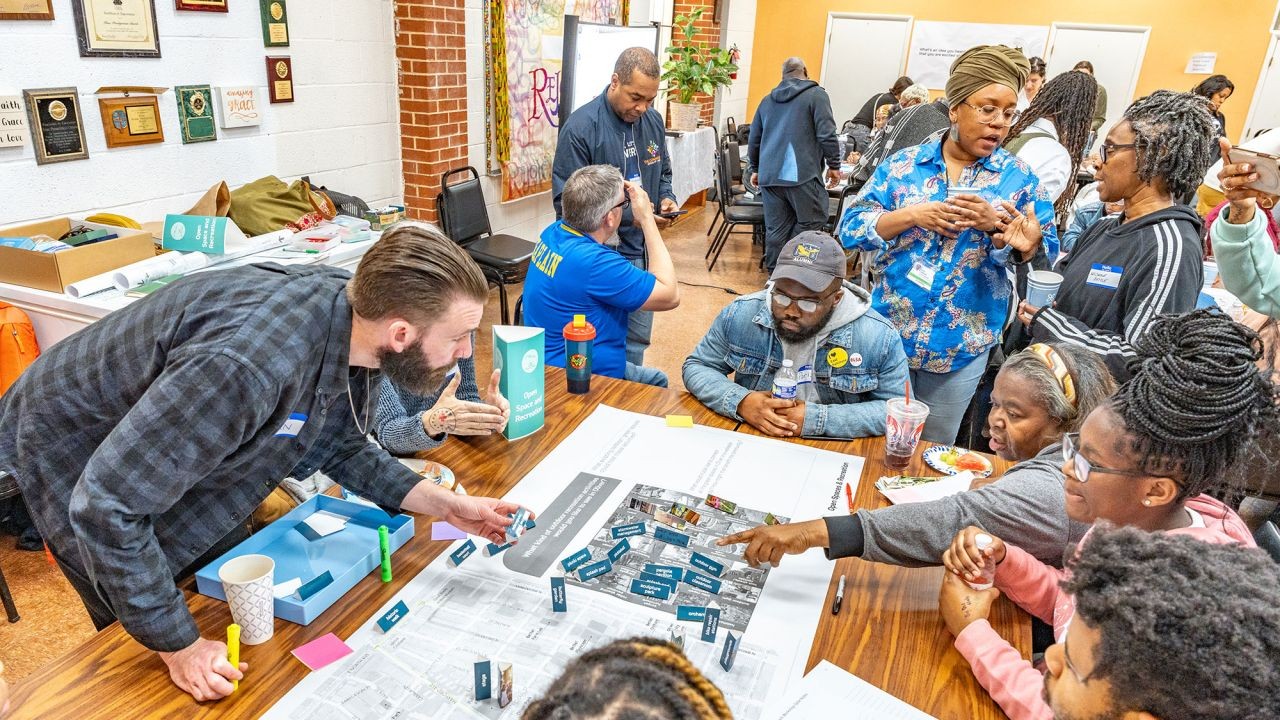





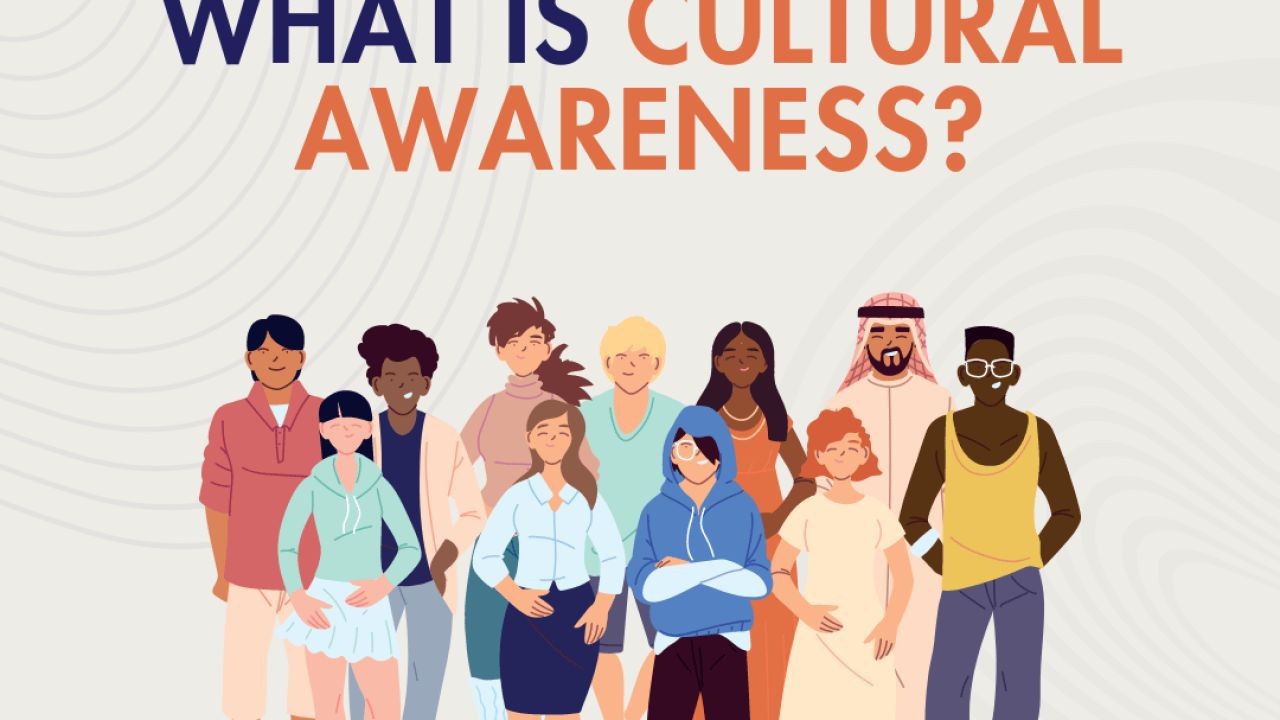
The modern educational landscape in New Zealand is evolving rapidly, and cultural awareness training has emerged as a critical component for educators. In a nation celebrated for its cultural diversity, understanding the intricacies of varied backgrounds is not just a nicety—it's a necessity. But why are cultural awareness training videos, in particular, vital for Kiwi educators? Let's dive into the multifaceted reasons, supported by data and expert insights, that underline their importance.
Future Forecast & Trends
As New Zealand continues to embrace multiculturalism, the educational sector faces unique challenges and opportunities. The Ministry of Education's 2023 report highlights a 30% increase in students from diverse cultural backgrounds over the past five years. This trend is expected to grow, demanding educators to be more culturally adept.
- Trend 1: Increasing Diversity - With Auckland being one of the most culturally diverse cities globally, educators must be prepared to address the needs of students from varied ethnic backgrounds.
- Trend 2: Digital Transformation - The integration of digital tools in education, accelerated by the pandemic, has necessitated innovative training methods, such as videos, to facilitate continuous learning.
- Trend 3: Policy Support - The New Zealand Government's push for inclusive education policies underscores the need for cultural competence, making training videos a practical solution.
Debate & Contrasting Views
The debate around cultural awareness training often centers on its effectiveness and implementation methods. Two primary perspectives emerge:
Advocate View
Proponents argue that training videos offer a scalable and engaging method to educate a broad audience. They cite numerous benefits:
- Cost-Effectiveness: Videos eliminate the need for repeated in-person training sessions, reducing costs significantly.
- Consistency: A standardized video ensures uniformity in the training material delivered.
- Accessibility: Videos can be accessed anytime, allowing educators to learn at their own pace.
Critic View
On the flip side, critics question the depth of engagement and personalized learning that videos can provide:
- Lack of Interaction: Videos do not allow for real-time questions and discussions, which are crucial for in-depth understanding.
- One-Size-Fits-All: The uniform nature of videos might not cater to individual learning styles or specific cultural nuances.
The middle ground suggests complementing videos with interactive workshops or discussions to enhance learning outcomes.
Expert Opinion & Thought Leadership
Dr. Sarah Thompson, an education strategist at the University of Auckland, emphasizes the importance of cultural awareness in the classroom: "As educators, understanding our students' backgrounds is crucial for fostering an inclusive environment that promotes learning and respect."
Moreover, a report from Stats NZ indicates that schools with cultural training programs have seen a 20% improvement in student engagement levels. This data underscores the tangible benefits of such initiatives.
Real-World Case Studies
Case Study: Auckland Grammar School – Embracing Cultural Diversity
Problem: Auckland Grammar School faced challenges in engaging students from diverse backgrounds, leading to a noticeable gap in academic performance.
Action: The school implemented cultural awareness training videos as part of their professional development program for teachers.
Result: Within a year, the school reported a 15% increase in student participation and a 10% reduction in absenteeism. Teachers also noted a more inclusive classroom environment.
Takeaway: This case study highlights the effectiveness of integrating cultural awareness training videos in enhancing both student and teacher experiences.
Common Myths & Mistakes
Several misconceptions surround cultural awareness training. Let's debunk a few:
- Myth: "Cultural training is only about learning languages." Reality: It's about understanding cultural norms, values, and communication styles, not just languages.
- Myth: "Videos are a passive form of learning." Reality: Interactive video platforms allow for quizzes and feedback, making learning more dynamic.
- Myth: "All cultural training is the same." Reality: Effective training is tailored to the specific cultural contexts and needs of the audience.
Future Trends & Predictions
Looking ahead, cultural awareness training is set to become even more integral to New Zealand's education system. By 2026, it's predicted that 60% of schools will incorporate such training into their regular curriculum, driven by policy changes and societal demands for inclusivity (Source: MBIE).
Conclusion
In conclusion, cultural awareness training videos are not just a supplementary tool but a vital component for educators in New Zealand. They provide a scalable, cost-effective, and engaging way to prepare educators for the diverse classrooms of the future. As the educational landscape continues to evolve, embracing these tools will be crucial for fostering inclusive and effective learning environments.
Call to Action: Are you an educator or school administrator? Consider implementing cultural awareness training videos in your professional development programs. Share your experiences or insights in the comments below!
Related Search Queries
- cultural awareness training for educators
- importance of cultural diversity in education
- New Zealand education trends 2023
- inclusive education policies in NZ
- digital tools for teacher training
People Also Ask
How does cultural awareness impact New Zealand educators? Cultural awareness helps educators create inclusive and engaging learning environments, improving student participation and reducing absenteeism.
What are the biggest misconceptions about cultural awareness training? One misconception is that it's solely about language learning, but it encompasses understanding cultural values and communication styles.
For the full context and strategies on Why Cultural Awareness Training Videos Are Vital for Kiwi Educators, see our main guide: Video Learning Resources Nz Students.