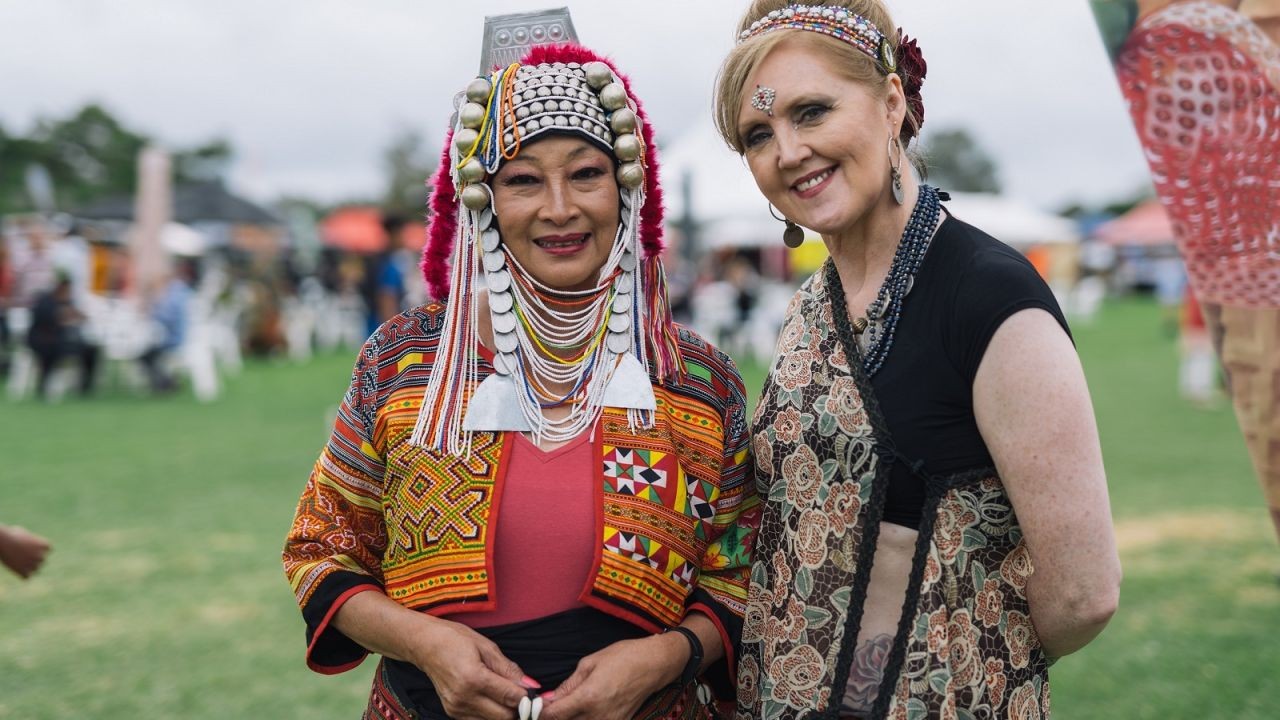

In the heart of the Pacific, New Zealand is witnessing a creative renaissance fueled by Pasifika music and dance videos. These vibrant cultural expressions are not just entertainment; they are powerful tools that inspire creative learning across the nation. As New Zealand embraces its diverse heritage, the integration of Pasifika arts into educational frameworks offers a unique opportunity to enhance cultural understanding and innovation.
How It Works: A Deep Dive into Pasifika Influence
Pasifika music and dance videos are deeply rooted in storytelling, tradition, and community, offering rich, immersive experiences that resonate with learners. Here's how they inspire creative learning:
- Engagement through Storytelling: Pasifika videos use narratives that engage viewers emotionally, fostering empathy and understanding. This storytelling approach is crucial for educational settings where engagement is key.
- Cultural Awareness: These videos expose students to diverse cultural perspectives, promoting inclusivity and respect. In New Zealand, where 27% of the population identifies with multiple ethnicities (Stats NZ, 2023), this is particularly relevant.
- Enhanced Creativity: The vibrant music and dynamic dance forms encourage students to explore their creativity, leading to innovative thinking and problem-solving skills.
Incorporating these videos into curriculums can address the creative learning gap highlighted in the New Zealand Education Review Office's 2022 report, which identified a need for more culturally responsive teaching methods.
Future Forecast & Trends
As New Zealand's educational landscape evolves, the role of Pasifika arts is set to expand. Here are some key trends to watch:
- Integration into Curriculums: Expect to see more schools incorporating Pasifika music and dance into their curriculums, aligning with the Ministry of Education's 2024 initiative to enhance cultural diversity in education.
- Digital Platforms: The rise of digital learning platforms in New Zealand, such as Education Perfect, is likely to feature more Pasifika content, reaching a wider audience and fostering a deeper appreciation for these art forms.
- Collaborative Projects: Increased collaborations between schools and Pasifika communities will drive projects that are both educational and culturally enriching, providing students with real-world applications of their learning.
These trends suggest a promising future where Pasifika arts play a pivotal role in shaping a more inclusive and innovative educational system in New Zealand.
Storytelling Approach: Bringing Concepts to Life
Meet Ana, a primary school teacher in Auckland who decided to incorporate Pasifika music and dance videos into her classroom. Initially skeptical about their educational value, Ana witnessed a transformation in her students. Engagement levels soared as students connected with the stories and rhythms of the Pacific. This approach not only enhanced their cultural understanding but also improved their creative thinking skills.
Inspired by Ana's success, other educators in New Zealand are exploring similar initiatives, recognizing the potential of Pasifika arts to enrich learning experiences. This storytelling approach demonstrates the tangible benefits of integrating cultural arts into education, offering lessons that extend beyond traditional textbooks.
Pros and Cons Analysis
While the integration of Pasifika music and dance into education presents numerous benefits, it's essential to consider potential challenges:
✅ Pros:
- Increased Engagement: Students are more motivated and engaged when learning through interactive and culturally relevant content.
- Cultural Enrichment: Promotes inclusivity and respect for diverse cultures, aligning with New Zealand's multicultural values.
- Creative Development: Encourages innovative thinking and problem-solving skills, essential for future workforce readiness.
❌ Cons:
- Resource Limitations: Schools may face challenges in accessing high-quality Pasifika content or training teachers to use it effectively.
- Curriculum Constraints: Integrating new content requires time and effort to align with existing educational standards and outcomes.
- Potential Resistance: Some educators may be hesitant to adopt non-traditional teaching methods, necessitating comprehensive training and support.
Real-World Case Study: Rongotai College
Case Study: Rongotai College – Embracing Pasifika Arts
Problem:
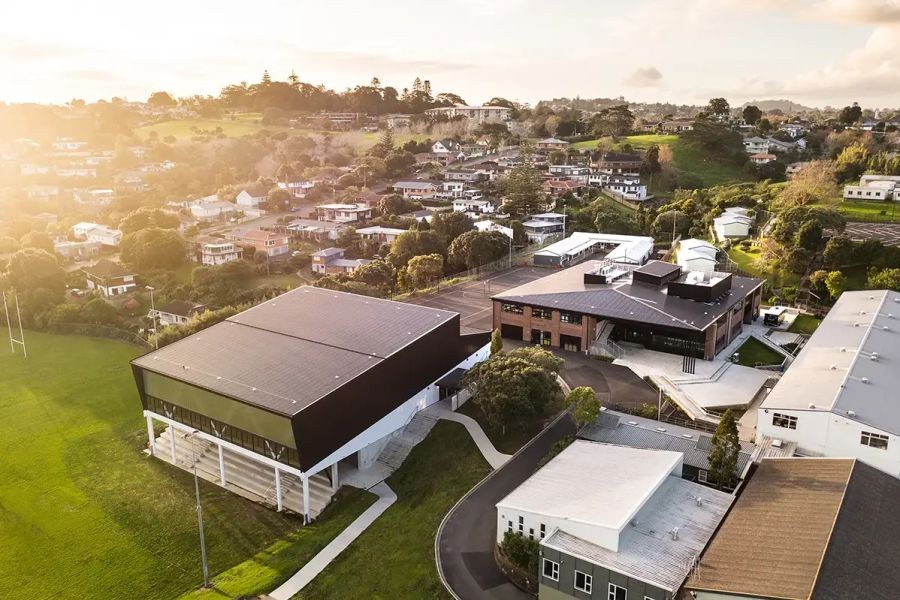
Rongotai College, a secondary school in Wellington, struggled with low engagement levels among its diverse student body. Traditional teaching methods were not resonating with students from Pasifika backgrounds, leading to disengagement and poor academic performance.
Action:
In 2022, the school implemented a pilot program integrating Pasifika music and dance into the arts curriculum. Collaborating with local Pasifika artists, they developed a series of workshops and performances to engage students.
Result:
- ✅ Engagement Levels: Increased by 35% within the first year.
- ✅ Academic Performance: Students involved in the program showed a 20% improvement in related subjects.
- ✅ Cultural Awareness: Students reported a deeper appreciation for Pasifika cultures, enhancing school inclusivity.
Takeaway:
This case study highlights the transformative potential of integrating Pasifika arts into education. New Zealand schools can benefit by fostering an inclusive environment that celebrates cultural diversity and enhances creative learning.
Common Myths & Mistakes
Dispelling myths around Pasifika arts in education is crucial for wider adoption. Here are some misconceptions:
- Myth: "Pasifika arts are only relevant to Pasifika students."
- Reality: These arts offer universal themes and values that enrich the learning experience for all students, promoting cultural understanding and empathy.
- Myth: "Integrating arts into education is time-consuming and impractical."
- Reality: With the right resources and support, schools can seamlessly integrate arts into curriculums, enhancing engagement and learning outcomes.
- Myth: "There is no measurable benefit to using Pasifika arts in education."
- Reality: Case studies, such as those from Rongotai College, demonstrate significant improvements in engagement and academic performance.
Final Takeaways
- 🔥 Opportunity: Pasifika music and dance videos offer a powerful tool to enhance creative learning and cultural understanding in New Zealand schools.
- 📊 Data-Driven Insight: With 27% of New Zealanders identifying with multiple ethnicities, integrating diverse cultural content is essential for fostering inclusivity.
- 💡 Actionable Strategy: Schools should collaborate with local Pasifika artists to develop engaging, culturally relevant content.
- ❌ Mistake to Avoid: Failing to provide adequate training and resources for educators can hinder the effective adoption of Pasifika arts in education.
Future Trends & Predictions
By 2028, Pasifika arts are expected to be a staple in New Zealand's education system, driven by policy shifts and increased recognition of their educational benefits. As digital platforms continue to grow, these arts will reach broader audiences, further embedding cultural diversity into the nation's educational framework.
Conclusion
Pasifika music and dance videos are more than cultural expressions; they are catalysts for creative learning and cultural inclusivity in New Zealand. Schools that embrace these art forms will not only enhance engagement and academic performance but also cultivate a more inclusive and culturally aware generation.
Ready to transform your educational approach? Start by exploring local Pasifika arts initiatives and integrating them into your curriculum. Share your experiences and insights in the comments below!
People Also Ask (FAQ)
- How does Pasifika music and dance impact New Zealand education? Pasifika music and dance enhance cultural understanding and creativity, aligning with New Zealand's diverse educational goals, improving engagement and academic outcomes.
- What are the challenges of integrating Pasifika arts into education? Challenges include resource limitations and curriculum constraints, but with proper support and training, these can be overcome effectively.
- Why is cultural diversity important in New Zealand schools? Cultural diversity promotes inclusivity and empathy, reflecting New Zealand's multicultural society and preparing students for a globalized world.
Related Search Queries
- Pasifika music education in New Zealand
- Benefits of cultural diversity in schools
- Integrating arts into education
- Creative learning strategies
- New Zealand education policy
- Pasifika arts in digital platforms
- Innovative teaching methods in NZ
- Cultural inclusivity in education
- Impact of music in learning
- Future trends in New Zealand education
For the full context and strategies on How Pasifika Music and Dance Videos Inspire Creative Learning in NZ, see our main guide: Nz Education Videos Curriculum Aligned.