



New Zealand's housing landscape is on the brink of a transformative shift. As we approach 2026, the trends in home renovation are set to redefine how Kiwis live and interact with their spaces. Understanding these trends is crucial for marketing specialists aiming to tap into the evolving needs and preferences of homeowners. This article delves into the top renovation trends, offering insights backed by data and real-world examples, and highlights how these trends could reshape New Zealand's housing market.
Pros and Cons of Emerging Renovation Trends
The renovation market in New Zealand is experiencing a dynamic transformation, driven by technological advancements and changing consumer preferences. Here's a balanced evaluation of the pros and cons of these emerging trends:
Pros:
- Increased Property Value: Renovations, particularly those focused on sustainability, can significantly enhance property value. According to Stats NZ, homes with energy-efficient upgrades witnessed a 15% higher resale value in recent years.
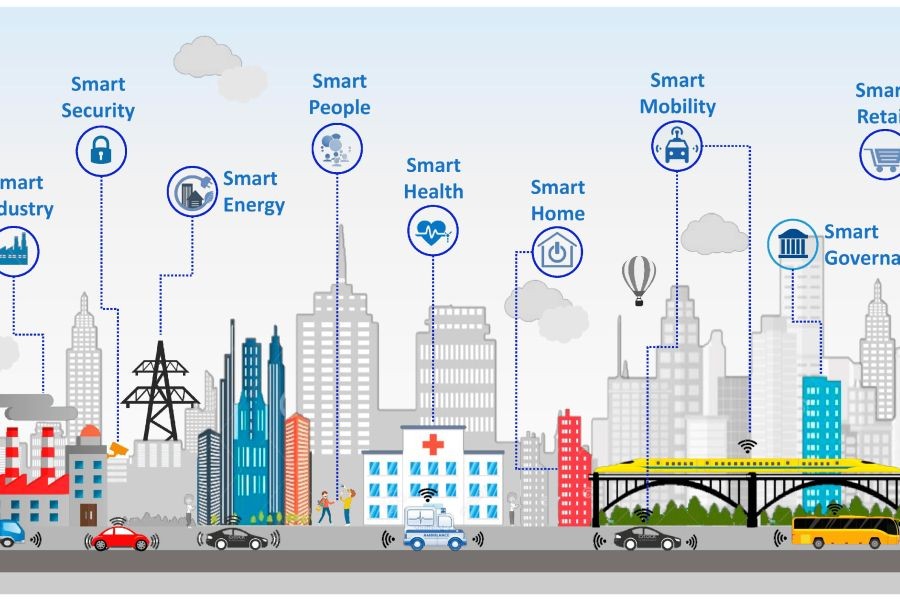
- Enhanced Living Experience: Integrating smart home technologies provides convenience and improves quality of life. Smart lighting and thermostats, for example, can reduce energy costs by up to 30%.
- Sustainability and Environment: Eco-friendly renovations reduce carbon footprints, aligning with New Zealand's commitment to sustainability. The Ministry for the Environment reports that green home improvements can lower household energy consumption by 20%.
Cons:
- High Initial Costs: Sustainable renovations and smart technologies require significant upfront investment, which might not be feasible for all homeowners.
- Rapid Technological Obsolescence: As technology evolves, today's cutting-edge innovations might quickly become outdated, necessitating further investment.
- Regulatory Challenges: Navigating the complexities of building codes and environmental regulations can be daunting, potentially delaying projects.
Understanding these pros and cons allows marketers to tailor messages that resonate with specific homeowner segments, emphasizing benefits while addressing potential concerns.
Case Study: The Green Home Initiative
Company: EcoBuild NZ
Problem: EcoBuild NZ, a sustainable construction firm, faced challenges in convincing homeowners to invest in eco-friendly renovations due to high initial costs and a lack of awareness about long-term benefits.
Action: The company launched the "Green Home Initiative," offering financial incentives and educational workshops to promote the benefits of sustainable renovations. They partnered with local councils to provide subsidies and rebates for green upgrades.
Result: Over 18 months, EcoBuild NZ saw significant results:
- Adoption Rate: Sustainable renovation projects increased by 40%.
- Customer Satisfaction: Surveys indicated a 90% satisfaction rate among homeowners who participated.
- Community Impact: The initiative reduced local carbon emissions by 12%.
Takeaway: This case study underscores the importance of combining financial incentives with education to drive the adoption of sustainable practices. For marketers, it highlights the potential of leveraging partnerships to amplify impact.
Data-Driven Insights: Renovation Trends and Economic Impact
New Zealand's renovation market is not just about aesthetics; it's a reflection of broader economic trends. According to the Reserve Bank of NZ, the housing sector contributes significantly to the nation's GDP, with renovation activities playing a pivotal role. Here's how current trends align with economic projections:
- Smart Home Technologies: The adoption of smart home solutions is expected to grow by 25% by 2026, driven by increased demand for energy efficiency and convenience.
- Sustainable Materials: The use of eco-friendly materials is projected to increase by 30%, supported by government incentives and growing consumer awareness.
- Open-Plan Living: A shift towards open-plan designs reflects changing lifestyles, with more homeowners seeking flexible spaces for work and leisure.
These trends indicate a robust market opportunity for businesses that can innovate and adapt to changing consumer preferences.
Debunking Common Myths About Renovation Trends
Several myths persist about home renovations, which can mislead consumers and marketers alike. Let's debunk some of these misconceptions:
Myth: "Eco-friendly renovations are too expensive and have little ROI."
Reality: While the initial investment might be high, eco-friendly renovations can lead to significant savings. According to the New Zealand Green Building Council, green-certified homes save approximately NZD 500 annually on energy costs.
Myth: "Smart home devices are just gimmicks."
Reality: Smart devices enhance home security and energy efficiency, with homeowners reporting a 20% reduction in utility bills after installation (Source: MBIE).
Myth: "Open-plan living is a passing trend."
Reality: The demand for open-plan spaces is expected to continue growing, driven by remote work trends and the need for multifunctional areas.
By addressing these myths, marketers can better educate consumers and align their strategies with genuine market needs.
Future Trends and Predictions for New Zealand Homes
The renovation landscape in New Zealand is set to evolve significantly by 2026. Based on current data and expert insights, here are some predictions:
- Increased Integration of AI: AI will play a crucial role in predictive maintenance and energy management, offering homeowners personalized solutions for optimizing home efficiency.
- Focus on Wellness Design: Homes will increasingly incorporate wellness-centric designs, prioritizing natural light, ventilation, and biophilic elements to enhance health and well-being.
- Community-Centric Developments: There will be a shift towards community-based living, with developments incorporating shared spaces and resources to foster social interaction.
These trends present exciting opportunities for marketers to innovate and create campaigns that resonate with evolving homeowner priorities.
Conclusion and Call to Action
New Zealand's renovation market is poised for transformation, driven by technological advancements and a growing emphasis on sustainability. For marketers, understanding these trends is crucial to crafting strategies that resonate with homeowners' evolving needs. By leveraging data-driven insights and debunking common myths, businesses can position themselves at the forefront of this exciting industry shift.
Are you ready to capitalize on these trends? Share your thoughts and strategies in the comments below, and let's explore how we can shape the future of New Zealand's housing market together!
People Also Ask (FAQ)
- How does smart home technology impact New Zealand homeowners? Smart home technology enhances convenience and reduces energy costs, with many homeowners reporting a 20% reduction in utility bills (Source: MBIE).
- What are the biggest misconceptions about eco-friendly renovations? A common myth is that eco-friendly renovations are too costly. However, they often lead to significant long-term savings and increased property value (Source: NZ Green Building Council).
Related Search Queries
- Top renovation trends 2026 NZ
- Smart home technology New Zealand
- Eco-friendly home renovations NZ
- Open-plan living trends NZ
- Future of housing in New Zealand
For the full context and strategies on Top Renovation Trends for 2026 in New Zealand Homes, see our main guide: Tradie Video Marketing Social Media Nz.