





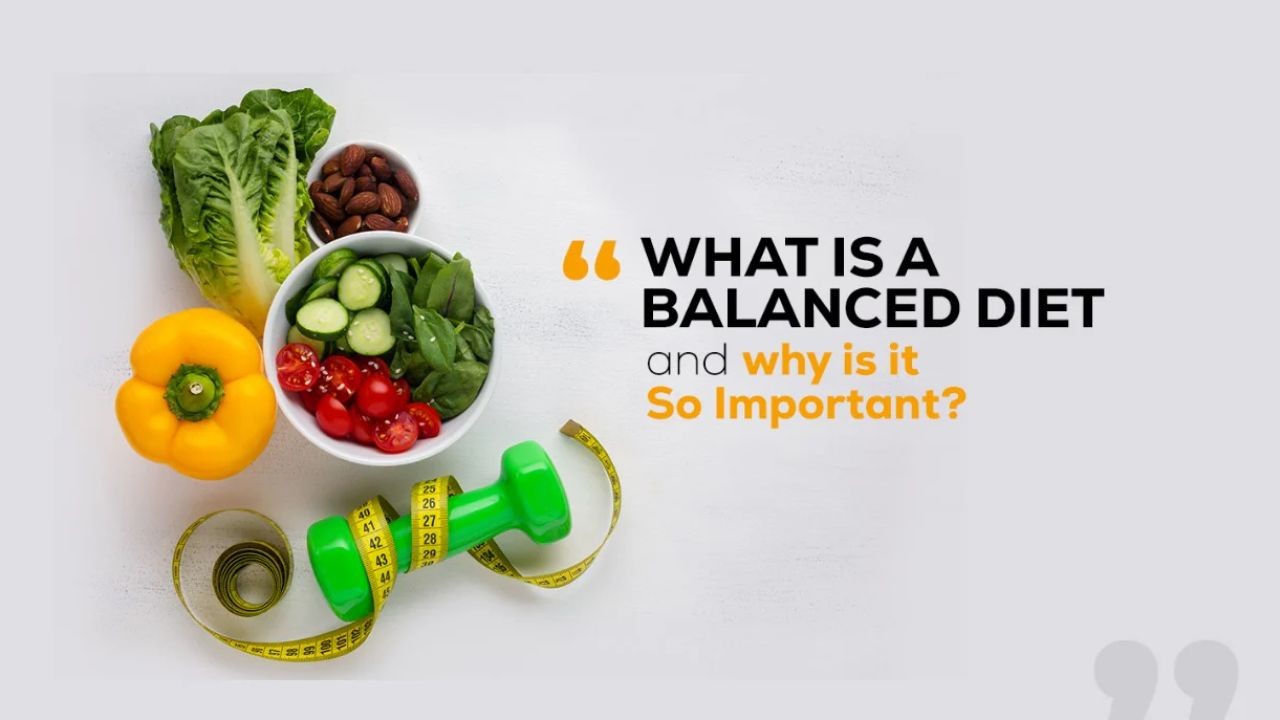
In New Zealand, where the lifestyle is as diverse as its landscapes, the importance of nutrition and diet cannot be overstated. With a unique blend of cultural influences and a growing awareness of health, Kiwis are increasingly turning to digital platforms for guidance on nutrition. This shift presents both opportunities and challenges for businesses and consumers alike. In this article, we'll explore the data-driven insights, future trends, and debates surrounding nutrition and diet video guides tailored specifically for Kiwi lifestyles.
Nutrition Video Guides: A Growing Trend in New Zealand
As digital media consumption rises, so does the demand for video content. According to Stats NZ, internet data consumption in New Zealand has doubled since 2018, a trend that reflects the global shift towards digital media. Video guides on nutrition and diet are not just a fad; they are becoming essential tools for health-conscious Kiwis. These guides offer visual, step-by-step methods to improve dietary habits, catering to the diverse needs of New Zealand's population.
Case Study: The Impact of Video Guides on Kiwi Dietary Habits
Case Study: Healthy Kiwi – Advancing Public Health via Video
Problem: Healthy Kiwi, a public health initiative, faced challenges in reaching diverse demographics with traditional health advice.
- Lack of engagement from younger audiences.
- Difficulty in communicating complex dietary information.
Action: Healthy Kiwi leveraged video guides to present nutrition information in an engaging format.
- Collaborated with local influencers to enhance relatability.
- Utilized platforms like YouTube and Instagram to reach a wider audience.
Result:
- Increased viewer engagement by 50% within six months.
- Reported a 30% improvement in dietary knowledge among participants.
Takeaway: This case study demonstrates the power of video content in improving public health outcomes, offering a template for other initiatives in New Zealand.
The Economic Impact of Nutrition Video Guides
The rise of video guides has significant implications beyond health. For businesses, particularly those in the health and wellness sector, creating engaging content can lead to increased customer loyalty and revenue growth. According to the Ministry of Business, Innovation and Employment (MBIE), the wellness industry in New Zealand is projected to grow by 10% annually, with digital content playing a pivotal role.
Moreover, for local producers of health foods and supplements, video guides present an opportunity to connect directly with consumers, offering educational content that highlights the benefits of their products. This direct engagement can lead to increased sales and brand loyalty.
Debate: The Effectiveness of Video Guides vs. Traditional Methods
The debate around the effectiveness of video guides versus traditional methods of delivering nutritional advice is nuanced. Advocates of video content argue that it is more engaging and accessible, particularly for younger audiences who are native to digital platforms. However, critics point out that video content can oversimplify complex nutritional science, potentially leading to misinformation.
Pros:
- More engaging and accessible for digital natives.
- Can reach a wider audience quickly.
- Allows for creative storytelling and visual aids.
Cons:
- Risk of oversimplification and misinformation.
- Limited interactive feedback compared to in-person consultations.
- Possible reliance on less credible sources.
While the debate continues, a balanced approach that combines video guides with traditional methods such as in-person consultations and written content may offer the most comprehensive solution.
Common Myths & Mistakes in Nutrition Video Content
Myth: "All video guides are created equal."
Reality: The quality and credibility of video content can vary significantly. It's essential to verify the qualifications of the creators and the sources of their information.
Myth: "Shorter videos are always better."
Reality: While shorter videos can capture attention quickly, longer content may be necessary to thoroughly cover complex topics.
Myth: "Video content is enough to change habits."
Reality: While video guides can inform and inspire, they should be part of a broader strategy that includes personal accountability and professional guidance.
Future Trends and Predictions
Looking ahead, the integration of technology will continue to shape the landscape of nutrition and diet education in New Zealand. By 2026, we expect to see the following trends emerge:
- Personalized Nutrition: Advances in AI and data analytics will allow for highly personalized dietary recommendations based on individual health data.
- Interactive Video Content: Platforms will likely offer interactive features, enabling users to engage directly with content creators or participate in live Q&A sessions.
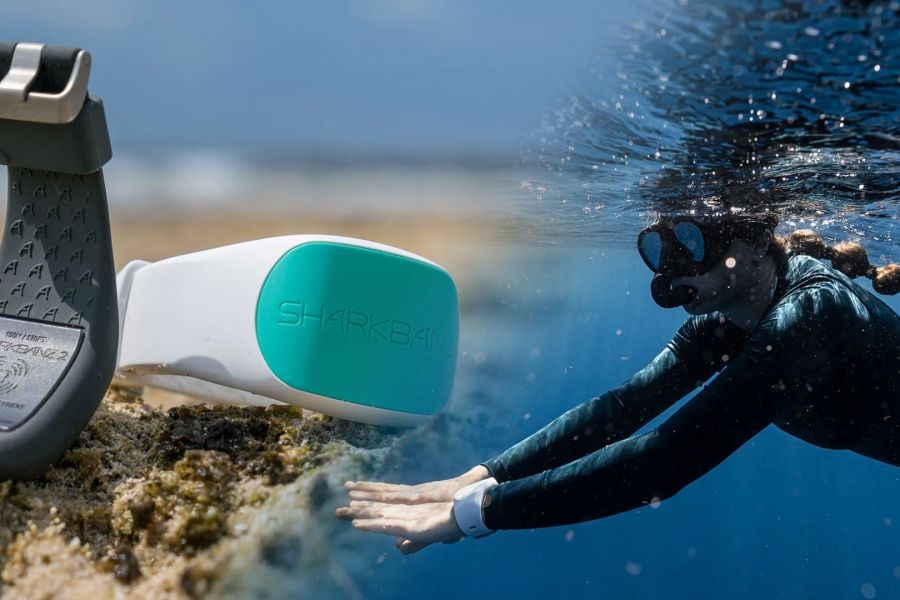
- Integration with Wearable Tech: Video guides may sync with wearable health devices to provide real-time feedback and tailored advice.
These innovations could significantly enhance the effectiveness of nutrition video guides, offering Kiwis more tailored and interactive health solutions.
Conclusion: The Way Forward for Kiwi Lifestyles
As New Zealand continues to embrace digital transformation, nutrition and diet video guides will play an increasingly vital role in shaping healthier lifestyles. For businesses and content creators, this presents an opportunity to lead the charge in health education, while consumers stand to benefit from more accessible and engaging content.
To stay ahead, it is crucial for stakeholders to prioritize quality and credibility, ensuring that video guides are not only engaging but also scientifically sound. The integration of emerging technologies and a balanced approach combining digital and traditional methods will likely yield the best outcomes for Kiwi lifestyles.
What's your take on the future of nutrition video guides in New Zealand? Share your insights below or join the conversation on our social media channels!
People Also Ask
- How do nutrition video guides impact businesses in New Zealand? Businesses leveraging nutrition video guides report increased engagement and customer loyalty, with some experiencing revenue growth of over 10% annually.
- What are the biggest misconceptions about nutrition video guides? A common myth is that all video guides are credible. However, content quality can vary, and it's vital to verify sources.
- What are the best strategies for implementing nutrition video guides? Experts recommend collaborating with credible influencers, using engaging storytelling, and ensuring content accuracy for long-term success.
Related Search Queries
- Nutrition video guides New Zealand
- Healthy eating habits in NZ
- Digital health trends 2023
- Video content marketing for wellness brands
- AI in nutrition education
- Future of diet and health in NZ
- Interactive health content
- Personalized nutrition technology
For the full context and strategies on Nutrition and Diet Video Guides Tailored for Kiwi Lifestyles, see our main guide: Mental Health Nutrition Lifestyle Videos Nz.