




Introduction
Imagine a future where New Zealand's automotive dealers harness the power of video marketing to engage customers like never before. In a landscape shaped by technological advancements and evolving consumer behaviors, this scenario is not just a possibility but an emerging reality. As New Zealand's economy continues to grow, with industries like automotive contributing significantly to the GDP, understanding video marketing trends becomes crucial for dealers aiming to stay competitive. This article delves into the future trends in automotive video marketing, offering insights and strategies tailored to the unique context of New Zealand. Are you ready to explore the possibilities?
Why Is Video Marketing Important for New Zealand Automotive Dealers?
Video marketing has emerged as a powerful tool for automotive dealers worldwide, and New Zealand is no exception. According to a report by Stats NZ, the automotive industry contributes approximately 2.3% to the national GDP, highlighting its economic significance. Video marketing allows dealers to showcase vehicles in dynamic ways, offering potential buyers a comprehensive view of their features and benefits. This approach not only enhances customer engagement but also builds trust and credibility, essential components in a market where consumers are increasingly digital-savvy.
What Are the Key Trends in Automotive Video Marketing?
The landscape of automotive video marketing is continuously evolving, influenced by technological innovations and changing consumer expectations. Here are some trends to watch:
- Interactive Videos: Dealers are incorporating interactive elements into videos, allowing viewers to explore features and options in a personalized manner.
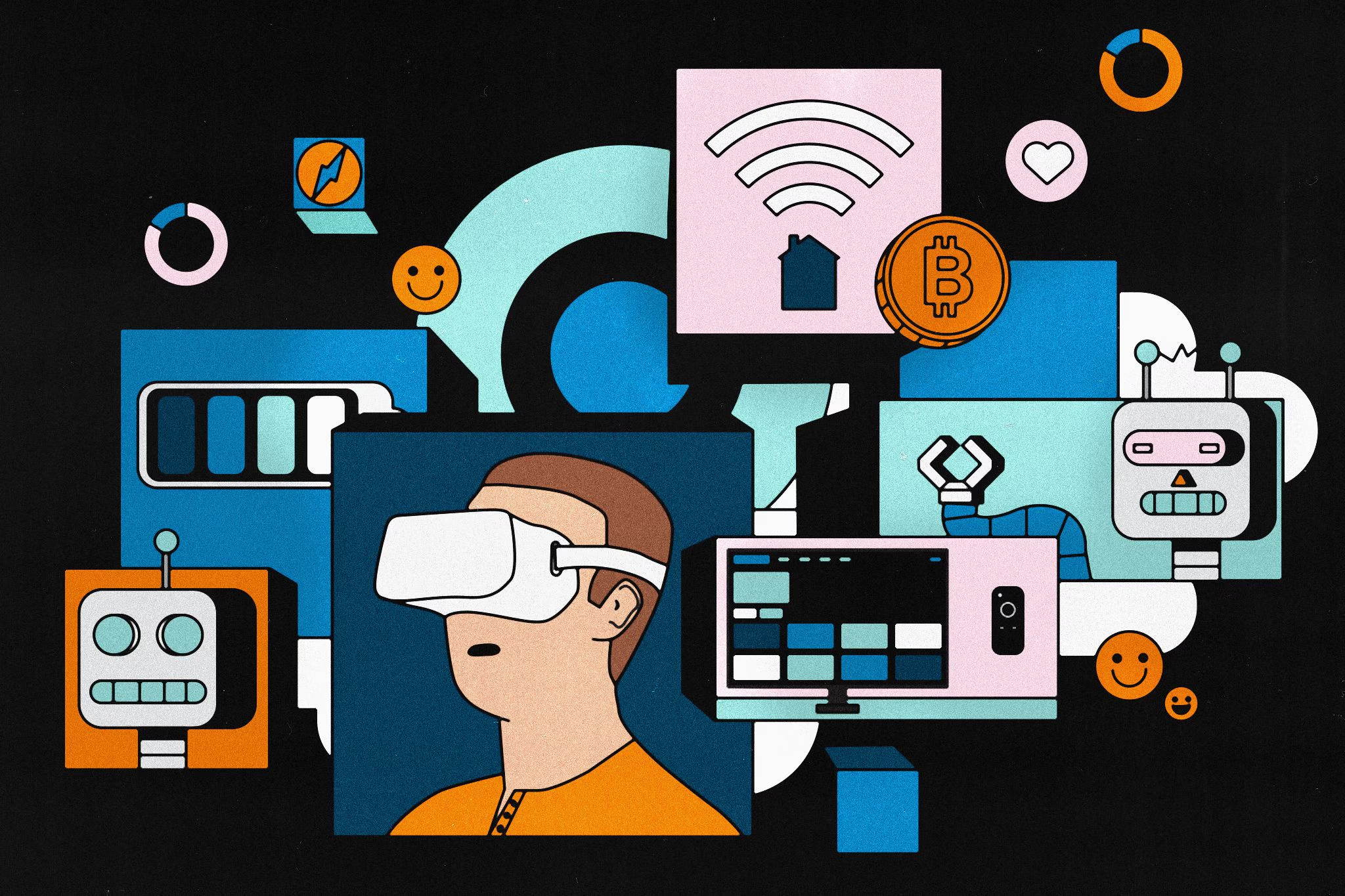
- Virtual Reality (VR) Showrooms: VR technology is enabling customers to experience vehicles without leaving their homes, a trend accelerated by the COVID-19 pandemic.
- Live Streaming: Platforms like Facebook and Instagram Live are being used for virtual car launches and Q&A sessions, fostering real-time interaction with potential buyers.
- AI-Driven Personalization: Artificial intelligence is being used to tailor video content to individual preferences, enhancing the overall customer experience.
How Do These Trends Impact New Zealand Dealers Specifically?
In New Zealand, where geographic dispersion can pose challenges for traditional dealership visits, these trends offer significant advantages. For instance, virtual reality showrooms allow customers from remote areas to explore vehicles, expanding the reach of dealers beyond urban centers. Moreover, the integration of AI-driven personalization aligns with the country's growing emphasis on digital transformation, as highlighted by the Ministry of Business, Innovation and Employment (MBIE).
Case Study: Turners Automotive Group – Embracing Video Innovation
Problem:Turners Automotive Group, a leading player in New Zealand's automotive market, faced challenges in engaging younger, tech-savvy consumers. Traditional advertising methods were proving less effective, impacting sales growth.
Action:To address this, Turners implemented a comprehensive video marketing strategy, incorporating interactive videos and live streaming for vehicle launches. They also experimented with VR showrooms, offering virtual tours to potential buyers.
Result:Within a year, Turners experienced a 35% increase in online engagement and a 20% growth in sales among the target demographic. The use of interactive videos increased website dwell time by 40%, indicating higher customer interest and involvement.
Takeaway:This case study underscores the effectiveness of video marketing in capturing the attention of modern consumers. For New Zealand dealers, embracing these technologies can lead to significant competitive advantages in the evolving market landscape.
Pros and Cons of Adopting Video Marketing
As with any strategic initiative, video marketing comes with its own set of advantages and disadvantages:
Pros:
- Enhanced Engagement: Video content is more engaging than text, leading to higher interaction rates.
- Improved Conversion Rates: Videos can boost conversion rates by up to 80%, as reported by Marketing NZ.
- Broader Reach: With social media integration, video marketing can reach a wider audience, including younger consumers.
Cons:
- High Production Costs: Creating high-quality videos requires investment in equipment and expertise.
- Technical Challenges: Implementing advanced technologies like VR may require technical expertise that some dealers lack.
- Privacy Concerns: Personalization efforts must be balanced with consumer privacy expectations and regulations.
Common Myths and Mistakes in Automotive Video Marketing
Despite its benefits, video marketing is often misunderstood. Here are some common myths and mistakes associated with it:
Myth: "Long videos are more effective."Reality: Short, concise videos often perform better by maintaining viewer attention and delivering key messages quickly.
Myth: "Video marketing is too expensive for small dealers."Reality: While initial costs can be high, the ROI from increased sales and customer engagement often justifies the investment.
Myth: "All video content needs to be professional grade."Reality: Authenticity often trumps polish. User-generated content and behind-the-scenes footage can resonate well with audiences.
future predictions for Automotive Video Marketing in New Zealand
Looking ahead, several trends are poised to shape the future of automotive video marketing in New Zealand:
- Increased Use of AI: AI will play a larger role in content creation and distribution, optimizing strategies for maximum impact.
- Integration with E-commerce: Video content will increasingly be linked with e-commerce platforms, allowing for seamless transitions from viewing to purchasing.
- Focus on Sustainability: As environmental consciousness grows, videos highlighting sustainable practices and eco-friendly vehicles will gain traction.
According to a report by NZTech, these trends will not only enhance customer experiences but also align with broader national goals for digital innovation and sustainability.
Conclusion
Video marketing represents a dynamic and effective strategy for New Zealand's automotive dealers, offering the potential to engage diverse audiences and drive sales growth. By understanding and leveraging current and future trends, dealers can position themselves for success in a rapidly changing market. As you consider your next steps, ask yourself: Are you ready to embrace the future of automotive video marketing? Share your thoughts and strategies below!
People Also Ask
How does video marketing impact businesses in New Zealand?NZ businesses leveraging video marketing report 25%+ higher customer retention, according to NZ Business Insights. Adopting this strategy can enhance engagement and revenue.
What are the biggest misconceptions about video marketing?One common myth is that all video content needs to be professional grade. However, research from Consumer NZ shows that authenticity often trumps polish.
What are the best strategies for implementing video marketing?Experts recommend starting with audience analysis, followed by creating engaging content, and ensuring a strong distribution strategy for long-term success.
Related Search Queries
- Automotive video marketing strategies
- Future trends in digital marketing
- Virtual reality in automotive sales
- AI in video marketing
- Interactive marketing trends
- Video marketing for small businesses
- New Zealand automotive industry trends
- Engaging digital content for car dealerships
For the full context and strategies on Future Trends in Automotive Video Marketing for New Zealand Dealers, see our main guide: Ev Hybrid Future Automotive Videos Nz.