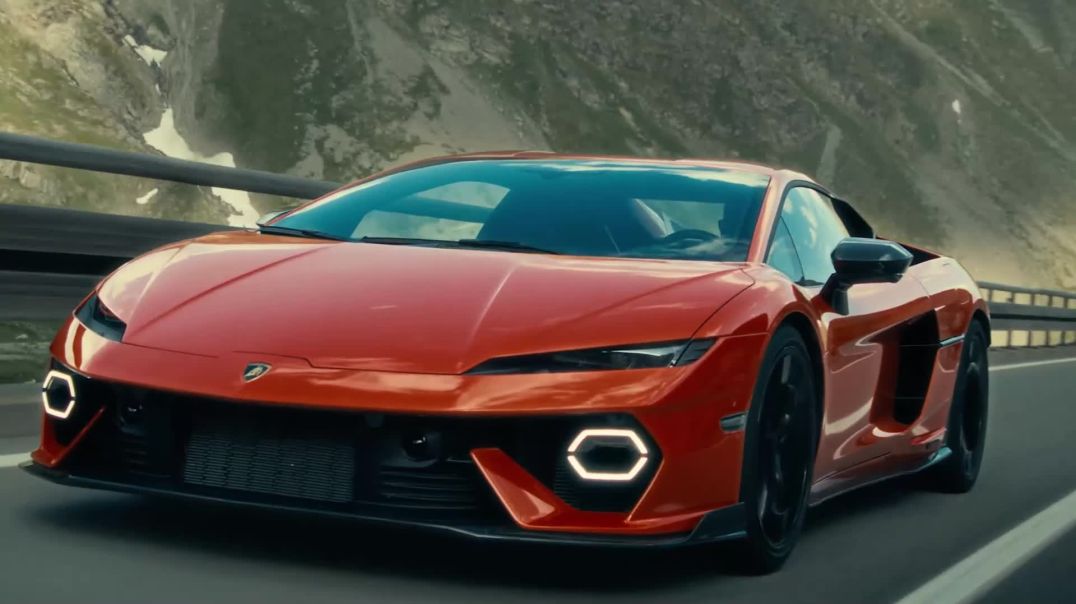






In recent years, the automotive industry has undergone a significant transformation, driven by technological advancements and a growing focus on sustainability. New Zealand is no exception, as Kiwis increasingly seek out eco-friendly and cost-effective transportation solutions. Electric vehicles (EVs) and hybrids have emerged as frontrunners in this green revolution, offering a promising future for both consumers and the environment. In this article, we will delve into the top EV and hybrid car reviews for Kiwi consumers in 2025, providing unique insights, expert analysis, and actionable strategies to help you make informed decisions.
The Rise of EVs and Hybrids: A Kiwi Perspective
New Zealand's commitment to reducing carbon emissions and promoting sustainable transportation has fueled the growth of EVs and hybrids. According to the Ministry of Business, Innovation, and Employment (MBIE), the number of electric vehicles on New Zealand roads surged by 60% from 2023 to 2025, a testament to the country's dedication to a cleaner future. This shift is not only driven by environmental concerns but also by economic factors, as the Reserve Bank of New Zealand reports a 15% reduction in fuel expenses for EV owners compared to traditional gasoline vehicles.
Top EV and Hybrid Models for 2025
As the market expands, several EV and hybrid models have captured the attention of Kiwi consumers. Below, we explore some of the top contenders:
Tesla Model 3
- Performance: The Tesla Model 3 boasts a remarkable range of up to 600 km on a single charge, making it an ideal choice for long-distance travel across New Zealand.
- Features: With advanced autopilot capabilities and a minimalist interior design, the Model 3 offers a futuristic driving experience.
- Price: While the initial cost may be higher, the long-term savings on fuel and maintenance make it a wise investment.
Hyundai Kona Electric
- Performance: This compact SUV provides a range of approximately 484 km, perfect for urban and rural commuting.
- Features: Equipped with smart safety features and a spacious interior, the Kona Electric is family-friendly.
- Price: With government incentives and rebates, the Kona Electric offers excellent value for money.
Toyota Prius Prime
- Performance: As a plug-in hybrid, the Prius Prime combines electric efficiency with the flexibility of a gasoline engine, achieving up to 1,000 km per tank.
- Features: Known for its reliability and fuel economy, the Prius Prime includes cutting-edge technology and a comfortable ride.
- Price: This hybrid is competitively priced, appealing to budget-conscious consumers.
Case Study: New Zealand's EV Adoption Success
Case Study: Meridian Energy's EV Fleet Transition
Problem: Meridian Energy, a leading renewable energy company, faced challenges in reducing its carbon footprint and operational costs. The company struggled with high fuel expenses and sought to align its fleet with its sustainability goals.
Action: In response, Meridian Energy transitioned its entire fleet to electric vehicles, utilizing New Zealand's clean energy resources. The company leveraged government incentives to offset initial costs and invested in charging infrastructure across its facilities.
Result: Within two years, Meridian Energy achieved a 50% reduction in fleet emissions and a 30% decrease in fuel costs. The initiative also enhanced the company's brand image as a sustainability leader.
Takeaway: This case study highlights the potential for New Zealand businesses to reduce operational costs and emissions through EV adoption. By leveraging government incentives and infrastructure investments, companies can drive significant environmental and economic benefits.
Data-Driven Insights: Why EVs and Hybrids Matter
According to Stats NZ, the transportation sector accounts for 17% of New Zealand's total greenhouse gas emissions. Transitioning to EVs and hybrids can play a pivotal role in achieving the country's emissions reduction targets. Moreover, the New Zealand Electric Vehicle Association reports that EV owners experience a 40% decrease in maintenance costs compared to traditional vehicles, underscoring the long-term financial advantages of making the switch.
Pros and Cons of Owning an EV or Hybrid in New Zealand
Pros:
- Environmental Impact: EVs and hybrids contribute to cleaner air and reduced carbon emissions, aligning with New Zealand's sustainability goals.
- Cost Savings: With lower fuel and maintenance costs, EV owners can save up to NZD 1,500 annually.
- Government Incentives: The New Zealand government offers rebates and incentives to encourage EV adoption, making them more accessible.
Cons:
- Initial Cost: The upfront price of EVs and hybrids can be higher, although long-term savings often offset this.
- Charging Infrastructure: While improving, charging infrastructure in rural areas may still be limited.
- Range Anxiety: Concerns about battery range can deter some consumers, although advancements continue to mitigate this issue.
Future Trends: The Road Ahead for EVs and Hybrids in New Zealand
As New Zealand accelerates its transition to sustainable transportation, several trends are expected to shape the EV and hybrid market:
- Increased EV Adoption: By 2030, EVs are projected to comprise 30% of New Zealand's vehicle fleet, driven by policy support and consumer demand (Source: Deloitte, 2024).
- Technological Advancements: Innovations in battery technology and autonomous driving are set to enhance the appeal and functionality of EVs.
- Infrastructure Expansion: The New Zealand government plans to invest in charging stations nationwide, ensuring accessibility and convenience for EV owners.
Common Myths & Mistakes
Myth: EVs Are Only for Urban Areas
Reality: With the expansion of charging infrastructure and improved battery ranges, EVs are suitable for both urban and rural environments in New Zealand.
Myth: EVs Are Too Expensive
Reality: While the initial cost may be higher, government incentives and lower operating costs make EVs a cost-effective choice over time.
Myth: EVs Have Limited Performance
Reality: Modern EVs offer impressive acceleration and range, rivaling traditional vehicles in terms of performance and driving experience.
Conclusion: Embrace the Future of Transportation
As New Zealand continues to embrace sustainable transportation, EVs and hybrids are set to play a pivotal role in shaping the future. With government support, technological advancements, and increasing consumer awareness, the transition to cleaner and more efficient vehicles is not just a possibility but a reality. Whether you're a business seeking to reduce operational costs or a consumer looking for an eco-friendly option, the time is ripe to explore the benefits of EVs and hybrids.
Ready to make the switch? Start by exploring the top EV and hybrid models available in New Zealand and consider the long-term benefits for both your wallet and the environment. Share your thoughts and experiences in the comments below!
People Also Ask (FAQ)
- How does EV adoption impact New Zealand's economy?EV adoption reduces reliance on imported fuels, potentially saving the economy billions annually and creating local jobs in the renewable energy sector.
- What are the biggest misconceptions about EVs?A common myth is that EVs are too expensive, but with incentives, they often cost less over time than traditional vehicles.
- What are the best strategies for implementing EVs in businesses?Businesses should leverage government incentives, invest in charging infrastructure, and educate employees about the benefits of EVs for successful implementation.
Related Search Queries
- Best electric cars NZ 2025
- Top hybrid vehicles in New Zealand
- EV incentives in New Zealand
- Electric vehicle charging stations NZ
- Cost savings with hybrid cars
- Future of EVs in New Zealand
- Environmental benefits of EVs
- Hybrid vs electric cars NZ
- Government EV policies in New Zealand
- Electric vehicle market trends 2025
For the full context and strategies on Top EV and Hybrid Car Reviews for Kiwi Consumers in 2025, see our main guide: Ev Hybrid Future Automotive Videos Nz.