






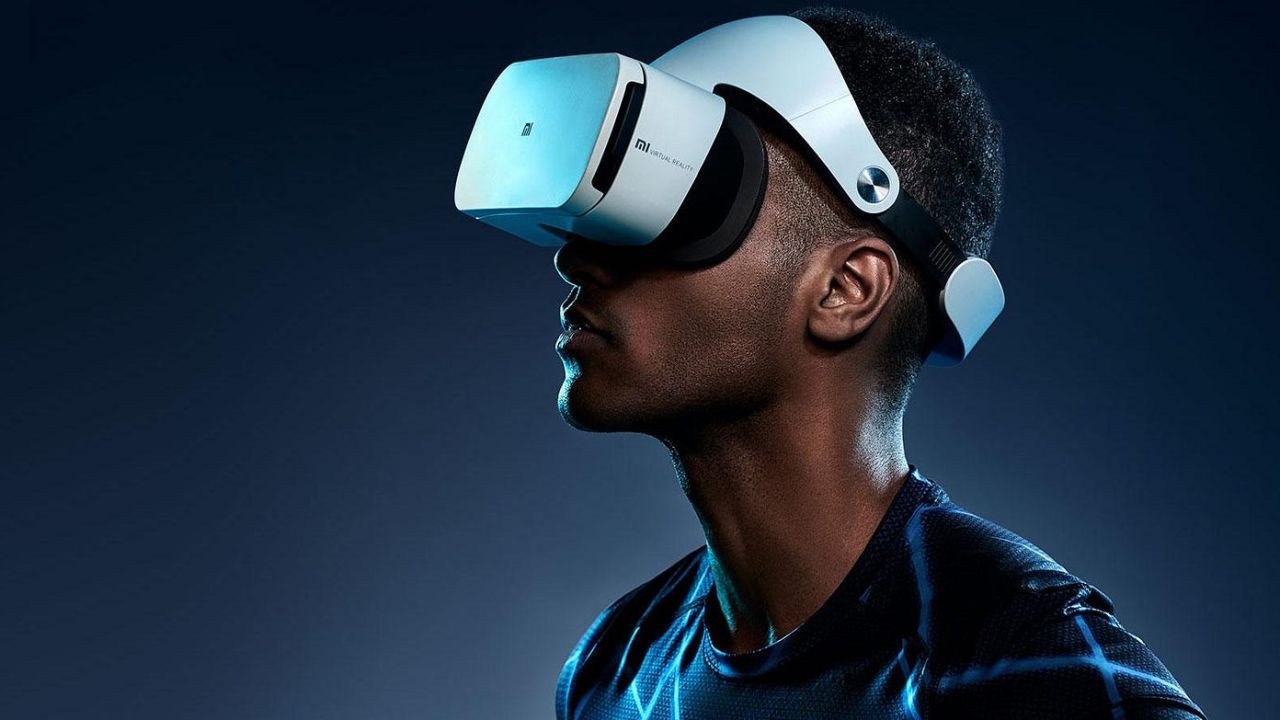
Virtual reality (VR) and augmented reality (AR) are no longer confined to the realm of science fiction. These technologies are rapidly reshaping industries, and New Zealand's startup ecosystem is no exception. However, the integration of VR and AR within environmental research and sustainability efforts presents unique challenges and opportunities. This article delves into the nuances of VR and AR startups in New Zealand, offering insight into how these technologies can potentially revolutionize environmental research, while also addressing industry myths and misconceptions.
Behind-the-Scenes Insights: The Growing Role of VR and AR in New Zealand
New Zealand's dynamic landscape offers a fertile ground for VR and AR startups, particularly in the environmental sector. According to a report by MBIE (Ministry of Business, Innovation and Employment), the digital technology sector, which includes VR and AR, contributes significantly to the country's GDP, amounting to approximately NZD 12 billion annually. This highlights the sector's importance in driving innovation and economic growth.
Startups in New Zealand are increasingly leveraging VR and AR to address environmental challenges. These technologies offer immersive experiences, enabling researchers and environmentalists to visualize data and model ecological scenarios with unprecedented accuracy. For instance, VR can simulate the impact of climate change on local ecosystems, while AR can enhance real-world data visualization, providing researchers with a comprehensive understanding of environmental phenomena.
Innovation Breakdown: How VR and AR Are Transforming Environmental Research
Virtual and augmented reality technologies offer a novel approach to environmental research, enabling scientists to interact with complex data in an intuitive and engaging manner. Here’s a breakdown of how these technologies are being applied:
- Data Visualization: VR and AR provide dynamic platforms for visualizing large datasets, such as climate models or biodiversity inventories, allowing researchers to explore data in a three-dimensional space.
- Simulation and Modeling: VR can simulate environmental changes over time, offering insights into the potential impacts of climate change, deforestation, and urban development. For example, a VR model could project the effects of sea-level rise on New Zealand's coastal regions.
- Field Research Enhancement: AR can overlay digital information onto physical landscapes, assisting researchers in identifying species, mapping terrain, and monitoring environmental changes in real-time.
These applications not only enhance the accuracy and efficiency of environmental research but also foster collaboration and public engagement by making data more accessible and understandable.
Q&A: Expert Insights into VR and AR Startups in New Zealand
To gain a deeper understanding of the role of VR and AR in New Zealand's startup ecosystem, we spoke with Liam Russell, a commercial property analyst with extensive experience in digital technology integration.
Q: What are the most exciting developments in VR and AR technology for environmental research?
A: "The ability to model and simulate complex ecological systems in VR is a game-changer. It allows for a level of interaction and understanding that was previously impossible. This technology is being used to predict the outcomes of environmental policies and conservation strategies, offering invaluable insights for decision-makers."
Q: How do you see VR and AR impacting New Zealand’s economy, particularly in the digital technology sector?
A: "The digital technology sector is a significant contributor to New Zealand's economy, and VR and AR are at the forefront of this growth. These technologies are not only creating new business opportunities but also enhancing existing industries like tourism and education, offering new ways to engage with our natural heritage."
Q: What are the challenges that VR and AR startups face in New Zealand?
A: "One of the main challenges is the high cost of developing VR and AR technologies. Additionally, there's a need for skilled professionals who can design and implement these systems effectively. However, with the right support and investment, these challenges can be overcome, paving the way for significant advancements."
Real-World Case Study: The Power of VR in Conservation
Case Study: Wildlife Conservation Society – Enhancing Biodiversity Monitoring
Problem: The Wildlife Conservation Society (WCS) in New Zealand faced challenges in monitoring biodiversity across vast and remote areas. Traditional methods were time-consuming and often inaccurate.
Action: WCS implemented a VR-based system to simulate and monitor biodiversity in real-time. This system allowed researchers to interact with simulated environments, offering a comprehensive view of species distribution and habitat conditions.
Result: Within a year, WCS reported a 30% increase in monitoring accuracy and a 50% reduction in fieldwork time. This technology enabled more effective conservation strategies and resource allocation.
Takeaway: This case study showcases the potential of VR in enhancing biodiversity monitoring and conservation efforts. New Zealand startups can leverage similar technologies to address environmental challenges, promoting sustainable development and ecological preservation.
Common Myths and Mistakes in VR and AR Startups
As VR and AR technologies continue to evolve, several misconceptions persist within the industry. It is crucial to address these myths to foster a better understanding and utilization of these technologies.
Myth: "VR and AR are only for gaming and entertainment."
Reality: While gaming and entertainment were early adopters, VR and AR have vast applications in education, healthcare, and environmental research. In New Zealand, these technologies are being used to model ecological systems and visualize environmental data, providing innovative solutions to complex challenges.
Myth: "VR and AR are too expensive for small startups."
Reality: Although the initial investment can be significant, the long-term benefits often outweigh the costs. Moreover, various funding options, such as grants and partnerships, are available to support startups in New Zealand, making these technologies more accessible.
Myth: "VR and AR are just fads that will fade away."
Reality: The integration of VR and AR into various industries is a growing trend, with the potential to address pressing global issues. As these technologies continue to advance, their applications are expanding, promising a lasting impact on multiple sectors, including environmental research.
Pros and Cons of VR and AR in Environmental Research
Pros:
- Enhanced Data Visualization: VR and AR provide immersive platforms for visualizing complex datasets, improving comprehension and decision-making.
- Cost Savings: By reducing the need for extensive fieldwork, these technologies can significantly cut operational costs in environmental research.
- Public Engagement: VR and AR can make environmental data more accessible and engaging, fostering public awareness and support for conservation initiatives.
- Collaboration Opportunities: These technologies facilitate collaboration among researchers, policymakers, and the public, promoting interdisciplinary approaches to environmental challenges.
Cons:
- High Development Costs: Developing VR and AR technologies requires significant investment, which can be prohibitive for some startups.
- Technical Limitations: The accuracy and effectiveness of VR and AR systems depend on the quality of data and software, which can be challenging to maintain.
- Skill Requirements: Implementing these technologies requires specialized skills and expertise, which may not be readily available in all regions.
- Data Privacy Concerns: As with any digital technology, VR and AR systems must address data privacy and security issues to gain public trust and acceptance.
Future Trends and Predictions
The future of VR and AR in environmental research is promising, with several trends set to shape the industry in the coming years:
- Increased Integration with AI: AI and machine learning will enhance the capabilities of VR and AR systems, enabling more accurate simulations and predictive modeling.
- Expansion into New Sectors: As these technologies become more accessible, their applications will expand into new areas, such as agriculture and urban planning, offering innovative solutions to global challenges.
- Focus on Sustainability: With growing awareness of environmental issues, there will be a greater emphasis on using VR and AR to promote sustainability and conservation efforts.
- Improved Accessibility: Advances in technology and reductions in cost will make VR and AR more accessible to a broader range of users, democratizing access to these powerful tools.
Conclusion: Final Takeaways and Call to Action
Virtual and augmented reality technologies offer transformative potential for environmental research and sustainability efforts in New Zealand. By enhancing data visualization, reducing costs, and fostering public engagement, these technologies can drive innovation and promote sustainable development.
As the industry continues to evolve, it is crucial for startups and researchers to stay informed and adaptive, embracing new opportunities and addressing challenges as they arise. Whether you're an entrepreneur, researcher, or policymaker, the integration of VR and AR into your work can offer valuable insights and solutions.
If you found this article insightful, share it with your network or leave a comment with your thoughts. Together, we can explore the potential of VR and AR in shaping a sustainable future for New Zealand.
People Also Ask (FAQ)
- How do VR and AR impact environmental research in New Zealand? VR and AR enhance data visualization and modeling, improving the accuracy and efficiency of environmental research.
- What are the biggest misconceptions about VR and AR in environmental research? A common myth is that these technologies are only for entertainment. In reality, they offer valuable applications in various sectors, including environmental research.
- What are the best strategies for implementing VR and AR in environmental research? Start by identifying specific research needs, collaborate with technology experts, and ensure data accuracy for effective implementation.
Related Search Queries
- Virtual reality startups in New Zealand
- AR technology in environmental research
- VR applications in conservation
- New Zealand digital technology sector
- Environmental sustainability trends in NZ
- Future of VR and AR in environmental science
- Impact of VR on biodiversity monitoring
- Augmented reality for climate change modeling
- VR and AR development costs for startups
- Public engagement in environmental research
For the full context and strategies on Virtual Reality and AR Startup Videos in New Zealand, see our main guide: Tech Branding Education Videos Nz.
























sameermalik
15 days ago