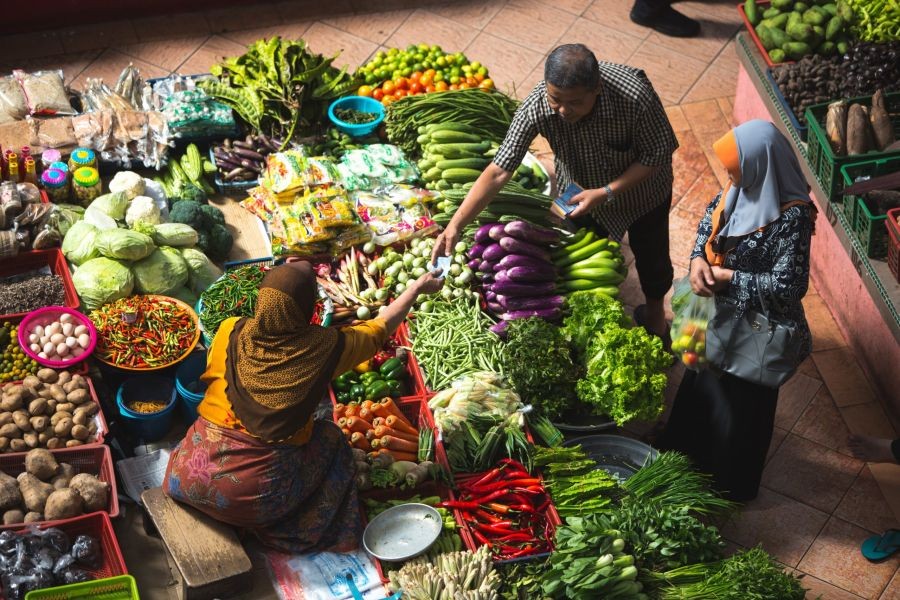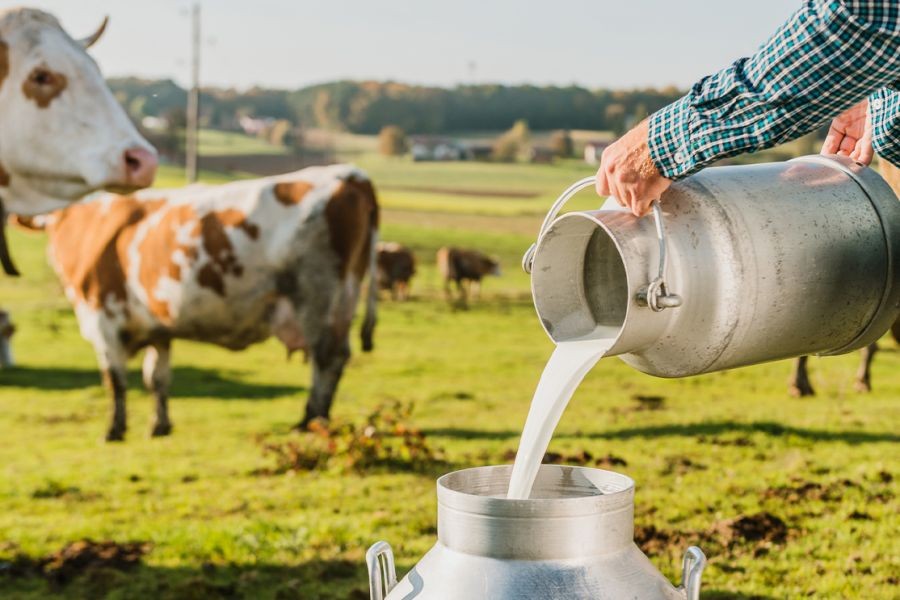





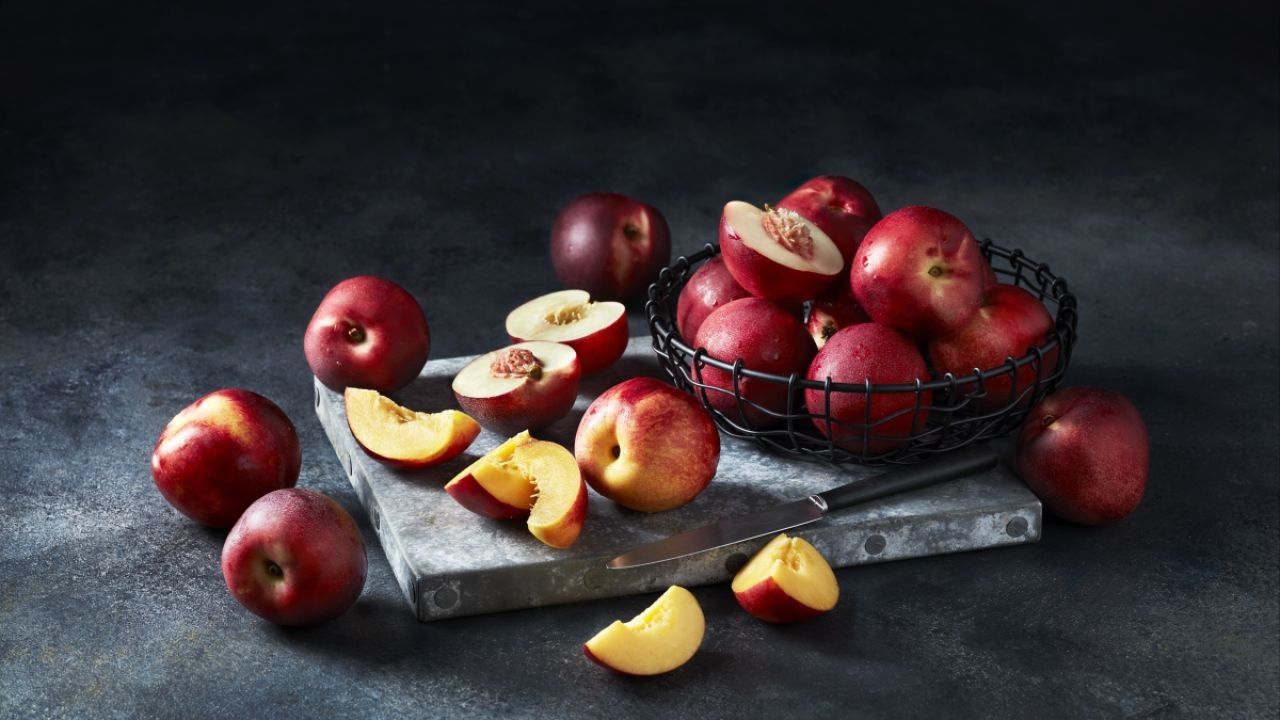
Did you know that New Zealand's organic produce exports have surged by 32% in the last five years, with specialty produce becoming a beacon of sustainability and quality globally? Amidst the rolling hills and fertile lands, the country’s commitment to organic farming is not just a trend but a transformative movement shaping its economic landscape.
In an era where consumers are increasingly conscious of what they consume, New Zealand's organic and specialty produce sector stands out as a testament to quality and sustainability. But what does it mean for the local economy, and how are these changes being captured and communicated to the world? This article delves into the burgeoning industry of organic and specialty produce in New Zealand, exploring how video content is elevating its global reputation and the implications of this evolution.
Background: A Nation Rooted in Sustainability
New Zealand has always been synonymous with pristine landscapes and a commitment to environmental stewardship. The country's agricultural policies have long emphasized sustainability, with the government incentivizing organic farming practices through subsidies and grants. According to Stats NZ, the organic sector contributed NZD 600 million to the economy in 2022, a significant increase from previous years.
However, the real turning point has been the integration of digital media to showcase these efforts. Organic and specialty produce videos are not merely marketing tools; they narrate the stories of Kiwi farmers, demonstrating their dedication to sustainability and quality. This digital storytelling is pivotal in distinguishing New Zealand's produce in the crowded global market.
Voices from the Field: The Impact of Visual Storytelling
Meet Sarah Thompson, a third-generation organic farmer in the Canterbury region. Her farm, which has been in the family for over a century, was one of the first to transition entirely to organic methods. "It's not just about growing food; it's about nurturing the land for future generations," she says. Sarah's journey has been captured in a series of videos that have garnered international attention, showcasing the meticulous processes behind her high-quality produce.
Dr. Mark Reynolds, an agriculture economist at the University of Otago, explains, "The power of video is in its ability to convey authenticity. Consumers today are not just buying products; they're buying stories. New Zealand's organic farmers have compelling stories that resonate well with global audiences."
Case Study: Ooooby – From Local to Global
Problem: Ooooby, a New Zealand-based organic produce delivery service, faced the challenge of differentiating itself in a competitive market. Despite the high quality of their produce, reaching a wider audience was a persistent issue.
Action: To overcome this, Ooooby leveraged video marketing to document their farm-to-table process, highlighting the freshness and sustainability of their produce. They collaborated with local videographers to create short, engaging videos for social media platforms.
Result: Within six months, Ooooby experienced a 45% increase in customer subscriptions and a 30% rise in social media engagement. Their videos not only attracted local consumers but also caught the attention of international markets, leading to export opportunities.
Takeaway: This case underscores the power of visual storytelling in amplifying brand reach and establishing trust with consumers. For New Zealand businesses, embracing digital media can unlock new markets and foster sustainability.
Implications: Economic and Environmental Benefits
The rise of organic and specialty produce videos has far-reaching implications for New Zealand. Economically, it positions the country as a leader in sustainable agriculture, attracting foreign investment and boosting exports. The Reserve Bank of New Zealand notes that the agricultural sector's contribution to GDP could increase by up to 2% annually with continued investment in organic practices.
Environmentally, the focus on organic farming reduces the reliance on chemical fertilizers and pesticides, promoting biodiversity and soil health. These practices align with New Zealand's broader sustainability goals, contributing to the country's reputation as a clean, green nation.
Pros vs. Cons of the Organic Produce Boom
Pros:
- Increased Revenue: Organic produce commands premium prices, leading to higher income for farmers.
- Sustainability: Reduces environmental impact and promotes biodiversity.
- Market Differentiation: Sets New Zealand apart in the global market as a leader in organic farming.
- Consumer Trust: Builds brand loyalty through transparency and authenticity.
Cons:
- Higher Production Costs: Transitioning to organic farming requires significant investment.
- Market Saturation: Increased competition as more producers enter the organic market.
- Regulatory Challenges: Compliance with organic certification standards can be complex.
Common Myths and Mistakes in Organic Farming
Myth: Organic farming is less productive than conventional farming.
Reality: While yields may initially decrease, studies show that organic farms can achieve comparable productivity levels with improved soil health and biodiversity (Source: University of Waikato).
Myth: Organic produce is free of pesticides.
Reality: Organic farmers use natural pesticides and follow strict guidelines to ensure minimal environmental impact (Source: Organic NZ).
Future Trends: A Digital and Sustainable Evolution
The future of New Zealand's organic produce industry lies at the intersection of sustainability and technology. As digital platforms continue to evolve, the way organic produce is marketed will become increasingly sophisticated. Experts predict that by 2030, virtual reality experiences could be used to offer consumers an immersive look into the farming process, further enhancing transparency and trust.
Additionally, advancements in agri-tech, such as precision farming and AI-driven analytics, will optimize organic farming practices, increasing efficiency and reducing costs. This technological integration will be crucial as New Zealand seeks to maintain its competitive edge in the global market.
Conclusion: Harnessing the Power of Storytelling
New Zealand's organic and specialty produce sector is more than just an agricultural triumph; it is a narrative of tradition, innovation, and sustainability. By leveraging video content, the country is not only showcasing its high-quality produce but also reinforcing its commitment to a sustainable future.
What's your take on the future of organic farming in New Zealand? Share your insights below!
People Also Ask
- How does organic farming impact New Zealand's economy? Organic farming contributes significantly to New Zealand's GDP, with potential annual growth of 2% as noted by the Reserve Bank of New Zealand.
- What are the biggest misconceptions about organic produce? A common myth is that organic produce is pesticide-free, but organic farming uses natural pesticides under strict regulations.
- What are the best strategies for marketing organic produce? Experts recommend leveraging video content and social media to enhance transparency and engage consumers.
Related Search Queries
- New Zealand organic farming trends
- Sustainable agriculture in New Zealand
- Organic produce marketing strategies
- Impact of digital media on agriculture
- Future of farming in New Zealand
For the full context and strategies on Organic and Specialty Produce Videos Highlighting New Zealand Quality, see our main guide: Nz Farm To Table Agri Food Videos.