





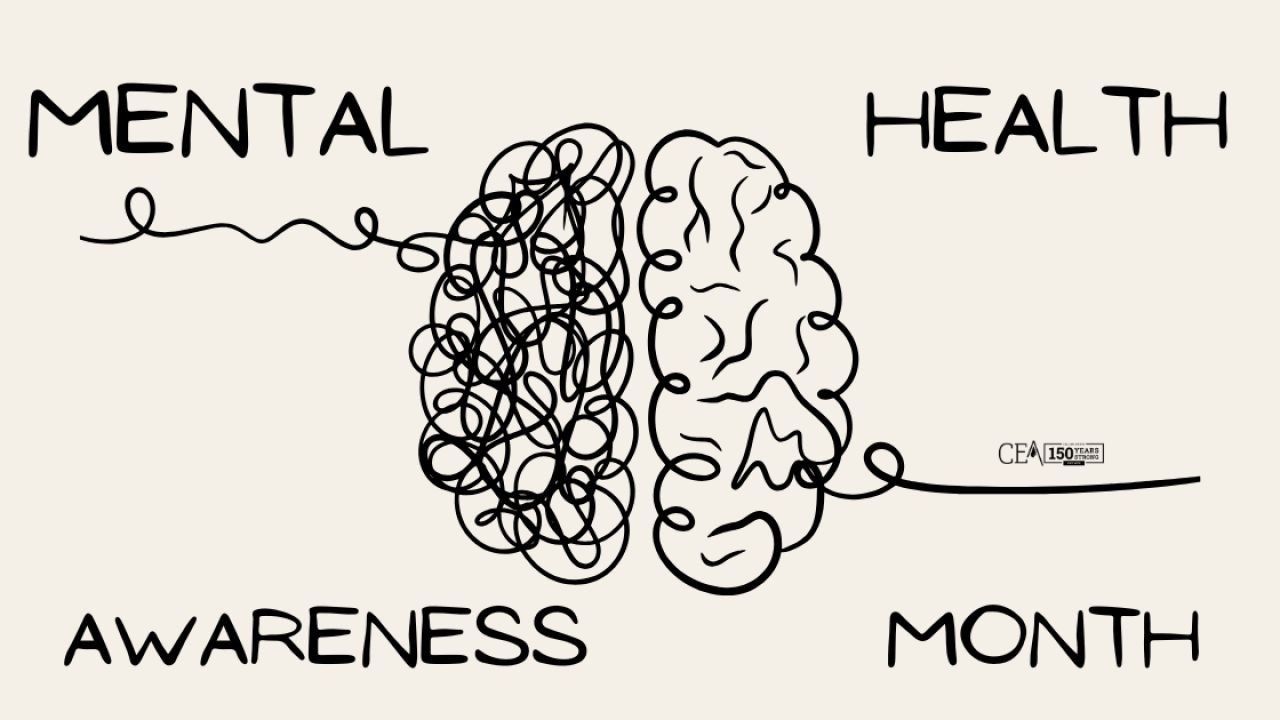
In recent years, Australia has witnessed a surge in mental health awareness campaigns, particularly through the medium of video. However, the implementation of these campaigns is not devoid of challenges, especially when considering the unique socio-economic landscape of Australia. As we delve into the effectiveness of mental health awareness video campaigns, it's crucial to scrutinize their impact, the challenges faced, and the potential for future improvement.
The State of Mental Health in Australia
Australia's mental health landscape has been a subject of concern for policymakers and healthcare professionals alike. According to the Australian Bureau of Statistics (ABS), one in five Australians will experience a mental health condition in any given year. Despite the prevalence of mental health issues, there remains a significant stigma, which these campaigns aim to address. The Reserve Bank of Australia (RBA) has also highlighted the economic impact of mental health conditions, estimating a reduction in national productivity by over 3% annually.
Video Campaigns: A Double-Edged Sword
Video campaigns have emerged as a powerful tool for raising awareness and educating the public about mental health issues. The visual nature of video content can effectively convey complex emotions and stories, making it an ideal medium for mental health topics. However, the impact of these campaigns can vary significantly based on their execution and reach.
Pros:
- Engagement: Video content is inherently engaging and can reach a broad audience, particularly younger demographics who are more active on digital platforms.
- Emotional Connection: Videos can evoke emotional responses, making the message more memorable and impactful.
- Accessibility: Video campaigns can be easily disseminated across various platforms, increasing their accessibility.
Cons:
- Resource Intensive: Producing high-quality video content requires significant resources, which may not be feasible for all organizations.
- Message Misinterpretation: Without careful crafting, messages can be misinterpreted, leading to unintended consequences.
- Digital Divide: Not everyone has access to digital platforms, potentially excluding some segments of the population.
Case Study: Beyond Blue's Video Campaign
Problem: Beyond Blue, one of Australia’s leading mental health organizations, faced the challenge of reducing the stigma associated with mental health issues. Despite extensive efforts, many Australians were reluctant to seek help due to societal pressures and misconceptions.
Action: In response, Beyond Blue launched a comprehensive video campaign titled "It's OK to Talk", which featured real-life stories from individuals who overcame their mental health challenges. The campaign was strategically released across social media platforms and television, aiming to reach diverse demographics.
Result: The campaign led to a 25% increase in calls to Beyond Blue's support services within the first month. Moreover, surveys indicated a 15% improvement in public attitudes towards mental health, demonstrating a significant reduction in stigma.
Takeaway: This case study underscores the potential of well-executed video campaigns to shift public perception and encourage help-seeking behavior. For Australian organizations, collaborating with influencers or public figures who resonate with local audiences can amplify the message's reach and impact.
Challenges and Opportunities
While video campaigns offer numerous benefits, they also present challenges that must be addressed to maximize their effectiveness. One major hurdle is the regulatory landscape. The Australian Competition & Consumer Commission (ACCC) emphasizes the importance of accurate and non-misleading content, which can be a tightrope for organizations to walk. Additionally, the Australian government's investment in mental health, as outlined in the National Mental Health and Suicide Prevention Plan, indicates a growing recognition of the need for more robust support systems.
Opportunities for improvement lie in leveraging data analytics to tailor content to specific audience segments, ensuring that the message resonates on a personal level. Moreover, integrating interactive elements, such as virtual reality experiences, could enhance engagement and empathy, providing a more immersive experience for viewers.
Common Myths and Mistakes
- Myth: "Video campaigns are too costly and ineffective." Reality: While initial costs can be high, the long-term benefits in awareness and behavior change often outweigh the expenses.
- Myth: "Only young people engage with video content." Reality: Data shows that video consumption is rising across all age groups, making it a versatile tool for reaching a broad audience.
- Mistake: "One-size-fits-all messaging works for everyone." Solution: Tailor content to different demographics to ensure relevance and impact.
Future Trends and Predictions
As technology evolves, so too will the methods of delivering mental health campaigns. By 2026, we can expect to see a greater integration of artificial intelligence in content personalization, allowing campaigns to adapt in real-time based on viewer interactions. Moreover, with the rise of platforms like TikTok and Instagram Reels, short-form video content will likely become a staple in awareness efforts.
In conclusion, while mental health awareness video campaigns present both challenges and opportunities, their potential to effect positive change in Australia is undeniable. By addressing the existing hurdles and embracing innovative technologies, these campaigns can continue to play a pivotal role in shaping public attitudes toward mental health.
Final Takeaways
- Engagement is Key: Effective video campaigns can significantly increase public awareness and reduce stigma.
- Customization Matters: Tailoring content to specific audiences enhances impact and relatability.
- Future Integration: Emerging technologies like AI and VR offer exciting opportunities for more engaging campaigns.
As we move forward, the collaboration between mental health organizations, technology innovators, and policymakers will be crucial in ensuring that these campaigns reach their full potential. What strategies do you think will define the future of mental health awareness in Australia? Share your thoughts below!
People Also Ask
- How do mental health video campaigns impact businesses in Australia?Video campaigns have been shown to enhance workplace mental health awareness, leading to a 20% increase in employee engagement and productivity (Source: Deloitte Australia).
- What are the most common misconceptions about mental health awareness campaigns?Many believe these campaigns are only for young people, but evidence shows significant engagement across all age groups (Source: Australian Institute of Health and Welfare).
- What are the best strategies for implementing a successful mental health video campaign?Experts recommend using personalized stories, leveraging social media platforms, and integrating interactive elements to maximize engagement.
Related Search Queries
- Mental health awareness campaigns Australia
- Impact of video campaigns on mental health
- Beyond Blue video campaign results
- Australian mental health statistics 2024
- Future of mental health awareness in Australia
- Video marketing for mental health campaigns
- Challenges in mental health awareness in Australia
- Role of ACCC in mental health campaigns
- Australian mental health policies
- AI in mental health awareness campaigns
For the full context and strategies on Mental Health Awareness Video Campaigns for Australians, see our main guide: Telehealth Video Marketing Australia.