




Land in Aotearoa New Zealand is more than soil and boundaries — it is whakapapa, identity, and belonging. For Māori, land represents not only an ancestral inheritance but also the foundation for economic participation and cultural survival. Yet, more than 180 years after Te Tiriti o Waitangi, Māori land ownership remains one of the most unevenly distributed resources in the country.
This article explores the latest data on Māori land rights, exposes the surprising statistics behind ownership and use, and examines how empowering Māori land development could become a crucial driver of New Zealand’s next wave of sustainable success.
1. The State of Māori Land Ownership Today
Despite decades of settlement processes and legislative reform, Māori continue to own only a fraction of their ancestral lands.
Māori Freehold Land accounts for roughly 5.6% of New Zealand’s total land area — about 1.4 million hectares.
This is a stark contrast to pre-colonial times, when Māori held virtually all of Aotearoa.
More than 27,000 individual Māori land titles exist today, involving over 2.5 million ownership interests — meaning many Māori have shares in multiple small parcels of land.
The average Māori land block size is under 60 hectares, often fragmented and co-owned by hundreds of individuals, making collective management difficult.
These figures reveal a landscape that is legally rich in ownership but practically constrained by governance and structural complexity.
2. The Surprising Gap Between Ownership and Utilisation
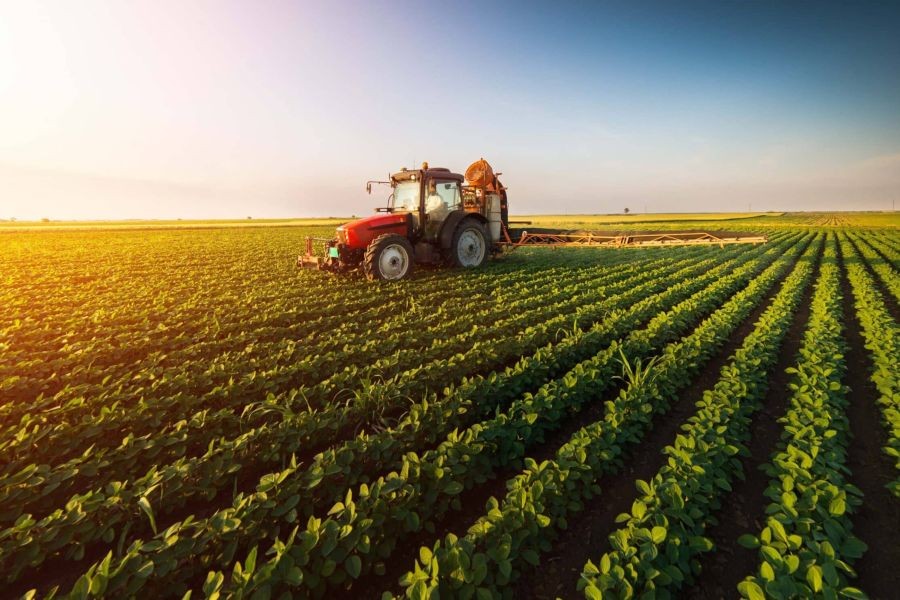
While Māori collectively hold significant land, the real challenge lies in economic underutilisation.
Around 30–40% of Māori land remains undeveloped or underdeveloped, often due to access restrictions, poor infrastructure, or legal barriers to financing.
Many blocks lack clear title structures, making it difficult to secure loans or attract investment.
Land fragmentation has produced ownership lists so extensive that achieving quorum for decision-making can be nearly impossible.
Research by the Ministry for Primary Industries shows that unlocking just half of underutilised Māori land could generate hundreds of millions in GDP annually — particularly through sustainable forestry, agriculture, and tourism.
In other words, Māori already hold one of the country’s largest unrealised economic opportunities — it simply needs structural support and strategic innovation.
3. The Historical Context: From Confiscation to Reclamation
Understanding today’s statistics means understanding history.
The New Zealand Settlements Act of 1863 authorised widespread land confiscations, particularly in the Waikato, Taranaki, and Bay of Plenty.
By the early 1900s, Māori retained only about 6 million hectares, compared to over 26 million hectares pre-1840.
Successive government policies encouraged land sales, leasing, and fragmentation through individualisation of titles under the Native Land Court system.
The Waitangi Tribunal, established in 1975, has since worked to address historical breaches, leading to significant settlements — but these often provided financial compensation rather than land restoration.
Despite progress, the long shadow of alienation still shapes Māori economic outcomes today.
4. Land as a Catalyst for Māori and National Prosperity
When Māori communities are empowered to use their land effectively, the ripple effects benefit all of New Zealand.
4.1 Whenua-based enterprises
Across Aotearoa, iwi and hapū are building models of success grounded in tikanga Māori.
Examples include sustainable forestry partnerships, organic farming collectives, renewable energy ventures, and tourism projects showcasing local culture.
4.2 Intergenerational wealth creation
Land ownership provides security and a base for future investment — a stark contrast to the vulnerability of rented or leased land. Strengthening Māori land governance means empowering future generations to build financial and cultural capital simultaneously.
4.3 Sustainable development
Māori land management often prioritises environmental balance and long-term stewardship. As climate change pressures intensify, these principles offer a model for regenerative, low-impact economic growth — aligning perfectly with global sustainability goals.
5. Overcoming the Barriers to Progress
Despite momentum, several obstacles continue to limit Māori land potential:
Access to capital: Financial institutions still view Māori freehold land as high-risk collateral due to collective ownership rules.
Regulatory complexity: The Te Ture Whenua Māori Act (1993, amended 2020) provides protections but also creates administrative burdens.
Infrastructure gaps: Many rural Māori lands lack basic services like roading, water, and digital connectivity.
Leadership transitions: Governance requires alignment between elders, shareholders, and younger generations — not always easy in dispersed communities.
Solving these challenges requires partnership: government policy that supports flexible financing, capacity-building initiatives, and private-sector collaboration built on respect for Māori sovereignty.
6. The Path Forward — Unlocking Shared Prosperity
New Zealand’s growth story is inseparable from the success of Māori. To move forward:
Modernise land management systems — digital platforms can simplify ownership records and voting processes.
Promote co-investment models — joint ventures between iwi, government, and industry can deliver scale while maintaining ownership integrity.
Strengthen rangatahi leadership — empowering young Māori with education, finance, and technology will ensure continuity of stewardship.
Value cultural capital — frameworks that price biodiversity, heritage, and community wellbeing alongside financial return will redefine success metrics.
By viewing Māori land not as a problem but as a powerhouse for inclusive growth, New Zealand can realise a future where economic prosperity and cultural resilience move together.
Conclusion
The story of Māori land is one of endurance and opportunity. Though the statistics reveal inequality and complexity, they also highlight a foundation for renewal. If Aotearoa can remove barriers, invest in capability, and honour Māori self-determination, the result will be transformative — not just for iwi and hapū, but for the nation as a whole.
Land is more than property; it is identity, history, and potential. Recognising its true value could unlock the next era of success for New Zealand — an era built on partnership, purpose, and whenua.
For the full context and strategies on Surprising Statistics on Land Rights for Maori Communities in New Zealand – The Key to Unlocking Success in NZ, see our main guide: Vidude Vs Shift72 New Zealand.