


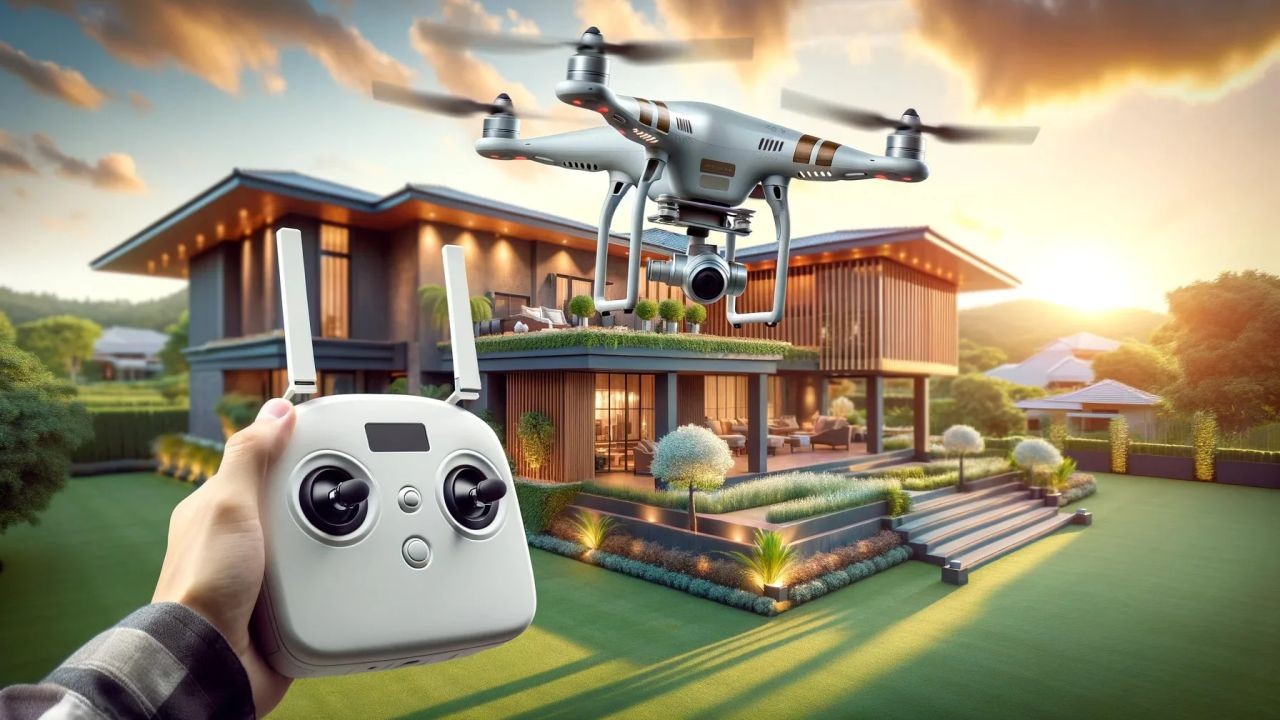
In the lush landscapes of New Zealand, where rolling hills meet pristine coastlines, the real estate market offers an intriguing blend of opportunity and challenge. As luxury real estate becomes increasingly competitive, sellers and agents alike are seeking innovative ways to capture the attention of potential buyers. Enter drone marketing—a cutting-edge approach that is transforming how premium properties are showcased. Yet, this is not merely about stunning aerial footage; it’s about crafting a premium buyer experience that aligns with New Zealand's unique environmental and economic landscape.
The New Zealand Context: A Market Ready for Innovation
New Zealand's luxury real estate market is ripe for disruption. As per the Real Estate Institute of New Zealand (REINZ), the median house price hit an all-time high in 2023, driven by both local and international demand. This surge places a premium on innovative marketing strategies that can set properties apart. However, this push for innovation must be balanced with environmental considerations, especially given New Zealand’s commitment to sustainability and the preservation of its natural beauty.
Case Study: Queenstown’s Hillside Retreat
Consider the example of a luxury hillside retreat in Queenstown. This property, with its panoramic views of Lake Wakatipu and the Remarkables mountain range, faced the challenge of standing out in a crowded market. Traditional marketing techniques failed to capture the property's true essence and scale. The owners decided to leverage drone technology to create an immersive narrative that highlighted not just the property, but its connection to the surrounding landscape.
Problem: Despite its stunning location, the hillside retreat struggled to attract attention from international buyers familiar with standard marketing tactics.
Action: The marketing team employed drones to capture high-definition aerial footage, showcasing the property's expansive grounds and proximity to natural landmarks. They also integrated virtual reality (VR) to offer virtual tours, allowing potential buyers to experience the property remotely.
Result: Within six months, inquiries increased by 40%, and the property successfully sold at a 15% premium compared to similar listings. This case demonstrates the potential of drone marketing to enhance the buyer experience by offering a more comprehensive view of the property’s setting and lifestyle benefits.
Step-by-Step Guide: Implementing Drone Marketing in Luxury Real Estate
1. Assess Environmental Impact
Before deploying drones, conduct an environmental impact assessment. New Zealand’s stringent environmental policies, such as the Resource Management Act, require compliance to protect local ecosystems. Consulting with environmental experts ensures the minimization of disruptions to wildlife and natural habitats.
2. Select the Right Technology
Choose drones equipped with high-resolution cameras and stabilization features to capture crisp, professional-grade footage. Consider drones with thermal imaging capabilities if the property’s sustainability features are a selling point. This technology can showcase energy efficiency, aligning with New Zealand's growing eco-conscious market.
3. Craft a Story-driven Narrative
Beyond visual appeal, create a narrative that resonates with potential buyers. Highlight the property’s unique features and its integration with the surrounding environment. For instance, emphasize proximity to natural reserves or the use of sustainable materials, which can attract environmentally-minded buyers.
4. Integrate Virtual and Augmented Reality
Enhance the buyer experience by offering virtual tours. Augmented reality (AR) can superimpose elements like furniture or garden features, providing a personalized vision of the property. This technology is particularly useful for international buyers unable to visit in person.
5. Leverage Social Media and Digital Platforms
Distribute drone footage across various digital platforms, including social media, to reach a broader audience. Tailor content for platforms like Instagram and YouTube, where visual storytelling is most effective. Utilize SEO strategies to ensure the content is easily discoverable by potential buyers searching for luxury properties in New Zealand.
Pros and Cons of Drone Marketing in Real Estate
Pros:
- Enhanced Visual Appeal: Drones provide unique perspectives that traditional photography cannot, capturing the full scope of a property and its surroundings.
- Increased Engagement: Properties marketed with drone footage often experience higher online engagement and inquiries.
- Cost-Effective: Compared to traditional advertising methods, drone marketing can be more affordable and provide a higher return on investment.
- Eco-Friendly Solution: When managed correctly, drones minimally impact the environment compared to large-scale property viewings.
Cons:
- Regulatory Challenges: Compliance with local aviation and environmental regulations can be complex and time-consuming.
- Weather Dependencies: New Zealand's unpredictable weather can limit drone operation days, potentially delaying marketing campaigns.
- Privacy Concerns: Drones can inadvertently capture neighboring properties, leading to privacy issues and potential disputes.
Myths and Misconceptions in Drone Marketing
Myth: Drones violate privacy and are illegal to use for real estate.
Reality: While privacy concerns exist, drones are legal for real estate use in New Zealand, provided operators comply with the Civil Aviation Authority's regulations.
Myth: Drone marketing is only for large properties.
Reality: Drones can effectively market any size property by showcasing unique features and surroundings that might not be evident from the ground.
Future Trends: The Next Frontier in Luxury Real Estate Marketing
As technology advances, the integration of AI with drone technology will revolutionize real estate marketing. Predictive analytics could soon allow drones to capture footage tailored to specific buyer preferences, enhancing personalization and engagement. Furthermore, as New Zealand continues to lead in sustainability, drones equipped with environmental sensors could assess a property’s ecological footprint, adding another layer of transparency and appeal for eco-conscious buyers.
Conclusion
Drone marketing in New Zealand’s luxury real estate sector offers a dynamic way to create a premium buyer experience. By blending technological innovation with environmental stewardship, properties can be showcased in a manner that resonates with today’s discerning buyers. Are you ready to elevate your property’s market presence? Consider integrating drone technology into your marketing strategy and share your success stories with us!
Related Search Queries
- Luxury real estate marketing strategies
- Drone regulations in New Zealand
- Sustainable real estate marketing
- Virtual tours in real estate
- Environmental impact of drone use
People Also Ask
How does drone marketing impact luxury real estate in New Zealand?
Drone marketing enhances property visibility and engagement by providing unique aerial perspectives, crucial in New Zealand's competitive luxury real estate market.
What are the biggest misconceptions about drone marketing?
A common myth is that drones violate privacy laws. However, when used responsibly under regulatory guidelines, they are a legal and effective marketing tool.
What are the best strategies for implementing drone marketing?
Start with an environmental assessment, choose the right technology, craft a compelling narrative, and integrate virtual reality to maximize impact.
For the full context and strategies on Luxury Real Estate Drone Marketing Creating a Premium Buyer Experience in NZ, see our main guide: Luxury Real Estate Videos New Zealand.