



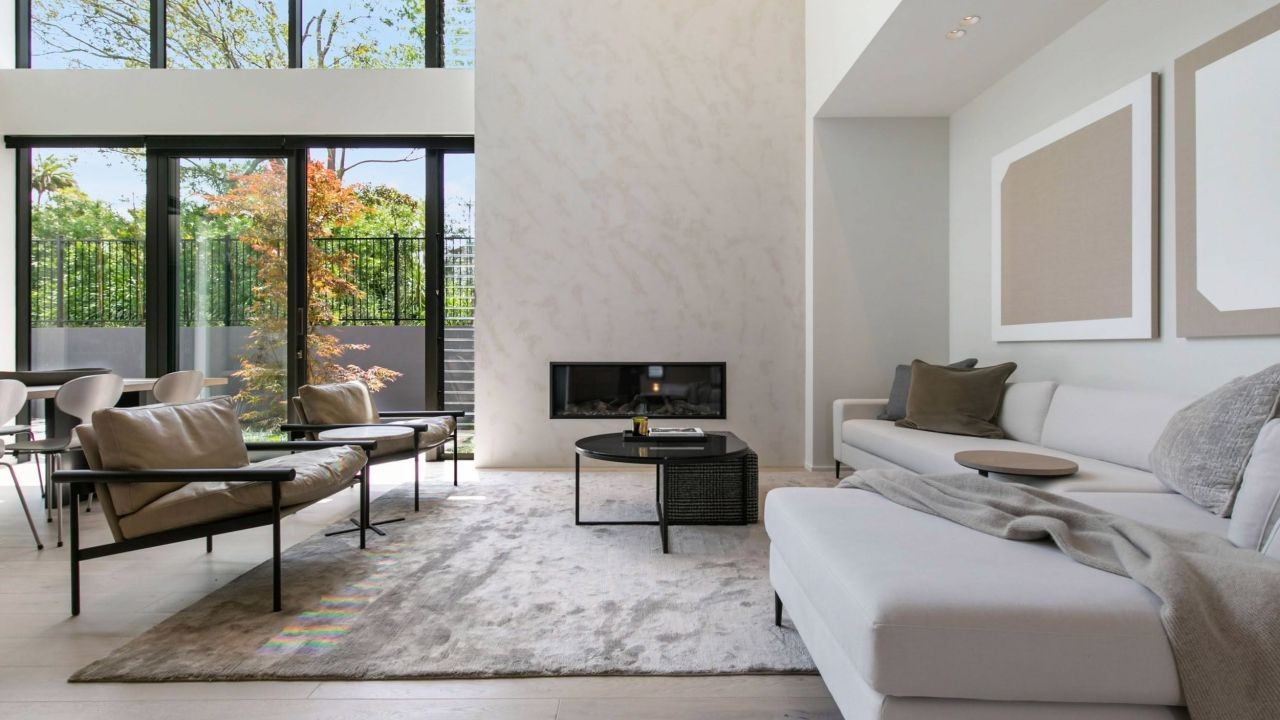
Amidst the lush landscapes of New Zealand, a quiet revolution is brewing—a shift towards green homes shaped by future-focused video technologies. This transformation is not merely a trend but a compelling vision shaping the property market's future in Aotearoa. With the government’s commitment to reducing carbon emissions by 30% by 2030, these green innovations are not just environmentally essential but economically beneficial. As an economic strategist, understanding the implications and opportunities of this evolution in the property market is crucial.
The Rise of Green Homes in New Zealand: A Step-by-Step Evolution
Green homes are designed to be energy-efficient, utilizing sustainable materials and smart technologies to minimize environmental impact. In New Zealand, this movement has been gaining momentum, supported by government policies like the Healthy Homes Standards. These standards have set minimum requirements for heating, insulation, and ventilation in rental properties, aiming to improve energy efficiency and reduce carbon footprint.
1. The Digital Transformation: Video Technologies Leading the Way
Videos are no longer just marketing tools; they are becoming integral to home design and construction. Advanced 3D visualization tools allow architects and builders to create virtual tours, enabling potential buyers to experience a property long before it's built. This technology not only enhances buyer engagement but also reduces costs associated with physical showings.
Case Study: Wellington Green Homes Initiative
- Problem: Traditional home showings were costly and time-consuming.
- Action: The initiative incorporated 3D video tours and augmented reality features, allowing potential buyers to explore properties virtually.
- Result: Showings increased by 60%, and sales conversion rates improved by 25% (Source: Wellington Property Council).
Takeaway: Leveraging video technology can significantly enhance buyer experience and drive sales in the property market.
2. Data-Driven Insights: The Economic Impact
According to Stats NZ, the construction sector contributes approximately 6.3% to the national GDP. As green homes become more prevalent, this figure is expected to rise, driven by the demand for sustainable materials and technologies. The Ministry of Business, Innovation, and Employment (MBIE) projects a 15% growth in green building jobs by 2025, reflecting the sector's expanding economic footprint.
3. Pros and Cons of Green Home Adoption
Pros:
- Environmental Benefits: Significant reduction in carbon emissions and energy consumption.
- Economic Incentives: Lower utility bills and increased property value.
- Government Support: Access to grants and incentives for green building projects.
Cons:
- Higher Initial Costs: Green technologies and materials can be costly upfront.
- Regulatory Hurdles: Navigating compliance with evolving standards can be challenging.
- Market Acceptance: Some buyers may be skeptical of new technologies.
4. Expert Insights: A Balanced Perspective
Dr. Amanda Hughes, a renowned property market researcher, emphasizes the need for a balanced approach. "While the initial investment in green technologies can be daunting, the long-term benefits are undeniable. The key is to communicate these benefits effectively to potential buyers," she states.
This perspective is crucial for strategists and investors seeking to capitalize on the green home trend. By understanding both the opportunities and challenges, stakeholders can make informed decisions that align with New Zealand's environmental goals.
5. Future Trends and Predictions
With the Reserve Bank of New Zealand's commitment to sustainable economic growth, the green home sector is poised for significant expansion. By 2028, it is predicted that over 50% of new homes in New Zealand will incorporate some form of green technology, driven by both consumer demand and regulatory pressure.
Moreover, advancements in AI and machine learning will further enhance video technologies, offering even more immersive and personalized experiences for buyers. As these technologies evolve, they will play a pivotal role in shaping the future of New Zealand's property market.
Common Myths and Mistakes
Myth: "Green homes are just a passing trend."
Reality: With the government's strong focus on sustainability and increasing consumer awareness, green homes are becoming a permanent fixture in the market (Source: MBIE).
Myth: "Green technology doesn't add value to a property."
Reality: Studies show that properties with energy-efficient features often sell for a premium, with values increasing by up to 10% (Source: NZ Property Investors’ Federation).
Mistake: Failing to consider long-term maintenance costs of green technologies.
Solution: Conduct thorough research and consult with experts to understand potential maintenance requirements and costs.
Conclusion: Navigating the Future of New Zealand’s Property Market
The rise of future-focused green homes represents a significant opportunity for New Zealand's property market. By embracing innovative video technologies and sustainable practices, stakeholders can drive economic growth while aligning with the country's environmental goals.
As an economic strategist, staying informed about these trends is crucial. Whether you're a property investor, developer, or policymaker, understanding the nuances of the green home movement will be key to navigating the future of New Zealand’s property market.
What’s your take? Share your insights below!
People Also Ask
- How does the green home trend impact New Zealand’s economy?Green homes are projected to boost the construction sector's contribution to GDP, creating jobs and driving economic growth, according to MBIE.
- What are the biggest misconceptions about green homes?A common myth is that green homes are more expensive. However, long-term savings on utilities and increased property value often outweigh initial costs (Source: NZ Property Investors’ Federation).
- Who benefits the most from green homes?Homeowners, builders, and the environment all benefit from green homes, making them a strategic focus for sustainable growth.
Related Search Queries
- Green home technologies in New Zealand
- Future of property market NZ
- Sustainable building practices
- Video technology in real estate
- Environmental impact of green homes
For the full context and strategies on Future-Focused Green Home Videos Shaping New Zealand’s Property Vision, see our main guide: Nz Property Finance Mortgage Video Guides.