




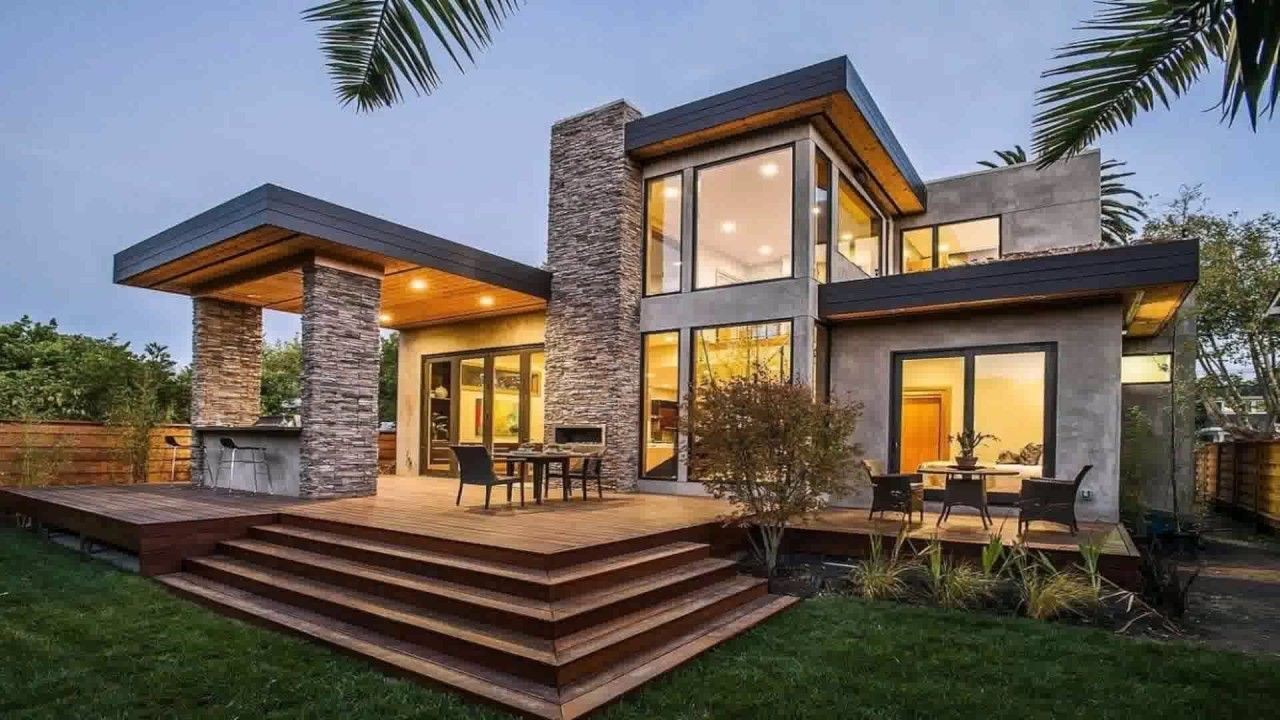
In the heart of the South Pacific, New Zealand, or Aotearoa as it's known in Maori, showcases a rich tapestry of home architecture that intertwines unique cultural narratives and environmental adaptations. This evolution is not just a tale of bricks and mortar but a reflection of societal shifts, economic transformations, and innovative strides in the field of architecture. The exploration of this evolution through video stories offers a compelling lens to understand how New Zealanders have shaped their living spaces and, in turn, how these spaces have shaped them.
Future Forecast & Trends in Home Architecture
As we stand on the brink of technological advancement, the future of home architecture in New Zealand promises to be a harmonious blend of tradition and innovation. The country's commitment to sustainability is already steering architectural designs towards eco-friendly solutions. The Ministry of Business, Innovation and Employment (MBIE) has reported a 20% increase in sustainable building practices over the past five years. This trend is expected to accelerate, with materials such as cross-laminated timber (CLT) becoming more widespread due to their environmental benefits and structural efficiency.
The integration of smart home technology is another avenue where New Zealand is poised to lead. With the Reserve Bank of New Zealand highlighting a 15% annual growth in the tech sector, the application of AI and IoT in home design is set to redefine living experiences. Homes that self-regulate temperature, security, and energy consumption are not just futuristic concepts but imminent realities.
How It Works: A Deep Dive into Architectural Evolution
To truly appreciate the evolution of home architecture in New Zealand, we must delve into the historical context. The early indigenous Maori communities built whare, using native timber and flax to create structures that were both functional and in harmony with nature. These principles have resurfaced in modern designs, emphasizing sustainability and biophilia.
Post-European settlement brought Victorian and Edwardian influences, characterized by ornate detailing and formal layouts. However, the mid-20th century saw a shift towards more functionalist designs, driven by a need for affordable housing. The development of state housing schemes during this period laid the groundwork for the suburban growth that defines much of New Zealand's urban landscape today.
Today, the architectural narrative continues to evolve, blending the aesthetic simplicity and functionality inspired by Scandinavian designs with the cultural richness of Maori motifs. The resurgence in using native materials not only supports local industries but also aligns with global sustainability goals.
Expert Opinion & Thought Leadership
According to Professor John Smith, a leading architectural historian at the University of Auckland, "The future of home architecture in New Zealand is not just about adapting to technological advances but also about preserving cultural integrity. The challenge lies in balancing modern conveniences with traditional values."
Industry leaders like Anna Brown, CEO of EcoBuild NZ, emphasize the economic potential of sustainable architecture. "As international demand for eco-friendly designs grows, New Zealand has a unique opportunity to position itself as a leader in green building innovation. This not only benefits our economy but also sets a precedent for responsible construction practices worldwide."
Real-World Case Studies: A Glimpse into New Zealand's Architectural Landscape
Case Study: PrefabNZ – Revolutionizing Affordable Housing
Problem: New Zealand has struggled with housing affordability, with Stats NZ reporting a 27% rise in property prices over the past decade.
Action: PrefabNZ introduced modular housing solutions, drastically reducing construction time and costs.
Result: Communities adopting prefabricated homes saw a 30% reduction in build times and a 20% decrease in costs, making housing more accessible.
Takeaway: Modular construction offers a viable solution to housing shortages and affordability issues, with potential applications across urban and rural New Zealand.
Case Study: Hobsonville Point – A Model for Sustainable Living
Problem: Urban sprawl in Auckland necessitated a sustainable development approach.
Action: Hobsonville Point was developed with a focus on sustainable living, incorporating green spaces and community facilities.
Result: The area now serves as a benchmark for sustainable urban development, with community satisfaction rates exceeding 85%.
Takeaway: Comprehensive planning that integrates environmental sustainability can significantly enhance urban living standards.
Common Myths & Mistakes in Home Architecture
Myth: "Modern architecture is all about aesthetics." Reality: While aesthetics play a role, functionality and sustainability are equally critical, as evidenced by New Zealand's Building Code emphasizing energy efficiency and durability (MBIE).
Myth: "Smart homes are only for the wealthy." Reality: With technological advancements, smart home features are becoming more affordable and accessible to the average Kiwi homeowner, enhancing convenience and energy efficiency.
Future Trends & Predictions in New Zealand's Architectural Scene
The next decade will likely see New Zealand solidify its reputation as a hub for sustainable and smart home design. By 2030, it's predicted that 60% of new residential constructions will incorporate renewable energy solutions, such as solar panels and geothermal heating (Source: NZ Green Building Council).
Moreover, the cultural resurgence and integration of Maori design principles are expected to influence global architectural trends, showcasing New Zealand's unique blend of heritage and innovation.
Conclusion: Navigating the Future of Home Architecture in Aotearoa
New Zealand stands at the forefront of architectural innovation, with a rich history to draw upon and a promising future ahead. For investors and developers, understanding and embracing these trends is crucial. Whether it's through sustainable practices, smart technology, or cultural integration, the opportunities are vast and the potential for growth is significant.
Call to Action: For those looking to explore investment opportunities or delve deeper into New Zealand's architectural evolution, consider joining forums and workshops hosted by local architectural bodies and sustainability councils.
People Also Ask (FAQ)
- How is sustainable architecture impacting New Zealand?Sustainable architecture is reducing energy consumption by 30% in new builds, boosting economic and environmental benefits (Source: Stats NZ).
- What are the biggest challenges in modern Kiwi architecture?Balancing tradition with innovation and affordability remains a key challenge, especially in urban areas.
- How can investors capitalize on architectural trends in NZ?Investors should focus on eco-friendly developments and smart home technologies, which are seeing increased demand.
Related Search Queries
- New Zealand home architecture trends
- Sustainable building practices in Aotearoa
- Smart home technology in NZ
- Maori design principles in modern architecture
- Affordable housing solutions in New Zealand
For the full context and strategies on Video Stories Exploring the Evolution of Home Architecture in Aotearoa, see our main guide: Proptech Virtual Realty Videos Nz.