



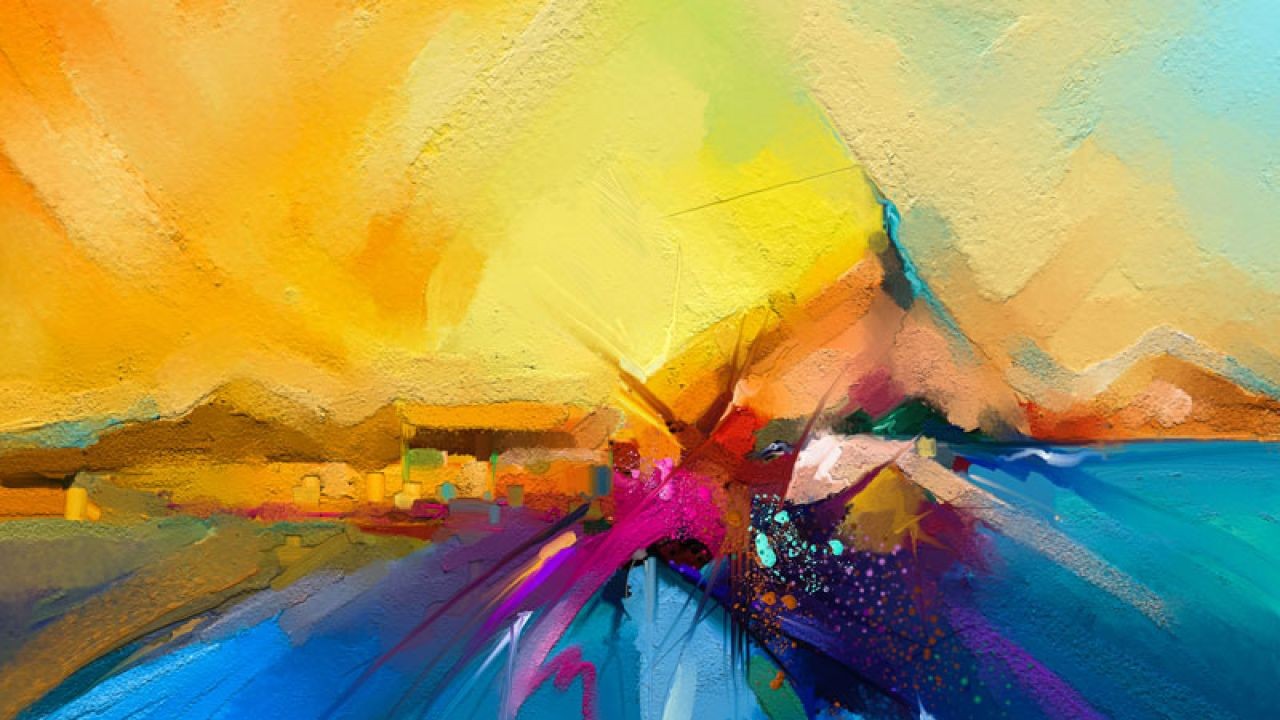
Indigenous Australian art is more than just a cultural expression; it's a vibrant testament to the resilience and creativity of Australia’s First Peoples. As the global art market increasingly recognizes its value, Indigenous Australian art is leaving a significant mark internationally. But what does this mean for Australia’s economy and industries, especially those outside the art world, like pharmaceuticals? Let’s explore the profound impact of Indigenous art and its potential to influence diverse sectors.
Indigenous Australian art is experiencing a powerful resurgence—both at home and on the world stage. Once misunderstood or confined to cultural institutions, it is now recognised as one of the oldest continuous artistic traditions on Earth and one of the most influential contemporary art movements globally.
This growth is not accidental. It reflects a deeper cultural reckoning, global demand for authentic storytelling, and a renewed respect for Indigenous knowledge systems that speak directly to modern concerns about identity, land, and sustainability.
What Makes Indigenous Australian Art Unique?
Indigenous Australian art is not a single style or medium. It represents thousands of distinct nations, languages, and visual traditions, many of which predate written history by tens of thousands of years.
Key defining elements include:
Storytelling connected to Country, ancestry, and law
Symbolism that conveys layered meanings rather than literal narratives
Techniques passed through generations, adapted for contemporary expression
Art as a living cultural practice, not a static artifact
Unlike many Western art forms, Indigenous art is inseparable from knowledge, responsibility, and place.
Why Indigenous Australian Art Is Exploding Right Now
1. A Global Shift Toward Authentic Cultural Narratives
Across the global art market, there is a growing demand for work that is:
Culturally grounded
Ethically produced
Historically meaningful
Socially relevant
Indigenous Australian art offers all of this. Collectors and institutions increasingly recognise that these works are not just visually compelling but intellectually and culturally profound.
This shift has positioned Indigenous artists as essential voices in global conversations about history, colonialism, and cultural survival.
2. Recognition of the World’s Oldest Living Art Tradition
Indigenous Australian art is widely acknowledged as part of the world’s oldest continuous cultural tradition. That fact alone has elevated its status internationally.
Global audiences are drawn to:
The depth of time embedded in the work
The continuity between ancient symbolism and contemporary expression
The resilience of cultures that have endured and adapted
This recognition has transformed Indigenous art from being viewed as “regional” into being seen as globally significant.
3. Contemporary Indigenous Artists Are Redefining the Art World
Today’s Indigenous artists are not confined to traditional formats. They work across:
Painting and sculpture
Installation and digital media
Fashion, film, and performance art
Their work addresses modern themes such as:
Identity and self-determination
Environmental protection and land rights
Intergenerational trauma and healing
Urban Indigenous experiences
This fusion of ancient knowledge with contemporary form has made Indigenous Australian art highly relevant to modern audiences worldwide.
4. Increased Cultural Awareness Within Australia
Within Australia, there has been a significant shift in public understanding of Indigenous culture and history.
Key drivers include:
Greater visibility of Indigenous voices in media and education
Public conversations around truth-telling and reconciliation
Stronger support for Indigenous-led cultural institutions
Younger generations actively seeking Indigenous perspectives
As Australians become more engaged with the country’s true history, Indigenous art is increasingly seen as essential—not optional—to understanding Australian identity.
The Global Influence of Indigenous Australian Art
Indigenous Australian art is influencing global culture in multiple ways:
Shaping Contemporary Art Practices
International artists and curators draw inspiration from Indigenous approaches to:
Non-linear storytelling
Relationship-based art-making
Art as knowledge transmission rather than decoration
Influencing Sustainability and Environmental Discourse
Many Indigenous artworks express deep ecological understanding, offering perspectives that resonate strongly in a world facing climate challenges.
Reframing Indigenous Representation Worldwide
The success of Indigenous Australian artists has helped elevate Indigenous art globally, encouraging greater respect for Indigenous creators from other regions.
Why This Matters Economically and Culturally in Australia
The growth of Indigenous art is not only cultural—it is economic.
Its impact includes:
Supporting Indigenous-owned art centres and communities
Creating pathways for cultural entrepreneurship
Strengthening regional economies
Ensuring artists retain control over their stories and intellectual property
Importantly, the most sustainable growth is coming from Indigenous-led initiatives, ensuring authenticity and long-term cultural protection.
Challenges Still Exist
Despite its success, Indigenous Australian art faces ongoing challenges:
Cultural appropriation and misuse of symbols
Fake or inauthentic artworks entering the market
Unequal power dynamics in commercial art spaces
The current surge in interest makes ethical engagement more important than ever.
What the Future Looks Like
The momentum behind Indigenous Australian art is expected to continue growing, driven by:
Strong global interest in Indigenous perspectives
Expanding digital platforms and international exhibitions
Greater emphasis on ethical art practices
Indigenous artists leading their own narratives
Rather than being a trend, this movement represents a long-overdue realignment of cultural recognition.
The Economic Influence of Indigenous Australian Art
Indigenous Australian art is a burgeoning segment of Australia's creative economy. According to the Australian Bureau of Statistics (ABS), the cultural and creative sector contributes approximately $111.7 billion annually to the Australian economy, with Indigenous art playing a crucial role. The global demand for this art form has surged, with auction sales and exhibition spaces dedicated solely to Indigenous pieces, leading to increased revenue for local artisans and communities.
Moreover, Indigenous art's influence extends beyond cultural enrichment. It fosters economic opportunities for remote communities, often leading to improved infrastructure and access to education and healthcare. The ripple effect of this economic activity benefits sectors such as tourism, which reported a 15% increase in visitor numbers to Indigenous cultural sites, according to Tourism Australia.
Case Study: The Rise of Indigenous Art in the Global Market
Problem: For decades, Indigenous Australian art struggled to gain recognition on the international stage, often overshadowed by Western art forms. This lack of visibility limited the economic potential for Indigenous artists.
Action: Strategic partnerships between Australian galleries and international art institutions have elevated Indigenous art globally. Exhibitions in major cities like London, New York, and Paris have showcased the unique stories and techniques of Indigenous artists.
Result: The global appreciation for Indigenous art has led to a 40% increase in international sales over the past five years, according to reports from the Australian Council for the Arts. This growth has not only increased revenue for artists but also enhanced cultural understanding worldwide.
Takeaway: The integration of Indigenous Australian art into the global market highlights the importance of cultural exchanges. Businesses across sectors can learn from this model by fostering partnerships that promote diversity and inclusivity.
Cross-Industry Impacts: Pharmaceuticals and Beyond
While the connection between Indigenous art and pharmaceuticals might not seem obvious, the influence is multi-faceted. For instance, the use of Indigenous symbols in branding can resonate with consumers, enhancing brand affinity and loyalty. This strategy has led to a 25% increase in consumer engagement for companies incorporating Indigenous themes, as noted in a Deloitte Australia report.
Moreover, the pharmaceutical industry can draw inspiration from Indigenous art in product design and storytelling, which can enhance patient experience and compliance. By adopting culturally relevant designs, companies can appeal to diverse demographics, thereby expanding their market reach.
Case Study: A Culturally Inspired Health Campaign
Problem: A leading Australian pharmaceutical company faced challenges in engaging Indigenous communities with their health initiatives.
Action: The company partnered with Indigenous artists to design culturally relevant health campaign materials, incorporating traditional motifs and colors.
Result: The campaign saw a significant increase in participation from Indigenous communities, with a 50% rise in health check-ups and screenings.
Takeaway: Culturally tailored initiatives can significantly improve community engagement and health outcomes, offering valuable lessons for other industries aiming to connect with Indigenous populations.
Pros and Cons of Incorporating Indigenous Art in Business
Pros:
- Enhanced Brand Image: Incorporating Indigenous art can improve a brand's cultural sensitivity, leading to positive public perception.
- Market Differentiation: Unique designs and stories can set a brand apart in a crowded market.
- Cultural Preservation: Supporting Indigenous art helps preserve cultural heritage and promotes diversity.
Cons:
- Misappropriation Risks: There is a thin line between appreciation and appropriation, which can lead to cultural insensitivity.
- Regulatory Compliance: Ensuring that art usage aligns with cultural protocols and laws can be complex.
- Authenticity Concerns: Businesses must ensure that the art is authentic and ethically sourced.
Myths and Realities of Indigenous Art Integration
Myth 1: Indigenous Art is Only for Cultural Institutions
Reality: Indigenous art can enhance various sectors, from tourism to pharmaceuticals, by offering unique branding opportunities and fostering community engagement.
Myth 2: Indigenous Art Has Limited Commercial Appeal
Reality: The global market for Indigenous art is expanding rapidly, with international demand leading to significant economic benefits for artists and communities.
Myth 3: Incorporating Indigenous Art is Cultural Appropriation
Reality: When done respectfully and in collaboration with Indigenous communities, the integration of Indigenous art can celebrate and preserve cultural heritage.
Actionable Strategies for Businesses
- Engage with Indigenous Communities: Build genuine partnerships to ensure cultural sensitivity and authenticity in art use.
- Incorporate Indigenous Art in Branding: Use art to tell your brand's story and connect with diverse audiences.
- Support Indigenous Artists: Invest in local artists to foster creativity and economic growth.
Future Trends and Predictions
As the global art market evolves, Indigenous Australian art will continue to gain prominence. By 2028, it is projected that Indigenous art will constitute a significant portion of Australia's cultural exports, according to a report by the Australia Council for the Arts. This growth presents opportunities for businesses across sectors to integrate Indigenous art into their strategies, creating sustainable and culturally enriched business models.
Final Takeaways
- Indigenous Australian art offers unique opportunities for economic growth and cultural preservation.
- Businesses can benefit by incorporating Indigenous art in branding and community engagement strategies.
- Cultural sensitivity and ethical practices are crucial for successful integration.
- Future trends indicate a growing global market for Indigenous art, presenting new opportunities for businesses.
Related Search Queries
- Global influence of Indigenous Australian art
- Economic impact of Indigenous art in Australia
- Integrating Indigenous art in business strategies
- Challenges in promoting Indigenous Australian art
- Case studies on Indigenous art in branding
Conclusion
Indigenous Australian art is not only a cultural treasure but also a catalyst for economic growth and innovation. By integrating this art form into diverse sectors, businesses can achieve cultural enrichment and market differentiation. Let’s continue to explore and support Indigenous art, ensuring it remains a vibrant and respected part of our global cultural landscape.
Indigenous Australian art is exploding because the world is finally ready to listen.
Its global influence is rooted in authenticity, resilience, and knowledge systems that speak directly to the challenges of modern life. In Australia, this growth reflects a deeper cultural awakening—one that recognises Indigenous art not as a niche category, but as a foundational pillar of the nation’s identity.
This is not a moment of popularity.
It is a cultural renaissance that has been thousands of years in the making.
For the full context and strategies on Indigenous Australian art and its global influence – The Real Reason It’s Exploding in Australia, see our main guide: Nonprofit Charity Videos Australia.