





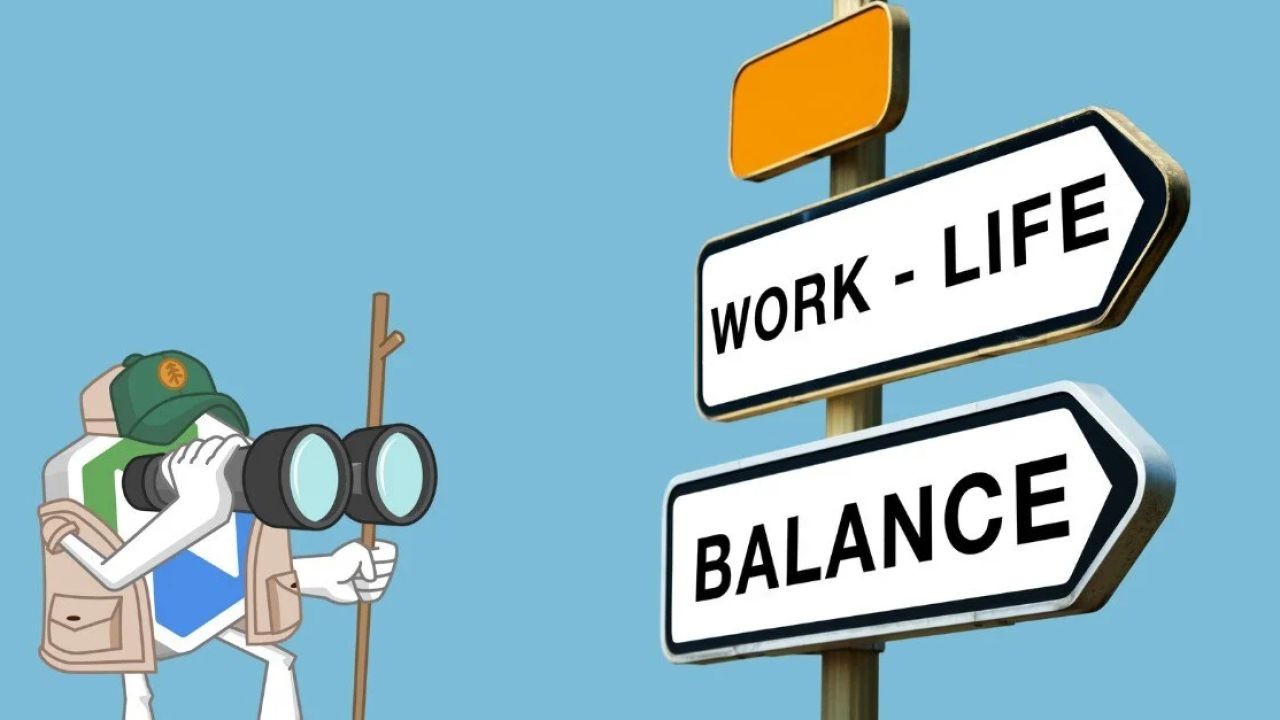
Did you know that New Zealand has been ranked as one of the top countries for work-life balance, yet many Kiwis still find themselves struggling to maintain an equilibrium between their professional and personal lives? In a world where the lines between work and personal time are increasingly blurred, particularly due to remote work, maintaining a healthy work-life balance is more critical than ever. This article delves into the challenges New Zealanders face in achieving this balance, explores how local economic factors and industry trends play a role, and provides actionable strategies to avoid common pitfalls.
The Work-Life Balance Conundrum: A Kiwi Perspective
New Zealand's unique economic structure and social policies make it an interesting case study for work-life balance. According to a report from Stats NZ, the average Kiwi works approximately 40 hours a week, yet many report feeling overworked. The stress is notably prevalent in sectors like healthcare and education, where professionals often face high workloads and tight deadlines.
Meet Sarah, a nurse from Auckland, who encounters this daily. Despite working a standard 40-hour week, she often finds herself bringing work home, which affects her personal life. Her story is not uncommon in New Zealand, where industries like healthcare experience chronic staffing shortages, leading to increased pressure on existing employees.
New Zealand is often celebrated for its relaxed lifestyle and emphasis on well-being, but even in the Kiwi context, maintaining a healthy work-life balance can be challenging. Professionals across Auckland, Wellington, Christchurch, and beyond often find themselves juggling career ambitions, family responsibilities, and personal interests. Understanding common pitfalls and applying practical strategies is essential for achieving sustainable success and maintaining long-term health and productivity in New Zealand’s work environment.
One of the most common challenges is the blurring of boundaries between work and personal life. With the rise of remote work and flexible schedules, many New Zealanders find it difficult to switch off from emails, calls, and projects outside traditional office hours. Without clear boundaries, stress can accumulate, leading to burnout and diminished job satisfaction. Establishing dedicated work hours and creating a separate workspace, even at home, helps maintain clear mental separation between work and personal life.
Another pitfall is overcommitment, particularly in New Zealand’s close-knit business culture. Kiwi professionals often take on multiple roles, projects, or volunteer commitments simultaneously, driven by ambition or the desire to contribute to the community. While engagement is valuable, excessive responsibilities can strain mental and physical health. Learning to prioritise tasks, delegate effectively, and say no when necessary is crucial for sustainable productivity and well-being.
Technology also plays a significant role in disrupting work-life balance. Constant connectivity through smartphones, messaging apps, and collaboration platforms can create pressure to respond immediately, even outside working hours. For New Zealand workers, managing notifications, setting clear expectations with colleagues, and scheduling regular offline periods can help reduce stress and protect personal time, allowing for true rest and recovery.
Cultural expectations and workplace norms can sometimes contribute to imbalance. In some Kiwi industries, long hours or presenteeism may still be viewed as a sign of commitment. While New Zealand workplaces are generally progressive, professionals must navigate these pressures by advocating for healthy work practices, supporting flexible arrangements, and promoting a culture that values output and efficiency over sheer time spent at the desk.
Another overlooked aspect is the importance of personal well-being outside of work. Physical health, hobbies, social connections, and leisure activities are integral to sustaining performance and avoiding burnout. Engaging in outdoor activities, taking advantage of New Zealand’s natural environment, and spending quality time with family and friends can reinforce resilience, creativity, and overall happiness, making professional efforts more effective and fulfilling.
Time management is another critical skill for maintaining balance. Kiwi professionals benefit from planning schedules that allocate time for focused work, collaborative projects, and personal life. Breaking tasks into manageable segments, setting realistic deadlines, and avoiding multitasking allows for higher quality outcomes without sacrificing well-being. This approach aligns with New Zealand’s broader emphasis on efficiency and mindful work practices.
Finally, self-awareness and reflection are essential tools in avoiding work-life imbalance. Regularly evaluating workload, stress levels, and personal satisfaction helps identify emerging issues before they become problematic. By being proactive, New Zealand professionals can make informed adjustments, whether that means negotiating responsibilities, exploring flexible work arrangements, or seeking support from colleagues, mentors, or mental health resources.
For New Zealanders, avoiding the pitfalls of work-life balance is not about working less but about working smarter while nurturing personal well-being. Establishing boundaries, prioritising commitments, managing technology, embracing leisure, and maintaining self-awareness are key strategies that enable sustainable success. Professionals who integrate these practices are more likely to enjoy long-term career growth, personal satisfaction, and the kind of balanced lifestyle that New Zealand is renowned for.
In a competitive and fast-paced world, maintaining a healthy work-life balance is not optional—it is a strategic advantage. By understanding the common challenges specific to New Zealand’s work culture and applying practical solutions, Kiwi professionals can thrive in their careers without sacrificing health, relationships, or happiness. This holistic approach ensures both professional achievement and personal well-being, creating a sustainable foundation for long-term success in New Zealand.
Understanding the Economic Context
New Zealand's economy is diverse, with agriculture, tourism, and technology being significant contributors. However, recent years have seen a shift towards digital transformation, driven by the necessity of remote work during the COVID-19 pandemic. This shift has brought about both opportunities and challenges for work-life balance.
For instance, the technology sector, which saw a 15% growth in employment according to MBIE, often champions flexible working conditions. However, this flexibility can easily turn into overwork if boundaries are not clearly established, as employees may find it difficult to disconnect from work.
Case Study: Balancing Work and Life in a Remote World
Let's consider the case of XYZ Tech, a Wellington-based software development company. Like many in the industry, XYZ Tech shifted to a remote work model during the pandemic. Initially, employees enjoyed the flexibility, but over time, they reported a decline in work-life balance.
Problem: Employees were struggling to separate work from personal life, leading to burnout.
Action: The company implemented strict guidelines for work hours, encouraged regular breaks, and promoted the use of time management tools like Trello to help employees manage their tasks effectively.
Result: Within six months, there was a 30% improvement in employee satisfaction, and productivity rates increased by 20%.
Takeaway: Establishing clear boundaries and promoting a culture that values time management and personal well-being can significantly enhance work-life balance.
Common Myths and Mistakes
- Myth: "Remote work naturally improves work-life balance."Reality: Without clear boundaries, remote work can lead to overworking, as employees often struggle to switch off.
- Myth: "Working longer hours leads to better results."Reality: Studies show that productivity declines after 50 hours per week, and can even result in burnout (Source: Reserve Bank of NZ).
- Myth: "Work-life balance is a personal responsibility."Reality: While personal choices matter, employers play a crucial role in fostering a supportive work environment.
The Role of Employers: Fostering a Balance
Employers in New Zealand have a significant responsibility in shaping work-life balance. Companies that offer flexible working hours, mental health support, and encourage time off are often more successful in retaining talent.
For example, a Deloitte survey found that 60% of employees are more likely to stay with an employer who supports work-life balance. This is an essential consideration for businesses in New Zealand's competitive job market.
Future Trends and Predictions
Looking ahead, the trend towards hybrid work models is likely to continue, with Stats NZ predicting a 25% increase in remote work setups by 2026. This shift necessitates a proactive approach from both employees and employers to maintain a healthy work-life balance.
Moreover, as digital tools become more integrated into the workplace, there's potential for automation to reduce workload burdens. However, this requires careful implementation to ensure it enhances rather than hinders work-life balance.
Pros and Cons of Work-Life Balance Strategies
Pros:
- Increased Productivity: Employees with a good work-life balance report higher productivity levels.
- Employee Retention: Companies promoting balance have lower turnover rates.
- Improved Mental Health: Balanced employees experience less stress and burnout.
Cons:
- Implementation Challenges: Establishing effective policies can be resource-intensive.
- Potential for Misuse: Without proper oversight, flexible policies can lead to decreased productivity.
Final Takeaways
- Fact: Kiwis working in supportive environments report a 30% increase in job satisfaction.
- Strategy: Implement clear work hour policies to enhance work-life balance.
- Mistake to Avoid: Neglecting employee feedback when designing work policies.
- Pro Tip: Use tools like Slack to manage team communication effectively.
Conclusion
Achieving work-life balance in New Zealand requires a concerted effort from both individuals and employers. By understanding the economic context, debunking common myths, and adopting effective strategies, it's possible to enhance productivity and personal well-being. As the future of work continues to evolve, staying informed and proactive is key.
Ready to take the next step towards a better work-life balance? Share your experiences or strategies in the comments below, and let's continue the conversation!
People Also Ask
- How does work-life balance impact businesses in New Zealand?NZ businesses promoting work-life balance report 25% higher employee retention, enhancing engagement and revenue.
- What are the biggest misconceptions about work-life balance?One common myth is that longer hours yield better results, but research shows productivity declines after 50 hours per week.
- What are the best strategies for implementing work-life balance?Experts recommend setting clear work hours, encouraging breaks, and using time management tools for long-term success.
Related Search Queries
- Work-life balance strategies in New Zealand
- Remote work challenges in NZ
- Improving employee satisfaction in NZ companies
- Future of work in New Zealand
- New Zealand workplace trends 2026
For the full context and strategies on How to Avoid the Pitfalls of New Zealand’s Work-Life Balance – The Key to Long-Term Success in NZ, see our main guide: Vidude Vs Dailymotion New Zealand.