





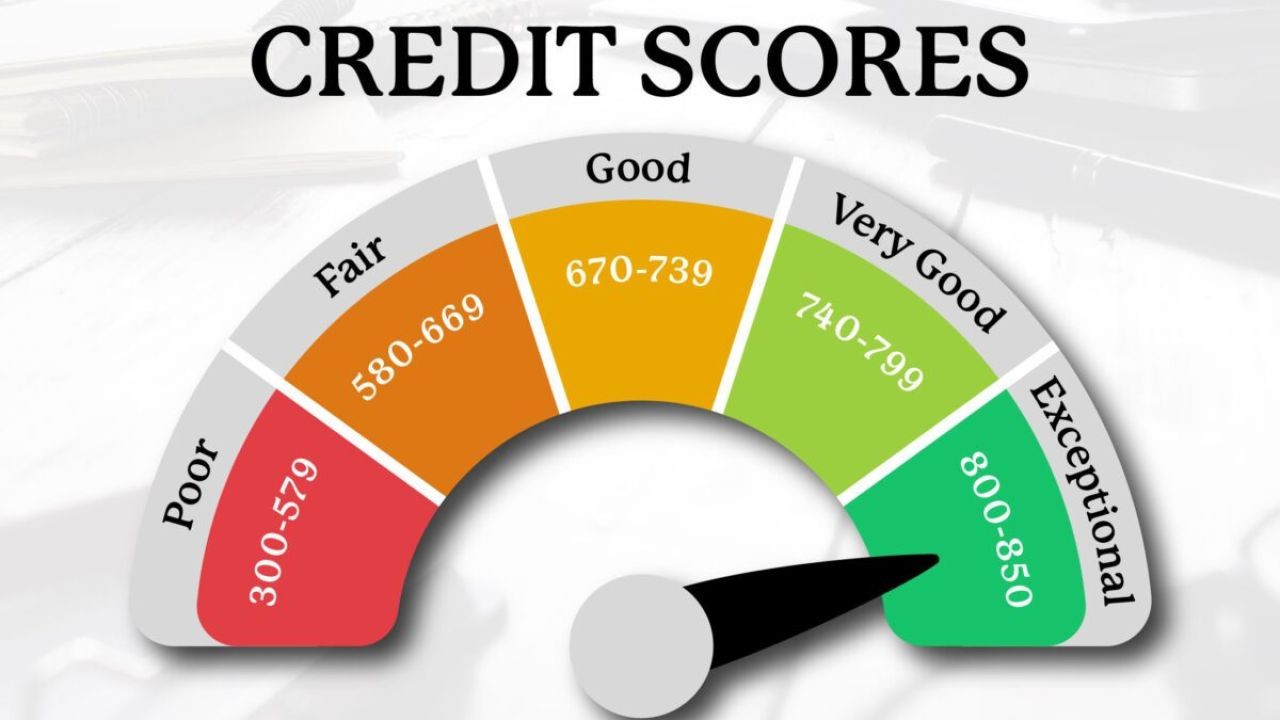
Understanding credit scores in Australia is not just about knowing your number; it's about understanding the financial behaviors and systemic factors that influence it. Recent trends in the Australian economy and the regulatory landscape play a significant role in shaping how these scores are calculated and interpreted. This article will delve into the intricacies of credit scores, exploring their hidden meanings and their broader impact on individuals and businesses in Australia.
In Australia, a credit score is more than just a number—it’s a powerful indicator of financial health that can influence borrowing capacity, interest rates, and even access to certain services. While many Australians focus on the visible effects of their credit score, such as loan approvals, few understand the deeper implications behind this key financial metric. Unlocking these hidden insights is essential for managing personal finances and navigating the evolving Australian financial landscape.
A credit score in Australia typically ranges from 0 to 1,200, depending on the credit reporting agency, with higher scores reflecting stronger creditworthiness. Lenders use this score to assess the risk associated with extending credit, including personal loans, credit cards, and mortgages. Beyond approvals, the score can impact the cost of borrowing, with higher scores often resulting in lower interest rates and more favourable loan conditions. For Australian consumers, understanding this connection is critical for long-term financial planning.
Several factors contribute to a credit score, some of which may surprise Australians. Payment history is paramount, with late payments or defaults significantly lowering scores. Credit utilisation—the ratio of current debt to total available credit—also plays a crucial role. Even short-term borrowing decisions, such as using a credit card frequently without paying off balances in full, can subtly affect the score over time. Understanding these nuances allows Australians to make informed choices that improve creditworthiness and financial flexibility.
Length of credit history and the variety of credit accounts are additional hidden influencers. Lenders in Australia consider not only how long an individual has held credit but also how responsibly they manage different types of accounts. For example, having a combination of credit cards, personal loans, and a mortgage can demonstrate financial maturity and stability when managed well. Consumers who overlook these factors may miss opportunities to optimise their credit profile and secure better lending terms.
Soft inquiries and hard inquiries also impact credit scores differently. Checking one’s own credit report in Australia is considered a soft inquiry and does not lower the score. In contrast, applications for new credit generate hard inquiries, which can temporarily reduce the score if too many occur in a short period. Being strategic about when and how often to apply for new credit is essential for Australians seeking to maintain or improve their financial standing.
Beyond personal finance, credit scores influence broader aspects of the Australian market. For businesses, consumer credit behaviour affects lending policies, interest rates, and product offerings. Trends in credit scoring can signal shifts in economic confidence, influencing how lenders assess risk and structure financial products. Australians who understand these patterns can anticipate market movements, optimise borrowing strategies, and position themselves advantageously in the evolving financial landscape.
Monitoring and managing credit scores is now easier than ever in Australia. Several platforms and government-backed resources allow consumers to access their credit report, review details, and identify areas for improvement. Regular monitoring helps Australians detect errors, prevent fraud, and take proactive steps to enhance their score. By leveraging these tools, individuals can make informed decisions that support both immediate financial needs and long-term goals.
Ultimately, a credit score in Australia is not just a reflection of past borrowing behaviour—it is a strategic tool that can shape financial opportunities, borrowing costs, and market access. Understanding the hidden meaning behind this number enables Australians to make smarter decisions, avoid pitfalls, and capitalise on favourable lending conditions. As the financial landscape continues to evolve, credit scores remain a critical metric that every Australian should watch closely to maximise financial growth and security.
What Exactly Does Your Credit Score Represent?
Your credit score is a numerical representation of your creditworthiness, influenced by factors such as your payment history, the amount of debt you have, the length of your credit history, new credit inquiries, and the types of credit you use. In Australia, credit scores range from 0 to 1,200, with higher scores indicating better creditworthiness.
Credit scores are crucial for financial institutions when determining eligibility for loans or credit cards. However, they are also a reflection of broader economic behaviors. According to the Reserve Bank of Australia (RBA), fluctuations in national economic activities, such as interest rate changes, can indirectly influence individual credit scores by affecting consumer debt levels and repayment capacities.
How Do Australian Economic Trends Affect Credit Scores?
The economic landscape in Australia significantly impacts credit scores. For instance, during periods of economic growth, individuals are more likely to seek credit, leading to more inquiries and potentially lower scores if not managed properly. Conversely, during economic downturns, there may be a rise in defaults, impacting scores negatively. A report by the Australian Bureau of Statistics (ABS) highlights that household debt levels have a direct correlation with credit score variations, with higher debt levels contributing to lower average scores across the population.
Case Study: The Impact of Interest Rate Changes
Consider the recent decision by the RBA to increase interest rates as a measure to curb inflation. This move has had a ripple effect on consumer credit scores. With higher interest rates, the cost of borrowing increases, leading to higher monthly repayments for existing debts. As a result, individuals who fail to adjust their budgets accordingly may miss payments, thus negatively affecting their credit scores.
This scenario underscores the importance of staying informed about economic policies and adjusting personal financial strategies to mitigate adverse impacts on credit scores.
What Role Do Regulatory Bodies Play in Credit Scoring?
The Australian Competition & Consumer Commission (ACCC) and the Australian Securities and Investments Commission (ASIC) play pivotal roles in regulating credit reporting practices. These bodies ensure that credit reporting agencies comply with privacy laws and provide accurate information. Recent regulations have focused on enhancing transparency and consumer rights in credit reporting, allowing individuals greater access to their credit information and the ability to dispute inaccuracies.
Moreover, the introduction of the Comprehensive Credit Reporting (CCR) system has transformed how credit information is shared among financial institutions. This system includes positive credit behaviors, such as timely payments, thus providing a more balanced view of an individual's creditworthiness. This shift has been beneficial for many Australians, who now see improvements in their credit scores due to positive financial behaviors previously unreported.
Case Study: Comprehensive Credit Reporting Benefits
Since the implementation of CCR, individuals with a history of responsible credit use have seen significant improvements in their credit scores. For example, a study by the University of Sydney found that 65% of participants experienced an increase in their credit scores within the first year of CCR implementation. This improvement is attributed to the inclusion of positive credit information that was not previously considered.
What Are the Common Myths About Credit Scores in Australia?
- Myth: Checking your credit score lowers it.
- Reality: This is false. Checking your own credit score is considered a "soft inquiry" and does not impact your score. It is a useful tool for monitoring your financial health.
- Myth: Closing old credit accounts improves your score.
- Reality: Closing old accounts can actually hurt your score by reducing your overall credit history length and available credit, thereby increasing your credit utilization ratio.
- Myth: A high income guarantees a high credit score.
- Reality: Income is not considered in credit score calculations. Scores are based on credit behaviors, not your earnings, although a stable income can help manage credit effectively.
What Are the Biggest Mistakes to Avoid?
- Mistake: Ignoring credit reports.
- Solution: Regularly review your credit report to spot errors. The ACCC emphasizes the importance of correcting inaccuracies to maintain a healthy credit score.
- Mistake: Making late payments.
- Solution: Set up automatic payments or reminders to ensure timely bill payments, as payment history is a significant factor in your score.
- Mistake: Applying for multiple credit accounts in a short period.
- Solution: Space out credit applications to avoid multiple hard inquiries, which can lower your score.
What Are the Pros and Cons of Understanding Credit Scores?
Pros:
- Higher credit scores can lead to better loan terms and interest rates.
- A good score reflects responsible financial behavior, which can be advantageous for rental agreements and employment screenings.
- Understanding your score can empower you to make informed financial decisions.
Cons:
- Focusing too much on the score can lead to financial anxiety.
- Misunderstanding factors affecting scores can lead to poor financial decisions.
- The complex calculation process can be difficult for some to understand, leading to misconceptions.
What Does the Future Hold for Credit Scoring in Australia?
The future of credit scoring in Australia is likely to be shaped by technological advancements and changes in regulatory frameworks. The integration of artificial intelligence in credit assessment processes could lead to more personalized and accurate credit evaluations. According to a report by Deloitte, AI systems can analyze vast amounts of data more efficiently, potentially offering a more comprehensive view of an individual's creditworthiness.
Moreover, as Australia's economy continues to evolve, with growing sectors like technology and renewable energy, the factors influencing credit scores may also shift, requiring individuals and businesses to adapt their financial strategies accordingly.
Conclusion
Understanding the secret meanings behind your credit score in Australia involves recognizing the dynamic interplay of economic trends, regulatory changes, and personal financial behaviors. By staying informed and proactive, individuals can navigate these complexities to maintain a healthy credit profile. As the landscape continues to evolve, keeping abreast of these changes will be crucial for financial success. What strategies have you found effective in managing your credit score? Share your thoughts and experiences below!
People Also Ask (FAQ)
- How does a credit score impact borrowing in Australia?
- Your credit score affects your eligibility for loans and the interest rates you may receive. A higher score can lead to better terms and lower interest rates.
- What factors most influence credit scores in Australia?
- Payment history, credit inquiries, the length of credit history, and credit utilization are key factors.
- How often should I check my credit score?
- It's advisable to check your credit score at least once a year to monitor your financial health and catch any inaccuracies early.
Related Search Queries
- Australian credit score system
- How to improve credit score Australia
- Impact of credit score on loan approval
- Comprehensive Credit Reporting Australia
- Credit score myths in Australia
- Future of credit scoring technology
- Role of ASIC in credit reporting
- Understanding credit inquiries
For the full context and strategies on The Secret Meaning Behind Your Credit Score in Australia – A Must-Watch Trend in the Aussie Market, see our main guide: Australia Business.