


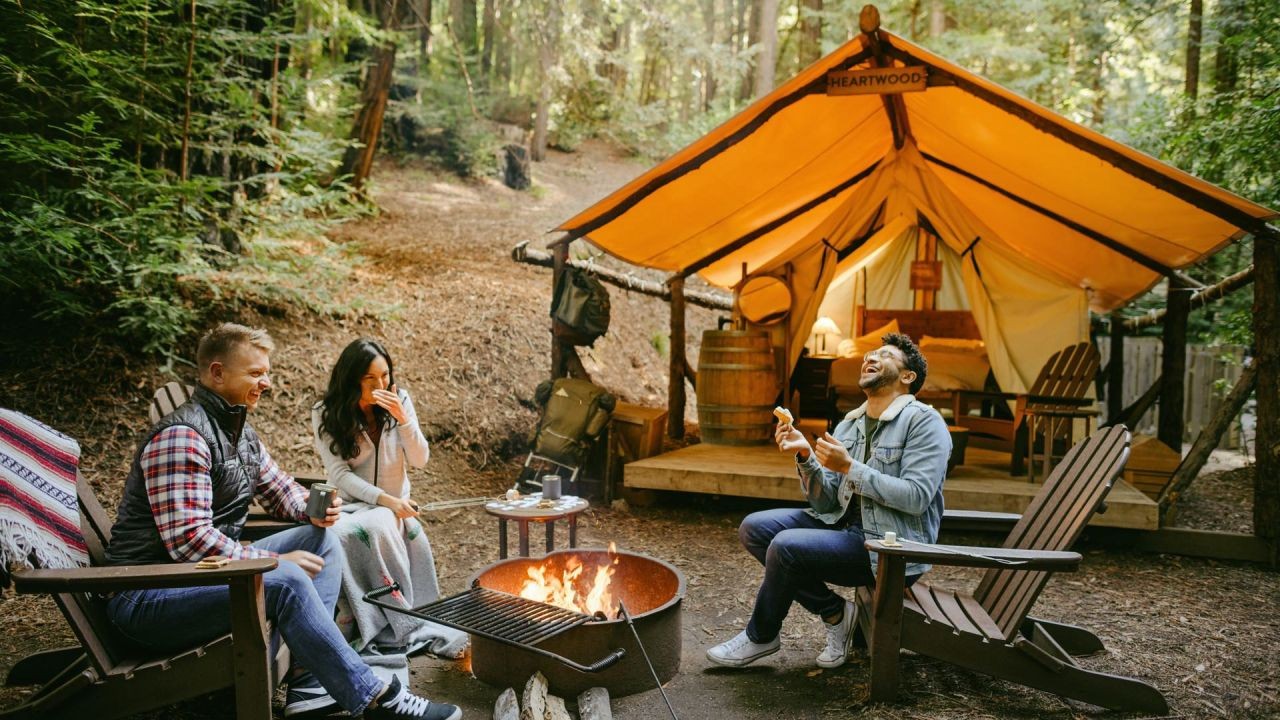
Camping in national parks in Australia offers an unparalleled opportunity to connect with the country's stunning natural landscapes. However, it's essential for campers to understand the regulations to avoid fines, which can be substantial. This Q&A-style explainer will provide insights and data-backed guidance to help campers enjoy their experience without the worry of penalties.
Camping in Australia’s national parks offers a unique opportunity to connect with nature, explore breathtaking landscapes, and enjoy the country’s outdoor lifestyle. However, failing to comply with park rules can result in fines that quickly turn an adventure into an expensive experience. Understanding regulations, planning carefully, and respecting the environment are essential for a hassle-free and rewarding visit.
The first step to avoiding fines is knowing where you are allowed to camp. Many national parks restrict camping to designated areas, which are clearly marked and often provide basic facilities. Setting up camp outside these zones, even with good intentions, is a common cause of penalties. Researching park websites or contacting local rangers before arrival ensures you are aware of boundaries and permitted sites.
Permits and bookings are another critical factor. Some Australian national parks require permits for overnight stays, especially during peak seasons or in high-demand areas. These permits are typically inexpensive and easy to obtain online, but failure to secure one can lead to fines. Booking in advance also guarantees a legal and safe camping spot, removing uncertainty and stress.
Respecting park rules on fire, waste, and wildlife is equally important. Many national parks enforce strict regulations to prevent bushfires, protect ecosystems, and maintain safety. Campfires are often restricted or banned in high-risk seasons, and littering or feeding wildlife can result in significant fines. Following instructions for waste disposal, fire safety, and wildlife interaction protects both visitors and the environment.
Vehicle restrictions are another area where campers frequently encounter penalties. Some parks limit access to certain roads or require four-wheel-drive vehicles for specific tracks. Parking in prohibited areas or driving on unsealed tracks without permission can attract fines. Observing signage and adhering to road rules ensures safe and legal exploration of Australia’s natural spaces.
Noise and behaviour regulations also exist to preserve the experience for all visitors. Excessive noise, vandalism, or disregard for other campers can result in warnings or fines. Simple measures such as keeping music low, respecting quiet hours, and following ranger instructions contribute to a positive camping experience and avoid unnecessary penalties.
Insurance and emergency preparedness are additional considerations for responsible camping. While not directly linked to fines, having personal insurance and an emergency plan reduces risk in remote areas, ensuring that minor mishaps do not escalate into serious legal or financial problems. Rangers and park staff appreciate visitors who are prepared and cooperative.
Finally, staying informed about seasonal restrictions is essential. Parks may impose temporary closures, restricted areas, or additional requirements during extreme weather, wildlife breeding seasons, or hazard periods. Regularly checking updates from park authorities before and during your trip keeps your camping experience legal and safe.
By following these strategies, campers in Australia can enjoy national parks without the stress of fines or penalties. Legal compliance, environmental awareness, and proactive planning are the keys to a successful adventure. For anyone seeking to experience Australia’s natural beauty responsibly, preparation is the best guarantee of a memorable and trouble-free visit.
Why Are Regulations Important When Camping in National Parks?
Regulations are crucial to preserving the natural environment and ensuring the safety of all visitors. Australia's national parks are home to unique ecosystems and wildlife, and following set rules helps protect these precious resources. According to the Australian Bureau of Statistics, tourism and recreation activities in parks contribute significantly to the economy, with over AUD 23 billion in direct spending annually. Maintaining these environments is crucial for sustaining this economic impact.
What Are the Common Mistakes Campers Make That Lead to Fines?
- Unauthorized Camping: Camping outside designated areas is a primary reason for fines. Each park has specific zones where camping is allowed, and setting up elsewhere can lead to penalties.
- Fires and Barbecues: Ignoring fire bans or using unauthorized equipment can result in fines. Fire safety regulations are strictly enforced to prevent bushfires.
- Wildlife Interference: Feeding or disturbing wildlife is prohibited and can lead to fines. It's essential to keep a safe distance from animals and avoid feeding them.
- Littering: Leaving trash or failing to dispose of waste properly can incur fines. Visitors should follow the "leave no trace" principle to protect the environment.
How Can Campers Ensure They Follow the Rules?
To avoid fines, campers should:
- Check Park Regulations: Before visiting, review the specific rules and guidelines for the national park you plan to camp in. This information is typically available on the park's official website or through local visitor centers.
- Obtain Necessary Permits: Some parks require permits or reservations for camping. Ensure you have the necessary documents before your trip.
- Adhere to Signage: Follow all posted signs regarding camping zones, fire restrictions, and wildlife interactions.
- Practice Responsible Camping: Use designated facilities for waste disposal and avoid disturbing the local flora and fauna.
Are There Any Unique Considerations for Camping in Australia’s National Parks?
Australia’s diverse climate and ecosystems mean that campers must be prepared for varying conditions. For instance, the tropical north can have heavy rains, while the southern regions may experience cooler temperatures. Additionally, campers should be aware of the presence of dangerous wildlife, such as snakes and spiders, and take appropriate precautions.
What Are the Economic Implications of Fines for Campers?
Fines for violating park regulations can range from AUD 200 to several thousand dollars, depending on the severity of the infraction. The Australian Competition & Consumer Commission (ACCC) emphasizes the importance of adhering to rules not only to avoid financial penalties but also to protect the natural resources that attract millions of tourists each year. These fines also serve as a deterrent to ensure compliance with environmental protection laws.
How Can Technology Help Campers Avoid Fines?
Smartphone apps and online platforms can provide real-time updates on park regulations and fire bans. For example, the "Parks Australia" app offers comprehensive information about park facilities, maps, and safety alerts. Leveraging technology can help campers stay informed and compliant with the latest guidelines.
What Are the Long-Term Benefits of Following Camping Regulations?
By adhering to park regulations, campers contribute to the conservation of Australia's natural heritage, ensuring that future generations can also enjoy these pristine environments. Additionally, responsible camping practices help sustain the economic benefits derived from eco-tourism, which supports local communities and conservation efforts.
Case Study: Effective Park Management in Kakadu National Park
Kakadu National Park, a UNESCO World Heritage site, has implemented a robust management plan that balances human activity with environmental protection. The park authorities have established clear zones for camping, developed educational programs for visitors, and enforced strict penalties for non-compliance. As a result, Kakadu has maintained its ecological integrity while accommodating over 250,000 visitors annually. This approach serves as a model for other parks aiming to preserve their natural landscapes.
What Are the Biggest Myths About Camping in National Parks?
- Myth: "You can camp anywhere in national parks." Reality: Camping is restricted to designated areas to minimize environmental impact and maintain visitor safety.
- Myth: "It's safe to feed wildlife if they approach you." Reality: Feeding wildlife can alter their natural behaviors and pose health risks to both animals and humans.
- Myth: "No one enforces park regulations." Reality: Park rangers and local authorities actively enforce regulations, and violations can lead to significant fines.
What Future Trends Could Impact Camping Regulations in Australia?
As climate change continues to affect weather patterns, national parks may implement stricter regulations regarding fire safety and water conservation. Additionally, advancements in technology could lead to more sophisticated monitoring systems to ensure compliance with park rules. The Australian government's ongoing commitment to environmental sustainability suggests that regulations will evolve to address new ecological challenges.
Final Takeaways
- Stay Informed: Always check the latest park regulations before your trip.
- Be Prepared: Equip yourself with the necessary permits and safety gear.
- Respect Nature: Follow the "leave no trace" principle to preserve the environment.
- Embrace Technology: Use apps and online resources to stay updated on park rules and conditions.
- Contribute to Conservation: By following regulations, you help sustain the natural beauty of Australia's national parks for future generations.
By understanding and adhering to the regulations, campers can enjoy a safe and memorable experience in Australia’s national parks. What strategies have you found effective in ensuring a responsible camping experience? Share your thoughts and tips with us.
People Also Ask
How does following park regulations impact the environment? Adhering to park regulations helps protect natural habitats, ensuring the preservation of ecosystems and biodiversity for future generations.
What are the consequences of violating camping rules in Australia? Fines for violating camping rules can be substantial, ranging from AUD 200 to several thousand dollars, depending on the severity of the infraction.
Why is it important to use designated camping areas? Using designated camping areas minimizes environmental impact and ensures visitor safety by concentrating human activity in specific zones.
Related Search Queries
- Camping regulations in Australia
- Fines for illegal camping in national parks
- How to camp responsibly in Australia
- Best national parks for camping in Australia
- Technology for safe camping in national parks
- Fire safety regulations in Australian parks
- Wildlife conservation in Australia
- Environmental impact of camping
- Camping permit requirements in Australia
- Leave no trace camping principles
For the full context and strategies on How to Avoid Fines When Camping in National Parks – The Best Approach for Success in Australia, see our main guide: Aviation Airport Videos Australia.