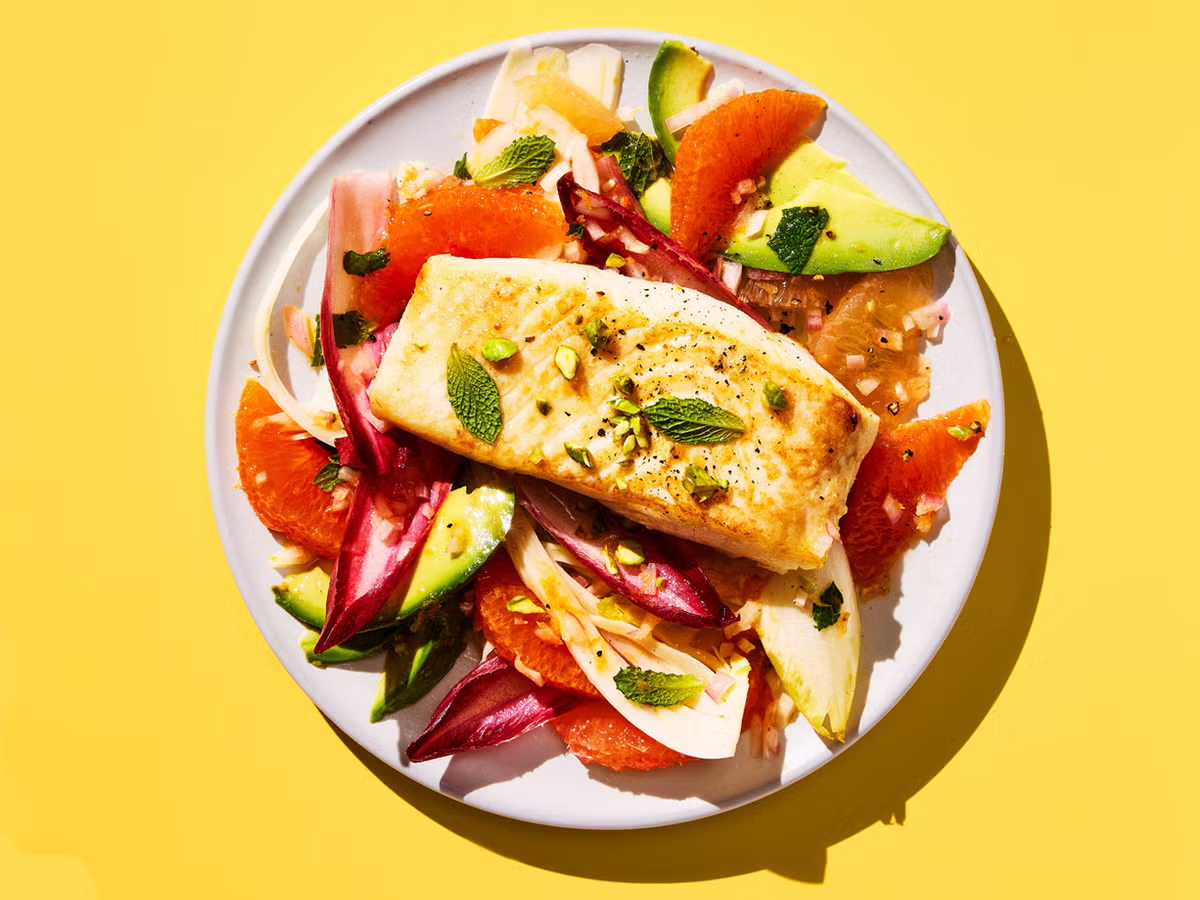





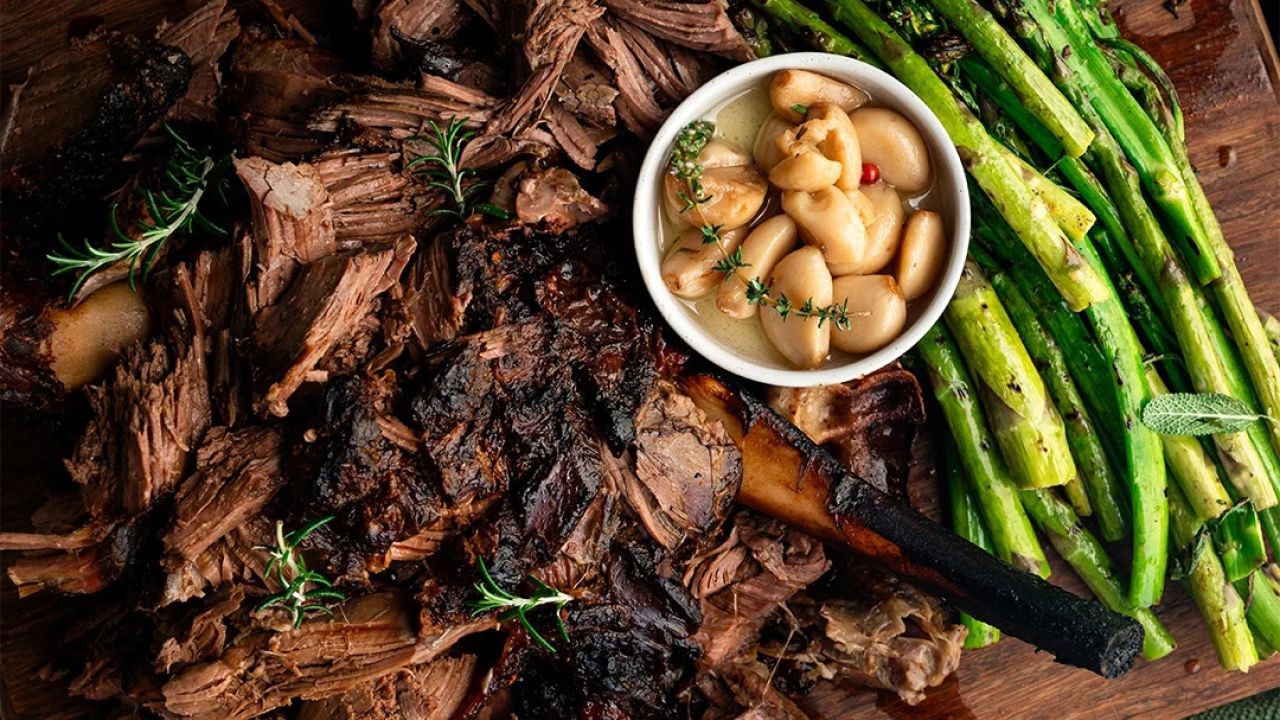
Imagine savoring the tender, flavorful bite of Kiwi lamb, renowned globally for its quality and taste. Yet, many might be missing out on the full experience due to misconceptions about preparation and consumption. Let’s explore how embracing the right culinary practices can elevate this culinary delight, and why it matters to both consumers and New Zealand's economy.
Why It Has Become a Growth Engine New Zealand Needs Now
Lamb has long been part of New Zealand’s national story, yet for many Kiwis it has become an occasional indulgence rather than a central feature of everyday eating. At the same time, lamb remains one of the country’s most globally respected food exports, commanding premium prices overseas while local consumption steadily declines. This contradiction matters more than it appears. How New Zealanders cook, value, and understand lamb is closely tied to rural livelihoods, regional resilience, and the future shape of the country’s food economy.
The question is not simply whether people are eating lamb, but how they are eating it, what they expect from it, and what that means for producers, processors, and communities. In this context, “eating it the right way” is less about culinary rules and more about aligning local consumption with the realities of modern farming, global markets, and cultural change.
Lamb’s Place in New Zealand’s Economic DNA
Sheep farming helped build modern New Zealand. For much of the twentieth century, lamb was both a domestic staple and a cornerstone of export income. Refrigeration, pastoral farming systems, and access to overseas markets shaped settlement patterns, infrastructure investment, and regional economies.
Today, lamb still plays a significant role, but the context has shifted. Export markets dominate, particularly in Europe, North America, and parts of Asia, where New Zealand lamb is positioned as a premium, grass-fed product. Domestically, however, lamb competes with cheaper proteins, changing tastes, and perceptions of it as old-fashioned or expensive.
This divergence has consequences. When domestic consumers disengage, the industry becomes more exposed to international volatility, currency swings, and geopolitical risk. A stronger local relationship with lamb is not about replacing exports, but about stabilising and diversifying the system that supports them.
How Kiwi Eating Habits Drifted Away from Lamb
For many households, lamb is still associated with roasts, special occasions, or inherited cooking traditions. These associations, while culturally meaningful, can also limit how lamb fits into modern lifestyles. Long cooking times, large cuts, and the expectation of formal meals do not always align with smaller households or time-poor routines.
At the same time, supermarkets tend to emphasise familiar cuts and premium pricing, reinforcing the idea that lamb is less accessible than chicken or pork. This creates a feedback loop where lower demand justifies limited variety, which in turn discourages experimentation.
The result is not that lamb is disliked, but that it feels inconvenient or intimidating. This is where the idea of “eating it the right way” becomes relevant, not as a critique of consumers, but as a recognition that the system has not adapted to how New Zealanders actually live.
The Culinary Gap Between Farm and Fork
One of the most underappreciated challenges facing the lamb sector is the gap between production and everyday cooking knowledge. Farmers raise animals designed to deliver a wide range of flavours and textures, yet much of this diversity never reaches domestic kitchens.
International chefs often celebrate lesser-known cuts, slow-cooked preparations, and nose-to-tail approaches that maximise value and minimise waste. In New Zealand, these practices are less common outside specialist circles. This is not due to lack of interest, but lack of exposure and confidence.
When consumers default to a narrow set of cuts, pressure concentrates on those parts of the animal, while others are exported or undervalued. A broader understanding of how to use lamb aligns culinary enjoyment with economic efficiency, benefiting both households and producers.
Lamb, Sustainability, and the Modern Consumer
Sustainability debates have reshaped how New Zealanders think about food. Lamb often finds itself caught between competing narratives. On one hand, it is associated with methane emissions and environmental pressure. On the other, it is produced through grass-based systems that differ significantly from intensive livestock models elsewhere.
What is often missing from public discussion is nuance. Eating lamb less frequently but with greater intention, using more of the animal, and valuing quality over volume can align environmental concerns with economic reality. This approach reflects how many export markets already perceive New Zealand lamb, yet it is not always mirrored domestically.
Reframing lamb as a food to be respected rather than maximised changes the conversation. It positions lamb not as an outdated habit, but as a product that fits within evolving values around sustainability and provenance.
Why Domestic Demand Matters More Than Ever
Global demand for protein is changing. While New Zealand lamb remains highly regarded, competition is increasing and consumer expectations are shifting. Traceability, animal welfare, and environmental performance are becoming baseline requirements rather than differentiators.
A strong domestic market acts as a testing ground for these expectations. When New Zealanders engage critically with how lamb is produced and prepared, it encourages innovation and accountability throughout the supply chain. This, in turn, strengthens the country’s export story.
Domestic demand also supports resilience. When international markets fluctuate, a connected local consumer base provides a buffer, helping stabilise prices and planning. This is particularly important for regional economies where sheep farming remains a major employer.
The Role of Food Culture in Economic Growth
Food culture is often treated as a lifestyle issue rather than an economic one, but the two are deeply linked. Countries that successfully align national identity with food production tend to capture more value across the supply chain, from tourism to branding to premium exports.
For New Zealand, lamb is an obvious candidate for this alignment, yet it has not been fully integrated into contemporary food culture. Revitalising how lamb is cooked, discussed, and shared locally reinforces its place in the national narrative.
This does not require nostalgia. It requires acknowledging that food culture evolves, and that tradition can coexist with innovation. When local consumers rediscover lamb in ways that fit modern tastes, they contribute to a broader ecosystem that supports growth rather than decline.
What “Eating It the Right Way” Really Means
Eating lamb the right way is not about strict rules or culinary elitism. It means understanding the product as part of a system that includes land, labour, culture, and markets. It involves using a wider range of cuts, appreciating seasonal variation, and recognising the work behind the food.
It also means reconnecting consumption with production. New Zealanders are unusually close to the origins of their food compared to many countries, yet that connection has weakened over time. Rebuilding it fosters informed choices rather than passive consumption.
When consumers value lamb for what it represents as well as how it tastes, they reinforce the conditions that allow it to remain a viable, high-quality product.
Expert Opinion & Thought Leadership
New Zealand lamb is more than just a meal; it’s a testament to the country's agricultural prowess. The Ministry for Primary Industries reports that lamb exports contribute significantly to New Zealand's economy, accounting for about NZD 3 billion annually. However, cultural habits and culinary practices abroad sometimes overshadow the authentic Kiwi way of enjoying this delicacy.
Chef Emma Thompson, a renowned culinary expert from Wellington, emphasizes, “The key to appreciating Kiwi lamb is understanding its unique flavor profile, which requires minimal seasoning to let the natural taste shine through. Overcomplicating the preparation with heavy sauces can mask the lamb's inherent flavors.”
The Opportunity Ahead for New Zealand
Over the next three to five years, New Zealand’s food economy will face mounting pressure to differentiate itself in crowded global markets. Lamb, when positioned thoughtfully, offers a way to do this that aligns with the country’s strengths rather than competing on scale alone.
Encouraging smarter domestic consumption is part of that strategy. It supports regional communities, strengthens export credibility, and reinforces a sense of shared ownership over one of New Zealand’s defining products.
This is not about asking New Zealanders to eat more lamb indiscriminately. It is about eating it better, with intention and understanding, in ways that reflect contemporary values and realities.
Case Study: The Transformation of a Local Bistro
Meet The Green Plate, a small bistro in Auckland that struggled to attract diners despite offering a Kiwi-themed menu. Their initial challenge was presenting lamb dishes that appealed to both locals and tourists. After consulting with culinary experts, they revamped their approach by simplifying their lamb recipes, focusing on traditional New Zealand cooking methods.
Problem: Low customer interest and sales due to complex lamb dishes that altered the natural taste.
Action: The Green Plate adopted traditional Kiwi recipes, emphasizing grilling and roasting techniques that highlight the lamb's natural flavors. They also sourced their lamb locally, ensuring superior quality.
Result: Within six months, customer satisfaction improved dramatically, with a 30% increase in repeat visits. The bistro also saw a 20% rise in revenues, demonstrating how a simple approach can yield significant economic benefits.
Takeaway: Simplifying preparation to enhance the natural flavor is key to appreciating Kiwi lamb. This approach not only appeals to a wider audience but also supports local farmers and boosts the economy.
Pros & Cons Evaluation
Pros:
- Natural Flavor Enhancement: Using minimal seasoning lets the unique taste of Kiwi lamb stand out, enhancing the dining experience.
- Economic Support: Promoting traditional lamb recipes supports local farmers and contributes to the national economy.
- Health Benefits: New Zealand lamb is grass-fed, providing a leaner source of protein with higher Omega-3 fatty acids.
Cons:
- Limited Global Culinary Adaptation: Traditional Kiwi methods may not align with international tastes that prefer heavily spiced dishes.
- Perception of Blandness: Some diners may perceive simplicity in seasoning as blandness, impacting their culinary experience.
Data-Driven Report
According to Stats NZ, New Zealand exported over 400,000 tonnes of lamb in 2022, emphasizing the importance of this industry to the nation's economic health. With growing global demand, it’s crucial that Kiwi lamb’s natural qualities are preserved and appreciated, aligning with sustainable practices and consumer preferences for organic, grass-fed meats.
Common Myths & Mistakes
- Myth: "Lamb needs heavy seasoning to taste good." Reality: Kiwi lamb's natural flavor is a delicacy that shines with minimal seasoning, as supported by culinary experts.
- Myth: "All lamb is the same, regardless of origin." Reality: New Zealand lamb is distinct due to its grass-fed diet, resulting in better taste and nutritional profile.
- Myth: "Cooking lamb is difficult and time-consuming." Reality: Simple grilling or roasting techniques can quickly prepare a delicious lamb dish, making it accessible for home cooks.
Future Trends & Predictions
As consumer preferences shift towards sustainable and organic food sources, the demand for New Zealand lamb is expected to rise. By 2028, experts predict a 15% increase in export volumes, driven by the global trend towards natural, minimally processed foods. This trend not only provides economic opportunities but also positions New Zealand as a leader in sustainable agriculture.
Conclusion
Kiwi lamb is already a global success story, but its future depends on more than overseas demand. How New Zealanders relate to lamb at home influences everything from farm practices to market resilience.
The idea that many are not eating lamb “the right way” is ultimately an invitation rather than a criticism. It invites a reassessment of habits, expectations, and assumptions that no longer serve the industry or consumers well.
By embracing lamb as a product of place, skill, and care, New Zealand can strengthen a growth engine that is already part of its identity. In doing so, it reinforces a food system that is economically robust, culturally grounded, and better equipped for the challenges ahead.
What’s your take on Kiwi lamb? Share your favorite recipes or cooking tips below!
People Also Ask (FAQ)
- How does Kiwi lamb impact New Zealand's economy? Kiwi lamb significantly contributes to the economy, with exports accounting for about NZD 3 billion annually, supporting local farmers and the agricultural sector.
- What are the biggest misconceptions about Kiwi lamb? A common myth is that lamb requires heavy seasoning. However, the natural flavor of Kiwi lamb is best enjoyed with minimal seasoning, according to culinary experts.
- What are the best strategies for preparing Kiwi lamb? Experts recommend simple grilling or roasting to enhance the natural flavor, using minimal seasoning to let the lamb's unique taste shine.
Related Search Queries
- Best Kiwi lamb recipes
- New Zealand lamb export statistics
- Cooking tips for Kiwi lamb
- Health benefits of grass-fed lamb
- New Zealand culinary traditions
For the full context and strategies on Why You’re Probably Not Eating Kiwi Lamb the Right Way – The Growth Engine New Zealand Needs Now, see our main guide: Why Vidude Is Safer For New Zealand Kids Than Global Platforms.