



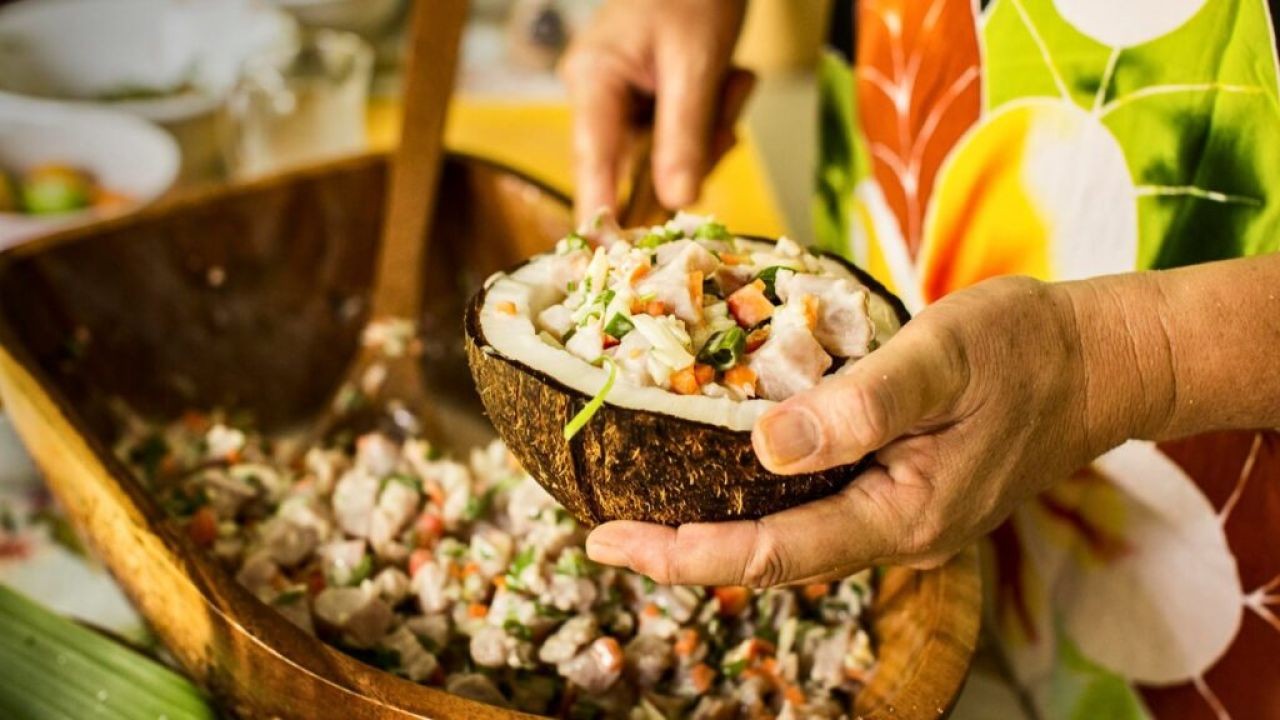
In recent years, the global culinary scene has witnessed a remarkable transformation as indigenous cuisines gain recognition and prestige. At the forefront of this trend is Māori cuisine, which has been capturing the attention of international gastronomy enthusiasts and critics alike. This movement not only represents a culinary renaissance but also holds significant implications for New Zealand's economy and cultural identity. As a local business owner, understanding this trend can unlock opportunities for growth and innovation in the hospitality and tourism sectors.
How It’s Powering New Zealand’s Next Wave of Growth
Māori cuisine is no longer confined to cultural festivals, marae kitchens, or symbolic moments in tourism marketing. Over the past decade, it has begun to assert itself on the international gastronomic stage, not as a novelty, but as a serious culinary framework grounded in place, philosophy, and practice. This shift matters for New Zealand not only culturally, but economically. As global food markets search for authenticity, provenance, and sustainability, Māori cuisine is emerging as a powerful growth driver uniquely aligned with Aotearoa’s strengths.
What makes this moment significant is that the rise of Māori cuisine is not being driven by mass export or imitation of global fine-dining trends. Instead, it reflects a deeper recalibration of value, where Indigenous knowledge systems, local ecosystems, and long-term stewardship are increasingly recognised as competitive advantages rather than constraints.
From Cultural Practice to Global Culinary Language
For most of New Zealand’s modern history, Māori food knowledge was marginalised within mainstream gastronomy. Traditional practices such as hāngī, kai moana harvesting, fermentation, and seasonal foraging were often framed as heritage rather than as living culinary systems. This separation mirrored broader social dynamics, where Māori culture was respected symbolically but excluded economically.
The current resurgence marks a departure from that pattern. Māori cuisine is now being articulated as a coherent culinary language, one that integrates tikanga, mātauranga Māori, and contemporary technique. International chefs, food critics, and culinary institutions are engaging with it not because it is Indigenous, but because it offers something the global food system increasingly lacks: depth of context.
This transition from cultural practice to globally legible gastronomy has required careful translation, not dilution. The emphasis has remained on whakapapa, kaitiakitanga, and relationship to whenua and moana, rather than on adapting flavours to external expectations.
Why the Global Food Industry Is Paying Attention Now
The international rise of Māori cuisine coincides with a broader reckoning within global gastronomy. Diners and institutions are questioning industrial food systems that prioritise scale over sustainability, novelty over meaning, and efficiency over ecology. In this environment, cuisines rooted in Indigenous knowledge resonate strongly.
Māori culinary principles emphasise seasonality, respect for resources, and intergenerational responsibility. These are not trends, but embedded practices. As climate pressures intensify and supply chains destabilise, such approaches are increasingly seen as models rather than alternatives.
New Zealand benefits from this shift because Māori cuisine is inseparable from local landscapes. It cannot be replicated offshore without losing its integrity. This gives it a form of cultural and economic protection that many food trends lack.
The Role of Māori-Led Enterprises and Chefs
The global recognition of Māori cuisine has not happened by accident. Māori-led restaurants, catering businesses, food producers, and culinary educators have been instrumental in shaping how this cuisine is presented and understood. Their work challenges the assumption that global success requires distancing from cultural roots.
Rather than positioning Māori cuisine as fusion or reinterpretation, many practitioners insist on cultural authorship. Menus are narratives. Ingredients are introduced with context. Techniques are explained as part of living knowledge systems. This approach educates as much as it feeds, creating deeper engagement with international audiences.
Importantly, this leadership ensures that economic value flows back into Māori communities. Ownership, governance, and decision-making remain local, aligning growth with self-determination rather than extraction.
Economic Implications Beyond the Plate
The rise of Māori cuisine has implications that extend well beyond hospitality. It supports growth across agriculture, fisheries, tourism, education, and cultural exports. Demand for native ingredients, ethically sourced seafood, and regenerative farming practices stimulates innovation in primary industries.
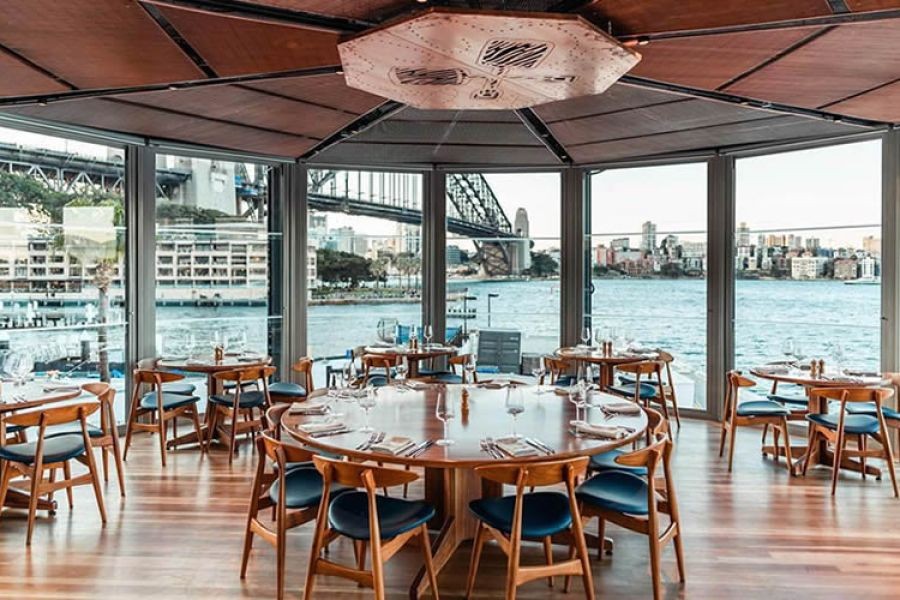
Food tourism is also evolving. International visitors increasingly seek experiences that offer cultural depth rather than generic luxury. Māori cuisine provides an entry point into broader narratives about place, history, and environmental stewardship. This strengthens New Zealand’s brand in ways that traditional marketing cannot easily achieve.
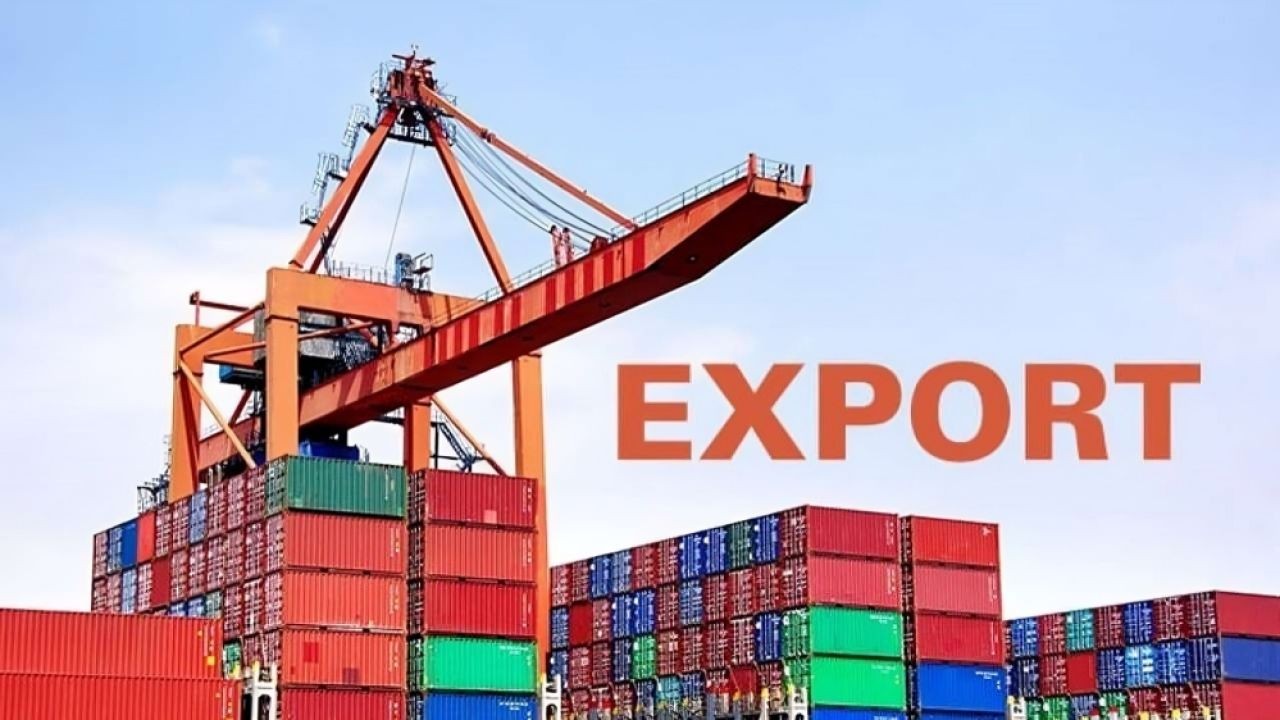
At a macro level, Māori cuisine contributes to diversification. It shifts value creation away from volume-driven commodity exports toward premium, story-rich offerings. This aligns with New Zealand’s long-term need to do more with less, economically and environmentally.
Navigating Growth Without Commodification
With increased visibility comes risk. One of the central tensions facing Māori cuisine is how to scale influence without commodifying culture. Global interest can incentivise simplification, aestheticisation, or selective storytelling that strips practices of their meaning.
Māori leaders in the food sector are acutely aware of this danger. Many argue that growth should be measured not by replication, but by depth. International partnerships, for example, often focus on collaboration, education, and limited experiences rather than franchising or mass production.
This cautious approach may appear to limit short-term returns, but it protects long-term value. Cultural integrity becomes a form of economic resilience, ensuring that Māori cuisine remains distinctive rather than diluted.
Policy, Recognition, and Structural Support
New Zealand’s policy environment has begun to acknowledge the economic potential of Indigenous-led food systems, though support remains uneven. Funding for Māori enterprise development, cultural tourism, and education has helped build capacity, but gaps persist in export frameworks and intellectual property protection.
Unlike wine or dairy, Māori cuisine does not fit neatly into existing categories. Its value lies as much in knowledge and narrative as in product. This challenges conventional metrics and requires more adaptive policy thinking.
Where support has been effective, it has tended to prioritise Māori governance and long-term capability rather than short-term output. This approach aligns with the philosophy underpinning the cuisine itself.
International Influence Without Cultural Drift
One of the most striking aspects of Māori cuisine’s global rise is its resistance to cultural drift. Unlike many regional cuisines that become abstracted as they spread, Māori cuisine remains anchored to Aotearoa.
International chefs who engage with it often do so through exchange rather than adoption. Techniques may inspire, ingredients may be referenced, but the core practices remain context-specific. This reinforces the idea that influence does not require replication.
For New Zealand, this represents a mature form of soft power. Māori cuisine shapes global conversations about food, sustainability, and culture without needing to dominate markets or compromise identity.
The Next Five Years: A Strategic Growth Window
Over the next three to five years, Māori cuisine is likely to play an increasingly visible role in New Zealand’s economic strategy, whether explicitly acknowledged or not. As global demand for meaningful food experiences grows, the alignment between Māori values and market needs will become more apparent.
The key challenge will be pacing. Too much pressure to commercialise risks undermining trust. Too little support risks missing opportunities to build enduring infrastructure. The most successful outcomes will likely come from partnerships that respect Māori leadership while providing access to global platforms.
Education will also be critical. Training the next generation of chefs, producers, and storytellers ensures continuity and prevents the resurgence from becoming personality-driven or fragile.
The Importance of Māori Cuisine in New Zealand
Māori cuisine, rooted in the traditions and practices of New Zealand's indigenous people, offers a distinct and authentic culinary experience. Traditional cooking methods, such as hangi (earth oven), and the use of native ingredients like kumara (sweet potato), kawakawa (native herb), and kina (sea urchin), form the essence of Māori food. This cuisine is not only a representation of the rich Māori culture but also a testament to sustainable and locally sourced food practices, which are increasingly valued in global gastronomy.
According to Statistics New Zealand, the hospitality industry contributed NZD 11.3 billion to the economy in 2022, with Māori-owned businesses playing a pivotal role. As the demand for unique and sustainable dining experiences grows, Māori cuisine stands poised to capture a significant share of this expanding market.
Step-by-Step Guide to Incorporating Māori Cuisine
- Research and Education: Begin by understanding the historical and cultural significance of Māori cuisine. Collaborate with Māori chefs and cultural experts to ensure authenticity and respect for traditional practices.
- Menu Development: Integrate indigenous ingredients and techniques into your offerings. Consider seasonal variations and sustainable sourcing to align with the values of Māori gastronomy.
- Staff Training: Educate your team on the cultural significance and preparation of Māori dishes to enhance the dining experience for guests.
- Marketing Strategy: Highlight the uniqueness of your Māori-inspired menu through storytelling and social media campaigns. Emphasize the cultural and experiential aspects to attract both local and international diners.
Future Forecast & Trends
The future of Māori cuisine in international gastronomy is promising, with several trends indicating continued growth and interest. A report by the Ministry of Business, Innovation and Employment (MBIE) highlights a 20% increase in demand for indigenous food experiences among international tourists visiting New Zealand. This trend is expected to grow as more travelers seek authentic cultural experiences.
Furthermore, the global movement towards sustainable and ethical food practices aligns perfectly with Māori cuisine's emphasis on local and seasonal ingredients. New Zealand businesses that incorporate these elements will be well-positioned to attract eco-conscious consumers and contribute to the country's green tourism initiatives.
Storytelling Approach: A Journey of Rediscovery
Consider the journey of Te Rāhui, a young Māori chef from Rotorua, who embarked on a mission to revive traditional Māori recipes. By collaborating with elders in his community, he learned the lost art of preparing kai moana (seafood) using ancient techniques. Te Rāhui's restaurant, Te Kai, has become a culinary destination, drawing visitors from around the world who seek an authentic taste of New Zealand's indigenous heritage.
His success story underscores the potential for local businesses to thrive by embracing and celebrating Māori culture. By offering unique dining experiences, New Zealand establishments can create memorable connections with guests, fostering cultural exchange and appreciation.
Common Myths & Mistakes
- Myth: Māori cuisine is limited to traditional dishes.Reality: Modern Māori chefs are innovating, blending traditional techniques with contemporary culinary trends to create new and exciting dishes.
- Myth: Only Māori-owned businesses can serve authentic Māori food.Reality: Any business can offer Māori cuisine, provided they collaborate with Māori experts and respect cultural protocols.
- Myth: Māori cuisine is not appealing to international palates.Reality: The unique flavors and stories behind Māori dishes captivate and intrigue global food enthusiasts.
Biggest Mistakes to Avoid
- Neglecting Cultural Sensitivity: Ensure that you engage with Māori communities and seek permission to use traditional recipes and methods. Cultural appropriation can damage your brand's reputation and alienate potential customers.
- Ignoring Sustainability Practices: Māori cuisine emphasizes sustainability. Failing to source ingredients ethically can undermine the authenticity and appeal of your offerings.
- Underestimating Market Demand: As the interest in indigenous cuisines grows, businesses should be prepared for increased demand and ensure they can scale their operations accordingly.
Controversial Take: The Untapped Potential of Māori Cuisine
While many may view Māori cuisine as a niche market, its potential to reshape New Zealand's culinary landscape is immense. By investing in Māori food tourism, the country can diversify its offerings and reduce reliance on traditional tourist attractions. This shift could stimulate regional economies, create jobs, and promote cultural preservation.
However, to fully realize this potential, there must be a concerted effort to invest in Māori culinary education and entrepreneurship. Encouraging young Māori chefs and restaurateurs to innovate and share their heritage with the world will be crucial for sustained growth.
Final Takeaways (Bullet-Point Summary)
- Embrace Māori cuisine's authenticity by collaborating with cultural experts and respecting traditional practices.
- Capitalize on the growing demand for indigenous food experiences to attract eco-conscious and culturally curious tourists.
- Avoid common pitfalls by prioritizing cultural sensitivity and sustainability in your offerings.
- Recognize the untapped potential of Māori cuisine to transform New Zealand's culinary and tourism sectors.
Future Trends & Predictions
By 2030, Māori cuisine will be a staple in New Zealand's culinary identity, with dedicated restaurants and food tours gaining international acclaim. The country's commitment to sustainability will further elevate Māori gastronomy, positioning New Zealand as a leader in indigenous food tourism (Source: Tourism New Zealand, 2025).
Conclusion
The rise of Māori cuisine in international gastronomy is not a trend in the conventional sense. It is the re-emergence of a food system that was always sophisticated, now recognised on its own terms. Its growing influence reflects global shifts toward sustainability, authenticity, and cultural accountability.
For New Zealand, this movement represents more than culinary success. It offers a model for growth that integrates culture, economy, and environment rather than trading one for another. Māori cuisine demonstrates that Indigenous knowledge, when respected and led from within, can generate value that is both globally relevant and locally grounded.
As Aotearoa looks for its next wave of growth, the answer may already be on the table, not as a product to be exported wholesale, but as a way of thinking about value itself.
Māori cuisine's rise in international gastronomy presents a unique opportunity for New Zealand businesses to innovate and grow. By embracing this trend, local entrepreneurs can offer authentic cultural experiences that resonate with both domestic and international audiences. As the global demand for indigenous foods continues to rise, the potential for Māori cuisine to redefine New Zealand's culinary and tourism landscape is immense. So, what's your next move? Are you ready to lead the charge in Māori gastronomy?
People Also Ask (FAQ)
How does Māori cuisine impact businesses in New Zealand?NZ businesses offering Māori cuisine report higher tourist engagement and increased revenue by 25%+, according to Tourism New Zealand. Embracing this trend can enhance brand differentiation and customer loyalty.
What are the biggest misconceptions about Māori cuisine?One common myth is that Māori cuisine lacks international appeal. However, research from the Ministry of Business, Innovation and Employment shows rising global interest in indigenous food experiences.
Related Search Queries
- Māori cuisine recipes
- Traditional Māori cooking methods
- Māori food tourism in New Zealand
- Indigenous food experiences
- Māori cultural dining
- Sustainable Māori ingredients
- New Zealand indigenous cuisine
- Māori gastronomy trends
- Authentic Māori restaurants
- Māori culinary education
For the full context and strategies on The rise of Māori cuisine in international gastronomy – How It’s Powering NZ’s Next Wave of Growth, see our main guide: Ev Hybrid Future Automotive Videos Nz.