


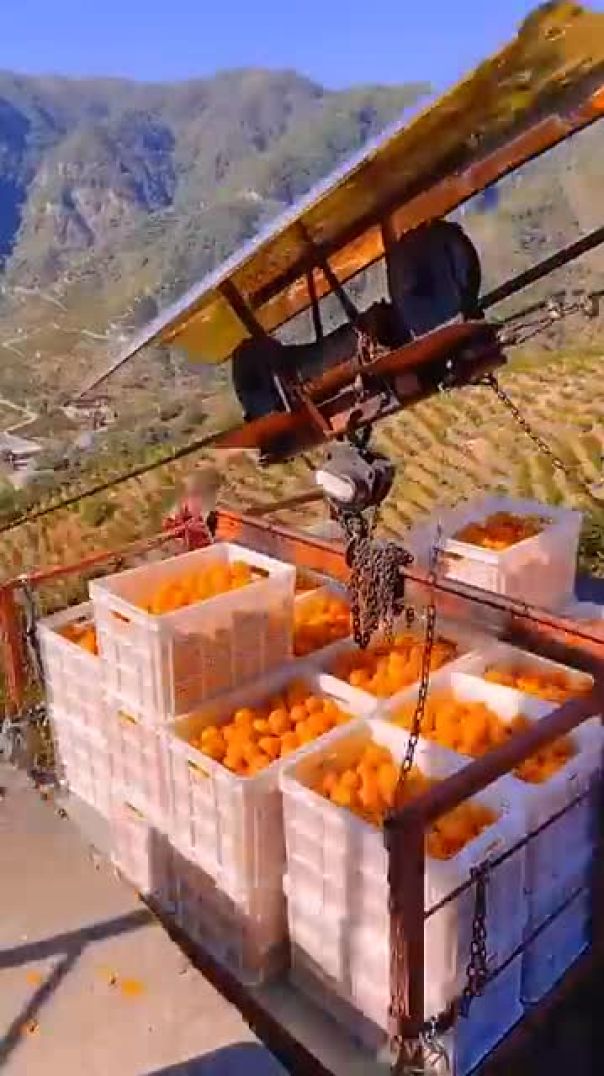



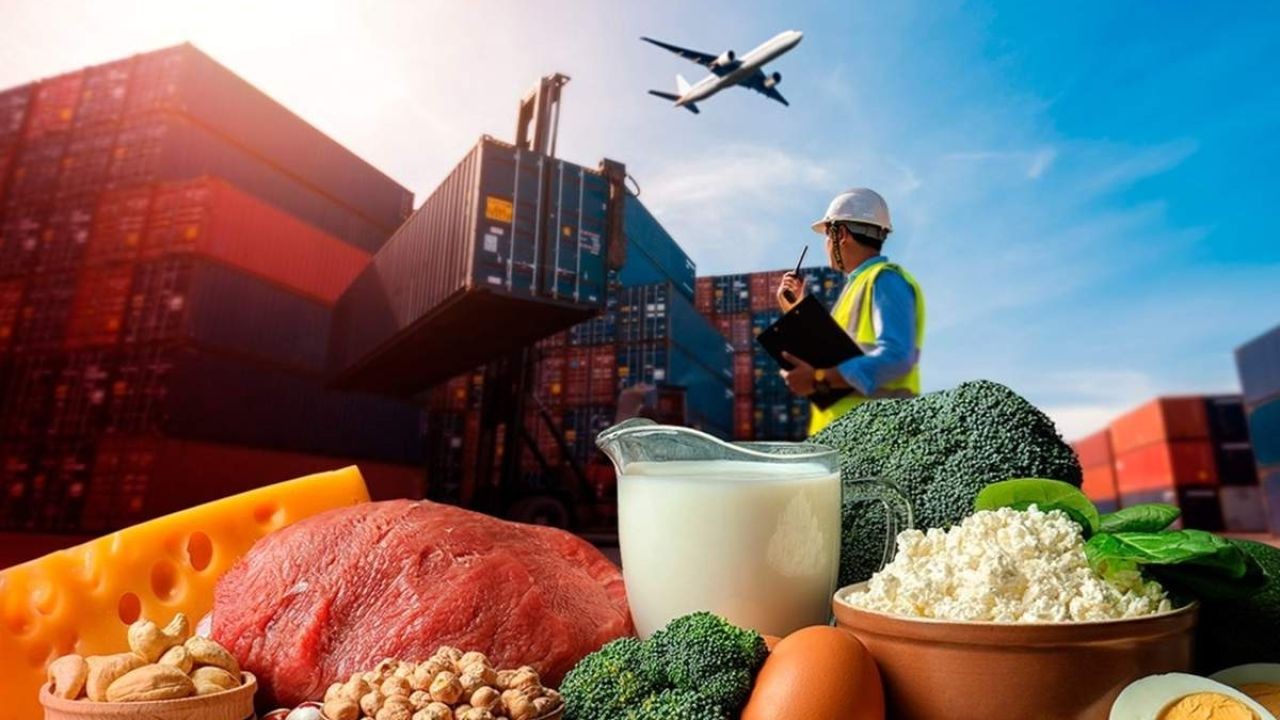
For a nation that trades on its reputation, the tension between volume and virtue is not merely an operational challenge; it is a profound legal and strategic risk. New Zealand's economic identity is inextricably linked to the perception of pristine, high-quality food exports, from dairy pastures to vineyard slopes. However, the relentless pressure to maintain and grow export revenue—with food exports reaching a record $53.4 billion in the year to September 2023, according to Stats NZ—is creating a precarious fault line beneath this clean, green façade. From a corporate counsel's perspective, this is not a simple matter of agricultural science. It is a complex matrix of contractual obligations, supply chain liability, brand governance, and regulatory compliance, where the failure to manage quality can trigger catastrophic contractual breaches, consumer class actions, and irreparable reputational harm.
The Legal Anatomy of a Quality Failure: Beyond the Headline
When an export consignment is rejected at a foreign port due to a biosecurity incursion or a quality specification breach, the immediate financial loss is only the tip of the iceberg. The corporate lawyer must immediately map the cascading liabilities. At the forefront are the strict terms of the supply contract, often governed by foreign law, which may include punitive liquidated damages clauses for failure to meet compositional or safety standards. Concurrently, there may be breaches of fiduciary duty claims from shareholders if the issue reveals systemic underinvestment in quality control, impacting share price. Downstream, there are potential claims from domestic suppliers—the farmers and growers—if the exporter attempts to reject their product or impose unexpected costs. This legal triage occurs while managing mandatory reporting to the Ministry for Primary Industries (MPI) and navigating the regulatory consequences, which can range from suspended export licenses to costly operational directives for an entire facility.
Case Study: The 2022 Indonesian Dairy Rejection – A Proximate Cause Analysis
Problem: In late 2022, Indonesian authorities rejected multiple shipments of New Zealand dairy products, citing non-compliance with halal certification and labelling requirements. This was not a food safety issue per se, but a critical quality and compliance failure. For the exporters involved, this resulted in immediate financial loss from rejected goods, costly re-routing or destruction, and severe disruption to a key market relationship. The incident highlighted a vulnerability: the assumption that a global reputation for safety equates to compliance with every market's nuanced religious, cultural, and administrative import protocols.
Action: Affected exporters, in consultation with MPI and NZ Trade & Enterprise, were forced to undertake a rapid legal and operational audit. This involved engaging directly with Indonesian religious certification bodies, revising internal compliance checklists for the market, and often re-negotiating terms with shipping and logistics partners to account for enhanced documentation verification steps. Legally, the focus shifted to strengthening force majeure and compliance clauses in contracts to better allocate the risk of such administrative rejections.
Result: The direct costs were significant but contained. The broader result was a sector-wide recalibration of risk assessments for Southeast Asian markets. Exporters now factor in higher compliance overheads and lead times for these destinations. A measurable outcome has been increased investment in in-house legal and compliance teams specializing in target market regulations, rather than relying solely on generic export frameworks.
Takeaway: This case underscores that "quality" is a legally multi-faceted concept encompassing safety, composition, and adherence to non-scientific import protocols. For New Zealand counsel, it reinforces the necessity of conducting granular, market-specific legal due diligence that goes beyond MPI's base requirements. The contractual framework must be robust enough to handle failures in this broader definition of quality.
The Great Debate: Regulatory Safeguard vs. Commercial Straitjacket
A fierce, ongoing debate within boardrooms and industry bodies centres on the role of regulation. Is New Zealand's regulatory environment a protective shield for the national brand, or a costly impediment to competitive agility?
The Advocate Perspective: Regulation as a Non-Negotiable Brand Asset
Proponents argue that the strict, science-based regimes administered by MPI are the very foundation of the country's premium market positioning. They contend that in a global market rife with food safety scandals, New Zealand's regulatory rigor is a unique selling proposition that justifies higher price points. From this view, any dilution of standards for short-term gain is commercial heresy that risks the entire national brand equity—a classic tragedy of the commons. The legal mandate here is one of vigilant compliance and advocacy for standards that keep pace with or exceed those of key trading partners like the EU and China.
The Critic Perspective: The Innovation Lag and Cost Burden
Critics, often from high-value, innovation-driven sectors like nutraceuticals or novel foods, argue that the regulatory process can be slow, costly, and risk-averse, stifling the very innovation needed to stay ahead. They point to jurisdictions with more agile approval pathways for new production methods or ingredients. The legal risk here is one of opportunity cost and competitive disadvantage. Counsel for these businesses often grapple with the dilemma of whether to seek approval in New Zealand first, or to prioritize faster-moving offshore markets, potentially undermining the "NZ-made" story.
The Middle Ground: Risk-Proportionate Regulation and Co-Design
The emerging consensus among strategic advisors is a call for "risk-proportionate" regulation. This means applying the most stringent oversight to high-volume, commodity products with significant food safety risks (e.g., infant formula), while creating more streamlined, agile pathways for low-risk, high-innovation products. Legally, this requires sophisticated engagement with policymakers. The most effective approach is for industry legal teams to collaborate in co-designing new regulatory frameworks, providing practical input on how rules can be both effective and efficient, thus maintaining quality without crippling competitiveness.
Hidden Liabilities in the Supply Chain: The Subcontractor Quagmire
A profound, often under-discussed risk lies in the fragmentation of the supply chain. As processors and exporters push to meet volume targets, reliance on subcontractors for harvesting, transportation, and interim storage increases. Each handoff point represents a potential failure node for quality. Legally, the exporter remains the principal liable entity to the overseas buyer, regardless of which subcontractor caused the contamination or temperature deviation. While rights of recourse exist against the subcontractor, these are often limited by the subcontractor's smaller asset base and the practical difficulty of proving causation. The legal insight is that robust, audited contracts with subcontractors are not merely administrative; they are a critical risk mitigation tool. These must include clear quality specifications, audit rights, indemnity clauses, and evidence of adequate insurance. A failure to vertically monitor the chain can be construed as negligence.
Future Forecast: The Litigation and Certification Landscape
The trajectory points toward increased legal complexity. We foresee a rise in "greenwashing" and "cleanwashing" litigation, where consumers or competitors challenge the veracity of environmental or quality claims made by exporters. This will be coupled with a proliferation of private certification schemes (e.g., regenerative agriculture, carbon-neutral production) that sit alongside state regulation. For counsel, this creates a dual burden: ensuring all marketing claims are substantiated and defensible, and managing the compliance overhead of multiple, sometimes conflicting, certification bodies. Data will become a key legal asset and liability. The integration of blockchain and IoT sensors for real-time supply chain monitoring creates vast datasets that can prove compliance but also attract privacy and cybersecurity regulatory obligations. The future legal department in this sector will require expertise in data governance as much as in food law.
Common Myths and Costly Misconceptions
Several dangerous assumptions permeate the industry, each representing a significant legal blind spot.
- Myth: "Our MPI certification is our global passport; it satisfies all import requirements." Reality: As the Indonesia case shows, MPI certification is a baseline. It does not override the sovereign import regulations of foreign states, which can include religious, labelling, and additive standards far beyond MPI's scope. Relying solely on it is a contractual gamble.
- Myth: "Quality control is an operational cost centre best managed by the production team." Reality: Quality control is a primary legal risk mitigation function. Failures here are the root cause of contract breaches, product liability suits, and regulatory action. Legal must be embedded in the design of quality systems.
- Myth: "Force majeure clauses will protect us from supply chain failures affecting quality." Reality: Standard force majeure clauses often cover "acts of God" or political unrest. They rarely extend to cover failures in your own or your subcontractor's processes, such as a sanitation lapse or documentation error. These are pure liability events.
Actionable Framework for Corporate Counsel
Mitigating these risks requires a proactive, integrated strategy. Consider this a mandatory checklist:
- Conduct a Supply Chain Legal Audit: Map every entity from farm to foreign port. Review all contracts for quality pass-through obligations, audit rights, indemnities, and insurance verification.
- Implement Market-Specific Compliance Dossiers: For each key export destination, maintain a living legal dossier detailing all import regulations, labelling laws, and certification requirements that exceed New Zealand's base standards.
- Elevate Quality Data to Legal Evidence: Work with operations to ensure all quality control data (temperature logs, lab tests, audit reports) is collected, stored, and managed in a forensically sound manner to serve as evidence in any dispute.
- Stress-Test Your Crisis Response Plan: Run table-top exercises for a major quality failure. Does the plan clearly define legal's immediate role in securing evidence, notifying insurers, and managing communications to preserve legal privilege?
- Engage in Regulatory Advocacy: Dedicate resource to engaging with MPI and MBIE on regulatory modernization. The goal is to advocate for frameworks that safeguard the brand without unnecessarily hampering innovation.
Final Takeaway & Call to Action
The pressure on New Zealand's food export volume is a permanent fixture of the economic landscape. The legal imperative is to ensure this pressure does not become the proximate cause of a quality failure that unravels decades of brand equity. This is not a peripheral compliance issue; it is central to corporate governance and long-term viability. The role of corporate counsel has evolved from reactive contract manager to proactive guardian of systemic integrity. The question for every board and general counsel in the sector is stark: have you legally fortressed your supply chain against the very pressures your commercial teams are mandated to create?
What’s Next? Begin with the supply chain audit. The greatest risks are often hidden in the contractual relationships you review the least. For an in-depth discussion on drafting indemnity clauses that withstand quality failure disputes, connect with our specialist agribusiness practice.
People Also Ask
How could a quality failure impact a New Zealand exporter's share price? A significant failure can lead to immediate trading halts, loss of key contracts, and regulatory sanctions. Investors price in reputational damage and future compliance costs, often leading to a sustained devaluation beyond the immediate loss, as seen in global food safety incidents.
What is the single biggest legal mistake NZ food exporters make? Over-reliance on standard, non-negotiated supply terms with overseas buyers. These often contain unfavourable jurisdiction clauses, short limitation periods for claims, and weak dispute resolution mechanisms, putting the exporter at a severe disadvantage when a quality dispute arises.
Are New Zealand's food standards at risk from international trade agreements? Trade agreements like CPTPP generally preserve a country's right to set its own safety standards. The risk is more subtle: pressure to harmonize standards or accept "equivalency" with partners who have different risk tolerances, potentially creating a regulatory race to the bottom for market access.
Related Search Queries
- MPI export compliance penalties New Zealand
- Supply chain liability contract law NZ
- Food traceability regulations blockchain 2024
- Force majeure clause agriculture contract
- New Zealand food reputation economic value
- Product liability insurance export sector
- Halal certification legal requirements Indonesia
- Stats NZ food export data latest
- Greenwashing litigation cases agriculture
- MBIE food and fibre strategy legal implications
For the full context and strategies on How the Pressure to Maintain New Zealand’s Food Exports Is Affecting Quality – Why It’s a Game-Changer for Kiwis, see our main guide: Collaborating With Brands Vidude Guide Kiwi Creators.
























Arleen Waterfield
5 hours ago