![British Medallion Trench Lighter [1910s] 🔥](https://s3.ap-southeast-2.wasabisys.com/cdn.vidude.com/upload/photos/2026/01/519b1b220c0beed4bd2e114e71ea9027ebc4c4ebaCcvsVn2LNaYTrQvqWih.video_thumb_7422_59.jpeg)



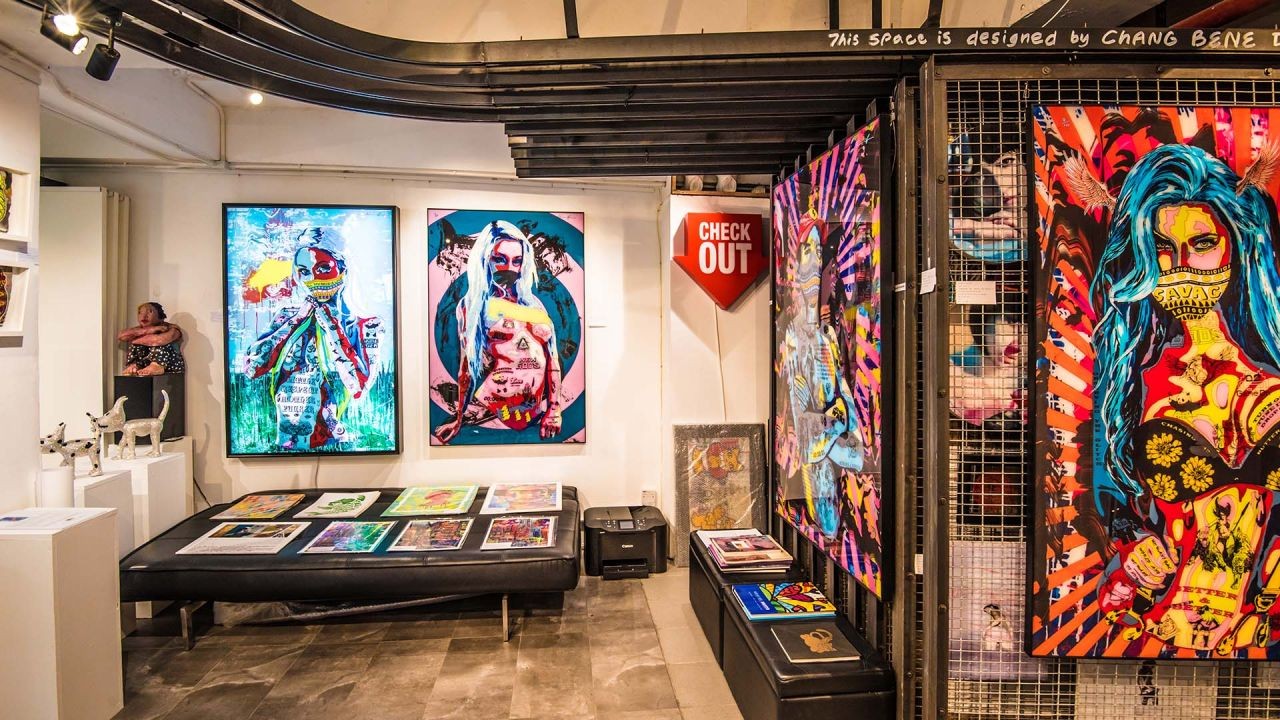
In the high-stakes world of venture capital, pattern recognition is our most valuable currency. We train ourselves to spot the subtle signals of market shifts, technological disruption, and consumer behaviour long before they manifest on a balance sheet. This analytical lens, honed on spreadsheets and pitch decks, is precisely why I advocate for an unconventional but profoundly insightful activity: a deliberate, analytical visit to New Zealand’s premier art galleries. This is not a leisure recommendation; it is a strategic exercise in cultural and economic intelligence gathering. The canvas, it turns out, can be a leading indicator.
The Gallery as a Market Microcosm: Reading Between the Brushstrokes
Art galleries are not sterile repositories of old objects; they are dynamic ecosystems that reflect and often anticipate broader societal and economic currents. For an investor, they offer a concentrated, visceral dataset on themes of identity, value perception, technological adoption, and collective aspiration. In the New Zealand context, this is particularly potent. Our art scene is a living dialogue between indigenous Māori culture (Mātauranga Māori), colonial history, Pacific influences, and global contemporary trends. Understanding this dialogue is key to understanding the New Zealand consumer and the innovative companies that serve them.
From my experience with NZ SMEs seeking investment, those with a nuanced grasp of this bicultural narrative often demonstrate superior brand authenticity and market resonance. A 2023 report by Creative New Zealand and the Ministry for Culture and Heritage noted that the cultural sector contributed over $11 billion to New Zealand’s GDP, demonstrating its significant, though often undervalued, economic weight. This isn't just about tourism; it's about the intellectual property, storytelling, and design thinking that flow into sectors like technology, food & beverage, and sustainable manufacturing.
Actionable Insight for Kiwi Investors:
Before your next due diligence meeting with a consumer-facing startup, spend an hour at a major gallery. Analyse the narratives dominating the contemporary New Zealand collection. Are they exploring environmental stewardship, digital identity, or urban isolation? The themes that resonate in the gallery will inevitably shape marketing campaigns, product design, and consumer expectations in the coming 18-24 months.
Case Study: Te Papa Tongarewa – A Masterclass in Value Creation and Narrative
Problem: As New Zealand's national museum, Te Papa faced the classic institutional challenge: how to remain financially sustainable and publicly relevant in a digital age, while authentically stewarding the nation's taonga (treasures) and stories. It needed to evolve from a static repository into a dynamic, engaging platform that justified government funding and attracted private patronage and visitation.
Action: Te Papa implemented a radical, visitor-centric model built on powerful narrative storytelling. It moved away from a Eurocentric, chronological display to a thematic, bicultural approach. Key actions included deep partnership with iwi (Māori tribes) under the principles of the Treaty of Waitangi, integrating cutting-edge interactive technology alongside traditional taonga, and curating blockbuster international exhibitions alongside permanent displays of New Zealand's social history. Its commercial arm developed sophisticated retail, licensing, and hospitality offerings directly tied to its collections.
Result: Te Papa became an economic and cultural powerhouse. Pre-pandemic, it attracted approximately 1.5 million visitors annually, a significant portion of them high-value international tourists. Its commercial activities generate substantial revenue, reducing reliance on public funds. More importantly, it successfully created a "must-see" national brand that shapes how both Kiwis and the world understand New Zealand's identity.
Takeaway: This case study is a blueprint for any business creating value in New Zealand. Te Papa’s success hinges on authentic partnership (with iwi), experiential innovation (blending physical and digital), and compelling storytelling. For a venture capitalist, it underscores that the most investable companies are those that build a genuine narrative, not just a product. A startup claiming to leverage "Māori knowledge" or "NZ purity" must demonstrate the depth of integration and respect that Te Papa models, or risk being seen as inauthentic and unsustainable.
A Step-by-Step Guide to the Analytical Gallery Visit
Approach this not as a tourist, but as a strategist. Here is your framework.
Step 1: Contextualise the Collection
Begin in the historical or permanent collection. At the Auckland Art Gallery Toi o Tāmaki, for instance, trace the evolution from colonial portraits to mid-century regionalism, through the revolutionary Māori modernism of artists like Ralph Hotere and Paratene Matchitt. Observe the shift in subject, medium, and voice. This historical arc mirrors New Zealand's economic evolution from agrarian dependency to a search for a confident, independent national identity—a journey still reflected in businesses moving from commodity exports to value-added, branded products.
Step 2: Interrogate the Contemporary Floor
This is your primary research zone. Focus on questions a VC would ask: What is the business model of the artist/gallery? (Primary sales, secondary market, public funding?). What technology is being utilised? (Digital video, AI, bio-art?). What are the recurring themes? Anxiety over data privacy? Climate grief? Celebrations of community? These themes are unmet needs or emerging market opportunities.
Step 3: Analyse the Audience and Infrastructure
Who is here? Families, tourists, students, professionals? How are they interacting? Quiet contemplation or Instagram engagement? Observe the gallery's own operations: its retail store, café, membership programme. The efficiency and appeal of these ancillary services often correlate with the institution's overall operational health and understanding of its customer base—a direct parallel to judging a startup's user engagement and monetisation strategy.
Step 4: Synthesise and Cross-Reference
Leave with one core thematic takeaway. Then, cross-reference it with hard data. If environmental concern was dominant, look at the latest Stats NZ environmental reporting or MBIE's investment in clean tech. If digital identity was key, review reports from NZTech on digital inclusion. The gallery provides the human, emotional context for the quantitative data, allowing for a more holistic investment thesis.
Comparative Analysis: Auckland vs. Wellington vs. Christchurch
The geographic distribution of major galleries offers insights into regional economic character, much like analysing cluster industries.
- Auckland Art Gallery Toi o Tāmaki: Reflects Auckland’s position as a commercial, multicultural hub. Its collections and exhibitions are large-scale, internationally connected, and diverse. The vibe is global-facing and commercially astute. VC Insight: This is the environment for scaling startups, global SaaS plays, and ventures targeting a polycultural demographic.
- Te Papa & City Gallery Wellington, Pōneke: Wellington’s institutions are deeply narrative and policy-focused. Te Papa tells the national story, while City Gallery is known for its critical, conceptual contemporary programmes. VC Insight: This reflects Wellington’s core industries: government, policy, and film. Startups here often excel in creative tech, public-sector innovation, and mission-driven enterprises.
- Christchurch Art Gallery Te Puna o Waiwhetū: Post-earthquake, this gallery has become a symbol of urban regeneration and resilience. Its programming often engages directly with themes of renewal, community, and material innovation. VC Insight: Christchurch is a living lab for construction tech, regenerative design, and social enterprise. The gallery’s focus mirrors the city’s practical, rebuild-oriented innovation ecosystem.
Debunking Myths: The Gallery as an Elitist or Non-Essential Sector
Myth 1: "Art Galleries are a luxury, separate from the real economy." Reality: The cultural sector is a significant economic driver and talent incubator. Beyond the $11+ billion GDP contribution, it feeds directly into our fastest-growing export sectors. The design thinking behind a world-leading film production (Wētā FX) or a globally successful fashion brand (Icebreaker) is born from the same creative ecosystem that galleries anchor. It is R&D for the national soul and brand.
Myth 2: "New Zealand art is parochial and not relevant to global investors." Reality: Contemporary New Zealand art is intensely global in its dialogue. Artists like Lisa Reihana (represented New Zealand at the Venice Biennale) or Simon Denny (who critiques tech and finance) engage with worldwide discourses on colonisation, digital capitalism, and ecology. Understanding their work provides a sophisticated, non-linear perspective on global trends, an advantage in any investment committee.
Myth 3: "Visitor numbers are the only metric that matters." Reality: While footfall is important, the deeper metric is cultural capital and influence. A gallery shapes critical discourse, educates future creators, and provides the symbolic "soft infrastructure" that makes a city attractive to the skilled talent that drives knowledge economies. A 2022 Reserve Bank of NZ analytical note on regional prosperity indirectly highlighted this, noting that amenities which improve "quality of life" are crucial for attracting and retaining human capital, thereby boosting regional productivity.
The Controversial Take: Galleries as Canaries in the Coal Mine for Tech Saturation
Here is an industry secret from the intersection of art and tech: contemporary galleries are becoming early-warning systems for societal tech fatigue and the craving for authentic physical experience. While the tech world champions the metaverse and omnipresent screens, a powerful trend in galleries is the resurgence of slow, tactile, materially rich art. Think massive hand-carved wood, textured paintings, or ceramics. This isn't a rejection of technology, but a rebalancing.
For a VC, this signals a looming market correction. The boundless optimism for purely digital, screen-based engagement may be peaking. The next wave of valuable companies will likely be those that master "phygital" integration—using tech to enable or enhance profound real-world experiences, not just replace them. Think advanced materials science, experiential retail, or tech-enabled live events. The gallery audience, often early adopters, is voting with its attention for a more embodied future.
Future Trends & Predictions: The Five-Year Horizon
The gallery of 2029 will be a hybrid institution, and its evolution previews broader commercial shifts:
- Asset Tokenisation on the Blockchain: Just as fractional ownership is disrupting real estate, galleries will increasingly use blockchain to authenticate provenance and enable fractional investment in high-value artworks. This democratisation of a traditionally illiquid asset class will create new financial products and platforms. Prediction: A New Zealand fintech startup will emerge by 2027 specialising in the tokenisation of cultural assets, partnering with major iwi and galleries.
- AI as Co-Curator, Not Just Tool: AI will move beyond creating art to analysing collection data, predicting exhibition success, and creating personalised visitor pathways. This mirrors the move in business from AI as a productivity tool to AI as a strategic decision-making partner.
- The Gallery as a Civic & Commercial Hub: Spaces like Christchurch's Te Puna o Waiwhetū already model this. Future galleries will be central to urban planning, combining exhibition space with co-working, premium hospitality, and event venues, becoming anchors for urban renewal and community cohesion—a model for the future of all public-facing businesses.
Final Takeaways & Call to Action
- Cultural Due Diligence: Factor a target company's cultural intelligence into your investment thesis. Do they understand the narratives that move New Zealand?
- Pattern Recognition Training: Use galleries to sharpen your ability to see emergent social and consumer trends before they hit mainstream markets.
- Network Expansion: Gallery openings and talks are unparalleled venues to connect with creative thinkers, philanthropists, and tech innovators outside the usual Silicon Valley echo chamber.
- Personal Alpha: In a field driven by stress and quantitative analysis, the gallery offers a space for nonlinear thinking, which is the bedrock of true innovation.
Your next strategic advantage may not be in a data room, but in a quiet room facing a canvas. I challenge you: before your next quarter-end review, block out two hours. Visit Te Papa's "Toi Art" collection, or Auckland Gallery's contemporary floors. Analyse what you see not as art criticism, but as market intelligence. Then, correlate those themes with the next three pitch decks you read. The connections will be illuminating.
Ready to integrate this lens? Begin by reviewing the annual reports and strategic plans of Creative New Zealand and your local city gallery. Analyse them with the same rigor you would a company's annual statement. The strategy, financials, and stated challenges within these documents are a masterclass in the non-profit/creative economy that underpins so much of New Zealand's modern brand value. Share your most surprising insight from this exercise in the comments.
People Also Ask (FAQ)
How can visiting galleries specifically help with investing in tech startups? Galleries expose you to the human and ethical dimensions of technological adoption—themes like privacy, alienation, and digital identity that tech startups often grapple with. Understanding the artistic critique of technology provides a crucial framework for assessing a startup's long-term societal impact and potential regulatory risks.
What's one New Zealand policy that links art and innovation? The Government's "Innovative Partnerships" programme, administered by Callaghan Innovation, has funded collaborations between artists and research institutions. This formal recognition that artistic practice is a valid form of R&D underscores the direct link between creative exploration and commercial innovation.
Are smaller regional galleries worth the time for an investor? Absolutely. Regional galleries, like the Sarjeant in Whanganui or the Eastern Southland in Gore, often have deeply focused collections and strong community ties. They can reveal hyper-local trends, grassroots talent, and authentic stories that can inspire niche, globally appealing brands—the essence of a successful "tribe-first" go-to-market strategy.
Related Search Queries
- economic impact New Zealand creative sector 2024
- Mātauranga Māori in business innovation
- best contemporary art galleries Wellington for investors
- art market trends New Zealand blockchain
- creative industries GDP NZ Stats
- corporate sponsorship New Zealand art galleries
- phygital experiences Auckland
- New Zealand artists dealing with technology
- cultural due diligence investment strategy
- Te Papa Tongarewa business model analysis
For the full context and strategies on Why You Should Visit New Zealand’s Top Art Galleries – The Untold Story Behind Its Rise in NZ, see our main guide: Nz Agritech Equipment Innovation Videos.