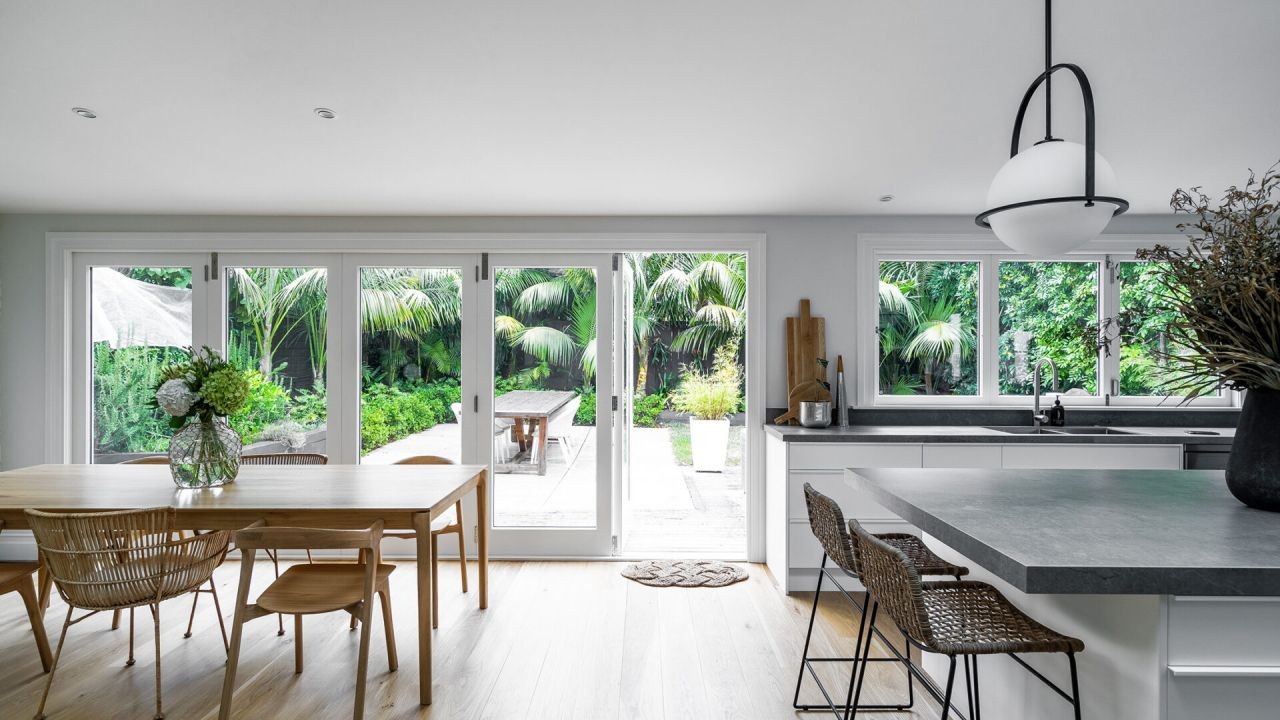




For many New Zealanders, the renovation dream is a deeply ingrained cultural narrative. It’s the promise of the do-up, the bach transformed into a year-round sanctuary, the suburban villa restored to its former glory. This impulse is more than mere home improvement; it’s a statement of identity, a hands-on engagement with our built environment, and for a nation of pragmatic optimists, a primary vehicle for building wealth. Yet, between the vision board and the final reveal lies a complex landscape of regulation, finance, and market forces that can make or break the dream. To navigate it successfully requires moving beyond the romanticised ‘DIY NZ’ myth and embracing a strategy that is as informed as it is inspired. The data reveals a story of immense opportunity, tempered by the sobering realities of cost and compliance. By understanding this interplay, Kiwis can transform their renovation from a stressful gamble into a deliberate, value-creating endeavour.
The Regulatory Labyrinth: More Than Just Red Tape
In New Zealand, the journey of a renovation is fundamentally shaped by the Resource Management Act (RMA) and the Building Act. These are not mere bureaucratic hurdles; they are the legal and philosophical frameworks that protect community interests, environmental standards, and, most critically, your safety. The common misconception is that permits are a form of revenue gathering or unnecessary delay. In practice, they are a quality assurance process. A 2023 report from MBIE highlighted that consented building work was valued at over $21 billion, underscoring the sheer scale of activity governed by these rules. However, the same report notes a persistent issue of non-compliance, often stemming from a lack of understanding.
From consulting with local businesses in New Zealand, I've observed a clear pattern: the most successful renovators treat council engagement as a collaborative first step, not an adversarial last resort. The distinction between a building consent (for the structural, waterproofing, and safety aspects) and a resource consent (for effects on neighbours, land use, and district plan rules) is crucial. A classic pitfall is the ‘sunroom’ addition that encroaches on yard setbacks or the deck that overlooks a neighbour’s private space—issues that fall under resource consent. Ignorance is not a defence, and the costs of rectifying unconsented work can dwarf the original permit fees, not to mention the legal liabilities and complications at sale time.
Key Actions for the Kiwi Renovator
- Engage Early: Before sketches are final, book a pre-application meeting with your local council. This upfront investment can clarify requirements and save months of redesign later.
- Understand Your Zone: Council District Plans are publicly accessible. Know your property’s zoning (e.g., Single House Zone, Mixed Housing Urban) and its specific development rules around height, coverage, and boundaries.
- Hire the Right Team: Engage a Licensed Building Practitioner (LBP) for critical design and construction work. Their expertise is legally required for much of the work and is your best insurance for a compliant, quality outcome.
The True Cost Equation: Beyond the Quote
Discussing renovation budgets in New Zealand requires a clear-eyed view of the current economic climate. The era of ultra-low interest rates that fuelled a renovation boom is behind us. As of late 2024, the Reserve Bank of New Zealand has held the OCR at a restrictive level to combat inflation, directly impacting mortgage rates for homeowners funding improvements. According to Stats NZ, the cost of building a new house increased by 41% between 2019 and 2024. While renovation costs may not have risen at precisely that stratospheric rate, the trend is unequivocal: materials and labour are significantly more expensive.
The single greatest financial mistake is the optimistic budget. In my experience supporting Kiwi companies in the construction sector, the rule of thumb is to add a contingency of 15-20% for unforeseen issues. What are these issues? In our older housing stock, it’s often ‘remediation’ work once walls are opened: outdated wiring, corroded plumbing, or timber rot that was invisible during the initial inspection. Furthermore, the supply chain volatility of recent years, while easing, has taught us that material price fluctuations are a real risk. A fixed-price contract is essential, but it must be comprehensive.
A Real-World Cost Breakdown: The Auckland Villa Refresh
Consider a typical project: modernising a 1920s Auckland villa, involving a kitchen and bathroom update, repiling, rewiring, and redecorating.
- Mid-Range Budget: $150,000 - $250,000
- High-End/Significant Extension: $300,000+
- Consent & Design Fees: 10-15% of total project cost (Architect, engineer, council fees).
- Contingency (Non-Negotiable): 15-20% of build cost.
Drawing on my experience in the NZ market, I’ve seen projects falter when the contingency fund is the first thing cut. It is not a luxury; it is a critical line item that determines whether you finish the project or leave it in a state of stressful incompletion.
ROI Realities: What Adds Value and What Merely Adds Cost
The return on investment (ROI) question is where emotion must be rigorously separated from economics. Not all renovations are created equal, and the highest personal enjoyment does not always correlate with the highest financial return. Data from QV and CoreLogic consistently show that in the New Zealand context, certain improvements have a more reliable payback.
High-ROI Champions: These are renovations that address fundamental performance and liveability. A new roof or quality double-glazing, while not glamorous, protects the asset and reduces ongoing costs, which is highly valued by future buyers. Modernising kitchens and bathrooms typically offers the best return, often recouping 60-80% of the cost, as they are central to daily life. Adding a bedroom (where consented) can fundamentally shift a property’s price bracket.
Lower-ROI Considerations: Highly personalised or niche upgrades often see a lower return. A luxury home theatre, a bespoke wine cellar, or a top-tier swimming pool may bring immense joy but appeal to a smaller buyer pool. The key is alignment. If you plan to stay for a decade, personal enjoyment rightfully outweighs pure ROI. If your horizon is under five years, a more conservative, market-focused approach is prudent.
The Industry Insight: The "Wellness" Premium
A nuanced trend emerging in New Zealand is the growing premium for ‘wellness-centric’ renovations. This goes beyond a new bathroom to encompass aspects like superior indoor air quality (via advanced ventilation systems), non-toxic building materials, thermal comfort (underfloor heating, superior insulation), and biophilic design integrating natural light and outdoor flow. From observing trends across Kiwi businesses in architecture and real estate, these features are increasingly moving from luxury to mainstream demand. They speak to a deeper cultural shift towards health and sustainability, and while harder to quantify, they are becoming a significant value driver, particularly in the premium market.
The Great Debate: DIY vs. Professional
This is the quintessential Kiwi renovation crossroads, pitting our celebrated ‘number 8 wire’ ingenuity against the realities of complex, regulated modern construction.
The Advocate View: DIY for Control and Cost-Saving
Proponents argue that skilled DIY can save 20-30% on labour costs, allows for total control over timing and detail, and provides deep personal satisfaction. For straightforward tasks like painting, landscaping, or interior demolition, this is undoubtedly valid. The financial benefit can be direct and meaningful, especially when budgets are tight.
The Critic View: The Hidden Costs of Amateur Hour
Critics, including most industry professionals, highlight the severe risks. A mistake in waterproofing a shower can cause tens of thousands in damage. Incorrect structural work can void insurance. The time commitment is often vastly underestimated, leading to ‘reno fatigue’ and a half-finished project that devalues the home. Furthermore, without the trade discounts professionals command, material savings may be illusory.
The Middle Ground: A Strategic Hybrid Model
The most successful approach I’ve witnessed is a deliberate hybrid. The homeowner acts as the project manager and labourer for non-critical, non-consented tasks, while engaging and coordinating licensed professionals for all structural, plumbing, drainage, and electrical work. This model preserves some cost savings and engagement while ring-fencing risk. It requires honest self-assessment: What is your genuine skill level? Do you have the time? Critically, always pull the relevant permits, even for DIY work that requires them.
Common Myths and Costly Mistakes
Let’s dismantle some pervasive myths that lead Kiwi renovators astray.
Myth 1: “I don’t need a consent for internal work if I’m not touching walls.” Reality: Replacing like-for-like kitchen cabinets may not need consent, but if you alter any plumbing, drainage, or load-bearing structures, you almost certainly do. Always check with council.
Myth 2: “The quote is the price.” Reality: A quote is a fixed price. An estimate is not. Ensure you have a detailed, fixed-price contract that specifies materials, scope, and timeline. Vague documentation is the gateway to cost blowouts.
Myth 3: “Renovations always add more value than they cost.” Reality: This is highly market and project-dependent. Over-capitalising—spending more than the neighbourhood’s house value ceiling can support—is a real risk. Research recent sales of comparable improved homes in your area.
Myth 4: “I can manage the project myself to save the project manager’s fee.” Reality: Unless you have construction experience, the potential for costly errors, scheduling delays, and poor trade coordination often outweighs the saved fee. A good project manager pays for themselves in efficiency, quality control, and problem-solving.
Future Trends: The Renovation Landscape of 2030
The next wave of renovation in New Zealand will be driven by policy and climate. The Government’s focus on building performance and emissions reduction is crystallising. We are moving towards mandatory Homestar ratings or equivalent for rentals and eventually all homes. This means future-proof renovations will increasingly focus on decarbonisation: superior insulation (potentially exceeding current Building Code), phasing out fossil-fuel gas connections in favour of induction cooking and heat pumps, and integrating solar PV and battery systems. The ROI will evolve from pure resale value to include dramatic reductions in operational energy costs. Furthermore, as climate adaptation becomes urgent, renovations in flood-prone or coastal areas may need to incorporate resilient design features, a factor insurers will increasingly scrutinise.
Final Takeaways & Call to Action
The journey of renovating your New Zealand home is a microcosm of our national character: ambitious, practical, and deeply connected to place. To honour that spirit, we must approach it with both heart and head.
- Fact: Consented work protects your investment and your safety. Engagement with council is a strategic step, not a surrender.
- Strategy: Budget with pessimism. A 20% contingency is not a suggestion; it is a fundamental component of a realistic budget.
- ROI Focus: Prioritise renovations that enhance liveability and performance (kitchens, bathrooms, warmth, dryness). Personalised luxuries are for your enjoyment, not your bank balance.
- Pro Tip: Adopt a hybrid model. Be your own project manager for safe, simple tasks, but never compromise on using licensed professionals for critical work.
The most successful renovation is one where the final result brings you joy today while remaining a sound, compliant, and valuable asset for tomorrow. Your home is not just a project; it’s a legacy in the making. Build it wisely.
Ready to move from dream to plan? Your first action is not to pick paint colours. It’s to download your local council’s District Plan and understand the rules that shape your property. Then, start conversations with three licensed architects or designers. Knowledge, as always, is the most powerful tool in your shed.
People Also Ask (FAQ)
How long do renovation consents take in New Zealand? Processing times vary by council and complexity. A straightforward building consent can take 20 working days by law, but more complex projects with resource consent can take 3-6 months. Pre-application meetings can significantly streamline the process.
What is the single biggest mistake in NZ renovations? Under-budgeting due to inadequate contingency planning. Unforeseen issues like structural repairs or weathertightness problems are common in older NZ homes and can cripple a project financially without a robust contingency fund (15-20%).
Does a renovation always require a licensed builder? For most structural, plumbing, drainage, and electrical work, yes. The Licensed Building Practitioner (LBP) scheme mandates that critical building work must be done or supervised by an LBP. Homeowners can do some work themselves but remain legally responsible for its compliance.
Related Search Queries
- NZ building consent cost calculator 2024
- How to check if my renovation has consent NZ
- Best ROI home renovations New Zealand
- DIY vs builder cost comparison NZ
- MBIE building code renovation guidelines
- Cost of adding a bedroom in Auckland
- Heritage home renovation rules NZ
- Finding a good project manager for renovation NZ
- Sustainable renovation grants New Zealand
- Pre-purchase inspection for renovation potential
For the full context and strategies on Renovating Your NZ Home: Permits, Costs, and ROI Insights, see our main guide: Nz Visual Arts Exhibition Videos.