




The open road has long been a symbol of freedom and opportunity, a concept deeply embedded in the Australian psyche. For the property investment specialist, however, a road trip is rarely just a holiday. It is a critical, boots-on-the-ground reconnaissance mission—a chance to assess regional markets, inspect potential acquisitions, and gauge the economic pulse of communities far from the capital city CBDs. The efficiency of your packing, therefore, transcends mere convenience; it directly impacts the productivity and success of your investment scouting. A poorly packed vehicle leads to wasted time, missed appointments, and a cluttered mindset, while a strategically loaded one enables agility, professionalism, and sharp focus. In a market where, as CoreLogic data shows, combined regional dwelling values have risen 11.2% over the past year—outpacing many metropolitan areas—the ability to mobilise quickly and effectively into emerging corridors is a tangible competitive advantage.
The Strategic Mindset: Reconnaissance, Not Vacation
Before a single bag is zipped, the successful investor must reframe the purpose of the journey. This is a mobile due diligence operation. Your packing list should mirror the toolkit of a field analyst. From my experience consulting with local businesses across Australia, the most successful regional investors are those who immerse themselves in the local fabric. This means being prepared not only to inspect a property but to casually engage with local café owners, real estate agents, and council members. Your luggage must therefore accommodate dual identities: the sharp, prepared professional for formal meetings, and the approachable, observant visitor for grassroots intelligence gathering. Every item packed should serve a clear function in this dual mission.
The Non-Negotiable Document Portfolio
Physical documents remain crucial in many regional transactions. A waterproof document folio is essential and should contain:
- Due Diligence Checklists: Tailored for quick property assessments.
- Local Council Zoning Maps & Planning Schemes: Often accessed offline in areas with poor reception.
- Printed Copies of Shortlisted Properties: With your handwritten notes in the margins.
- Financial Modelling Templates: For on-the-spot yield and cashflow calculations.
Drawing on my experience in the Australian market, I never rely solely on digital copies. A dead tablet battery or a lack of mobile service in remote parts of Queensland or Western Australia can render you blind. Hard copies are your operational backup.
The Investor's Packing Methodology: The "Core & Flex" System
Efficiency is born from systemisation. I advocate for the "Core & Flex" packing system, which minimises decision fatigue and maximises adaptability.
The Core Kit: Always Packed
This is a pre-packed, ready-to-go kit that lives in your luggage, requiring only a refresh of consumables. It ensures you are never caught unprepared for a last-minute opportunity.
- Professional Attire: One wrinkle-resistant blazer, two business-casual shirts or blouses, one pair of tailored trousers or skirt. Neutral colours that can be mixed and matched.
- Technology Hub: A dedicated organiser containing all chargers (phone, tablet, laptop), a high-capacity power bank, a 12V car charger adapter, and a quality USB-C/Multi-port hub.
- Inspection Essentials: A high-lumen torch, laser measure, moisture meter, and a pair of durable gloves stored in a small, separate pouch.
- Health & Safety: A comprehensive first-aid kit, high-SPF sunscreen, broad-brimmed hat, and insect repellent. The Australian sun and bushland are not to be underestimated.
The Flex Layer: Trip-Specific Items
This is tailored to the specific climate and purpose of your destination. Research is key. Checking the Bureau of Meteorology's seasonal outlook and the specific industry focus of the region (e.g., mining, agriculture, tourism) will dictate this layer.
- For Northern Queensland in the Wet Season: Waterproof jacket, waterproof document bags, and extra insect screens.
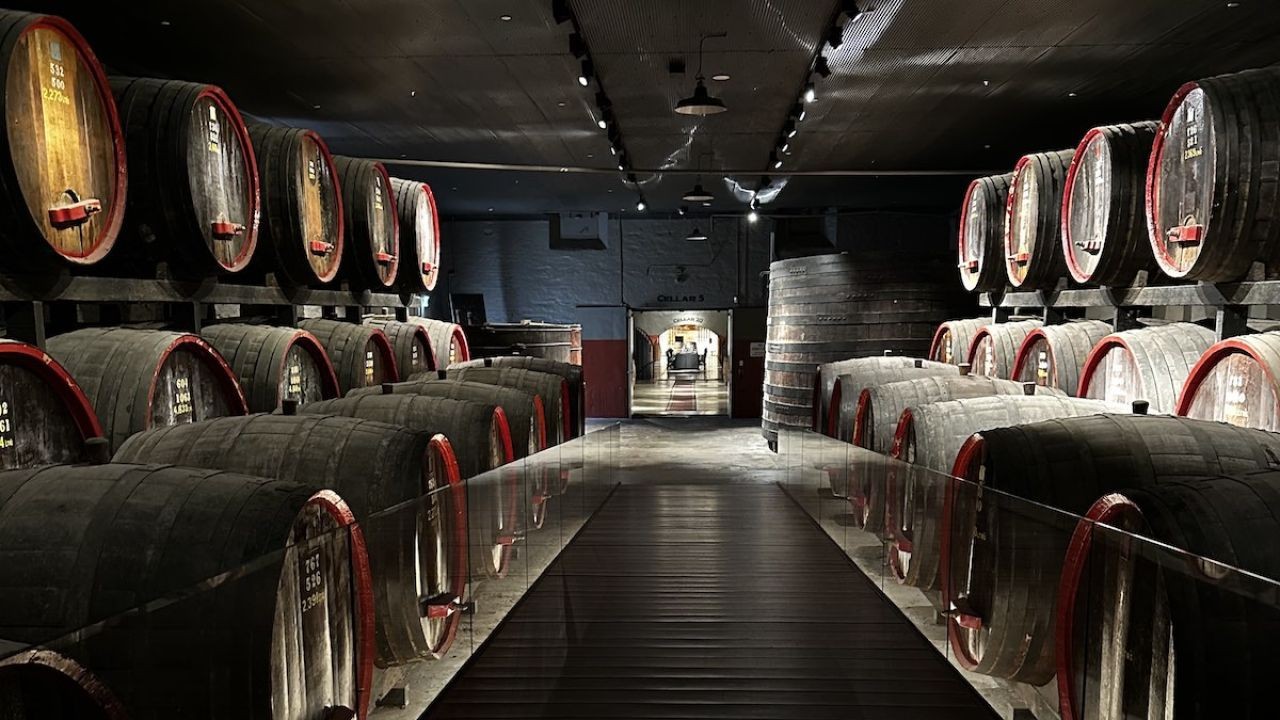
- For a South Australian Wine Region Tour: Slightly smarter evening wear for networking at cellar doors, a notebook for tasting notes that often reveal local tourism trends.
- For a Mining Town Assessment: Sturdy, closed-toe footwear for rough terrain, and research into FIFO schedules to understand rental demand cycles.
Assumptions That Don’t Hold Up
Many investors, especially those accustomed to flying between capital cities, carry flawed assumptions into a road trip strategy.
Myth 1: "I can buy anything I forget on the road." Reality: Regional and remote towns have limited retail options, often with early closing hours and significantly higher prices. A forgotten phone charger or specific medication can derail a day's itinerary. Based on my work with Australian SMEs in regional areas, supply chain fragility is a real operational consideration. Your packing self-sufficiency is a direct analogue to a property's resilience in these markets.
Myth 2: "I'll have perfect mobile coverage to access everything digitally." Reality: The Australian Mobile Telecommunications Association (AMTA) consistently highlights that while coverage is improving, significant black spots remain across regional Australia. Your due diligence cannot be hostage to Telstra's network. Critical files must be available offline.
Myth 3: "Packing light means taking fewer items." Reality: For an investment road trip, packing light is about versatility and organisation, not minimalism. One pair of multi-purpose shoes that are acceptable for both a property inspection and a business lunch is smarter than two single-purpose pairs. It's about strategic weight, not less weight.
Vehicle as Mobile Command Centre
Your vehicle is not just transport; it is your mobile office, archive, and equipment locker. Organisation here is paramount.
- Boot System: Use sturdy, stackable crates or bags to categorise items: one for inspection gear, one for marketing materials/brochures collected, one for refreshments.
- Dashboard Discipline: Use a magnetic phone mount for hands-free navigation. Keep a physical road atlas as a backup. A dashcam is a wise investment, serving as both a safety device and a potential record of property exteriors or neighbourhood conditions.
- Data Management on the Go: Implement a daily ritual. Each evening, transfer photos from inspections into a cloud folder (when service allows), transcribe handwritten notes into your digital database, and charge all devices. This prevents an overwhelming backlog and ensures details remain fresh.
The Costly Strategic Errors in Regional Scouting
Beyond forgotten socks, specific packing failures can have real financial consequences for your investment mission.
Error 1: Underestimating Climate Impact. Arriving in Broken Hill in summer without adequate cooling solutions for yourself and your electronics can cut inspection days short. Conversely, a winter trip to the Tasmanian highlands without proper layers will see you rushing viewings, missing critical details.
Error 2: Failing to Pack for Professional Presentation. Turning up to meet a vendor or agent looking dishevelled from a long drive undermines your credibility. A compact garment steamer and a spare, pressed shirt in a hanging bag can salvage a professional image after hours on the road.
Error 3: Neglecting Local Context. In my experience supporting Australian companies entering new regions, failing to respect local norms is a silent killer of deals. Your "flex" packing should include subtle adaptations—perhaps a less formal attire for certain rural communities, or knowledge of local issues to inform conversation. This isn't packed in a bag, but in your preparation.
A Case Study in Operational Efficiency: The Swift River Valley Assessment
Case Study: Regional Portfolio Expansion – The Five-Day Reconnaissance Sprint
Problem: An investment syndicate identified potential in a regional growth corridor highlighted in a Reserve Bank of Australia bulletin on post-pandemic population shifts. A five-day road trip was planned to inspect 15 shortlisted properties across three shires, meet with two planning officials, and gauge main street vitality. The risk was that poor logistics would compromise data collection and lead to rushed, emotional decisions.
Action: The lead analyst implemented the "Core & Flex" system meticulously. The core kit was pre-packed. The flex layer included climate-appropriate attire for variable alpine weather. A dedicated "admin crate" in the boot held a portable scanner, a filing system for council documents, and pre-addressed envelopes to post physical materials back to the office daily. Technology was rigged with dual power sources, and all mapping data was downloaded for offline use.
Result: The trip was executed with military precision. The team was never late, always prepared, and maintained professional energy throughout. They collected uniform data sets for all properties, secured valuable informal insights from local business owners, and avoided costly connectivity downtime.
Takeaway: The discipline of efficient packing created the operational bandwidth for high-quality analysis. The syndicate proceeded with two acquisitions based on robust, firsthand due diligence. The trip's cost was not an expense, but a high-return research investment, enabled by logistical foresight.
The Future of the Mobile Investment Office
The trend is towards even greater integration and mobility. We are moving beyond the laptop and phone. In the next five years, I anticipate Australian investors on reconnaissance will commonly utilise:
- Augmented Reality (AR) Tools: Overlaying potential development plans or renovation designs onto a live view of a property through glasses or a tablet during inspections.
- Portable LiDAR Scanners: Democratising technology to create instant, detailed 3D models of buildings and sites for remote review by partners or engineers.
- Advanced Biometric Logs: Using smartwatches not just for health, but to geo-tag and voice-memo observations in real-time, automatically syncing with project files.
The principle remains, however: the most advanced technology is useless if its battery is flat, it's buried under luggage, or it can't connect to a network. The foundational discipline of efficient, strategic packing will only increase in importance.
Final Takeaway & Call to Action
For the serious property investor, an extended road trip is a core strategic activity, not a leisure interlude. The meticulous, systematic approach you apply to financial modelling must extend to your logistical preparations. Your packing efficiency directly correlates to your observational acuity, your professional credibility, and ultimately, the quality of your investment decisions. The Australian landscape of opportunity is vast, but it rewards those who are prepared to engage with it thoroughly and respectfully.
Your Action Point: Before your next regional foray, conduct a dry run. Pack your vehicle as if for a real trip 48 hours prior. Live out of this system for a day. You will immediately identify flaws—the awkwardly placed document folder, the missing charging cable, the impractical footwear. This simple stress test refines your system and ensures that when you hit the road, your mind is focused entirely on assessing opportunity, not searching for a lost torch.
What is your most indispensable item for a property scouting road trip? Share your expert insight and join the discussion on professional networking platforms to exchange strategies for mastering the mobile due diligence process.
People Also Ask (PAA)
How does regional property investment differ from metropolitan in Australia? Regional investing often involves higher yield potential but requires deeper understanding of local economic drivers (e.g., a single mine, agricultural commodity, or university). Due diligence must account for narrower rental pools, different vacancy cycles, and potentially longer holding periods for capital growth.
What are the biggest risks when scouting property in remote Australia? Key risks include market illiquidity, extreme climate impacts on building integrity, reliance on a single industry for employment, and higher maintenance/management costs due to distance. Efficient packing and travel mitigates the operational risk of poor assessment.
What technology is most useful for property inspections on the road? Beyond basics, a thermal imaging camera attachment for your phone can identify heat leaks/water ingress, a drone (subject to CASA regulations) provides roof and site overviews, and cloud-based collaboration apps (like Miro or Notion) allow real-time note-sharing with team members back in the city.
Related Search Queries
- regional property investment strategy Australia 2024
- due diligence checklist for buying rural property
- best vehicles for Australian outback property inspection
- how to assess economic drivers of a country town
- technology for remote real estate due diligence
- Australian council zoning maps online access
- costs of holding investment property in regional Australia
- networking tips for property investors in new regions
- impact of interest rates on regional housing markets
- packing list for extended business travel Australia
For the full context and strategies on How to Pack Efficiently for an Extended Road Trip – Explained with Real AU Examples, see our main guide: Garden Landscaping Outdoor Videos Australia.