





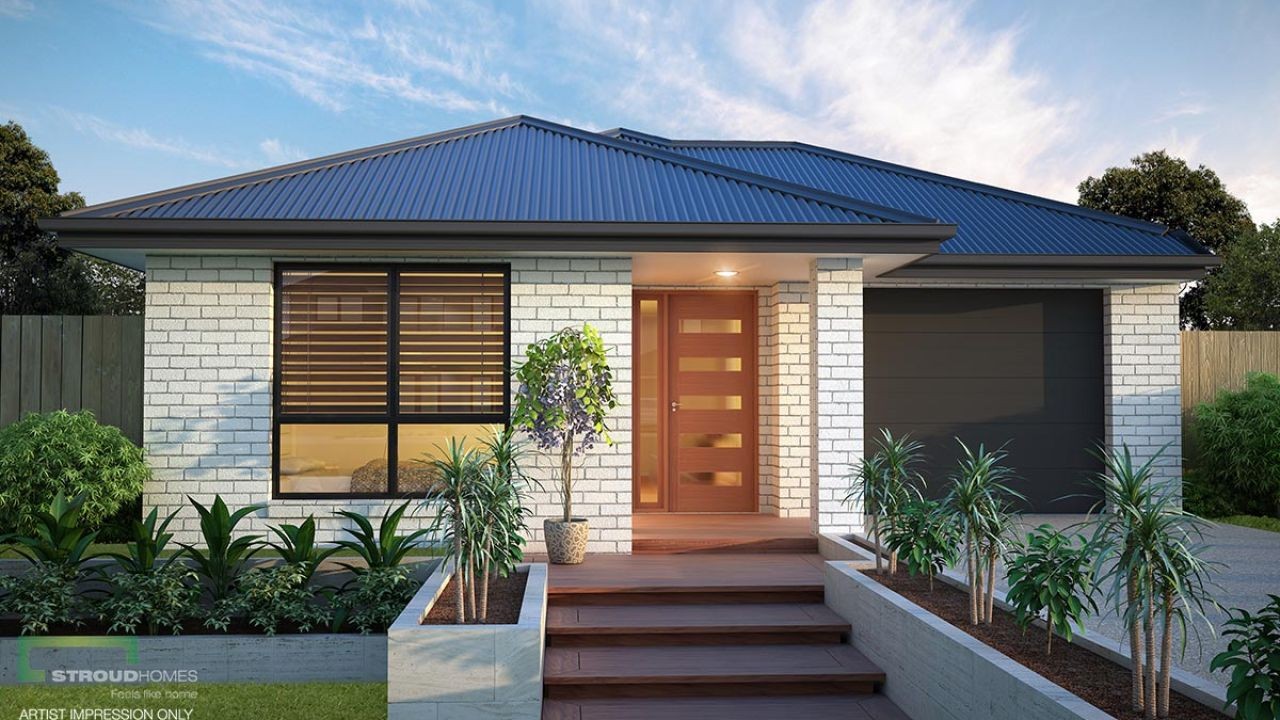
For many aspiring Australian homeowners, the path to property ownership feels increasingly like a distant dream. With median house prices in capital cities like Sydney and Melbourne hovering around seven figures, and the Reserve Bank of Australia's cash rate decisions creating mortgage payment volatility, the search for an affordable entry point is more urgent than ever. Enter the house and land package: a seemingly straightforward solution marketed as a cost-effective, streamlined, and modern path to a brand-new home. But beneath the glossy brochures and staged display villages lies a complex financial product with nuanced advantages and significant, often understated, risks. As a lifestyle trend forecaster, I analyse not just the surface appeal of such offerings, but the underlying economic, regulatory, and social currents that determine their true value. This analysis moves beyond sales rhetoric to dissect the data, the contractual fine print, and the long-term implications for the Australian buyer.
Deconstructing the Appeal: The Core Value Proposition
The fundamental allure of a house and land package is its promise of simplicity in a complex market. It bundles two major purchases—a block of land and the construction of a home—into a single transaction, often with a single point of contact. From a financial planning perspective, this can appear less daunting than navigating a competitive auction for an established home, then undertaking costly renovations.
Key perceived benefits include:
- First Home Buyer Incentives: New homes often qualify for enhanced government grants and stamp duty concessions. For instance, various state-based First Home Owner Grants (FHOG) and schemes can provide significant upfront savings, a critical factor for buyers with limited deposits.
- Deposit Structure: The staged payment schedule—typically a deposit for the land, followed by progressive payments during construction—can aid cash flow. You're not paying the full mortgage amount until the build is complete and you take possession.
- Modern Standards & Efficiency: New homes are built to current National Construction Code (NCC) standards, offering superior energy efficiency (NatHERS ratings), which translates to lower utility bills—a growing concern amid rising energy costs in Australia.
- Customisation (Within Limits): Buyers can often select from a range of designs, facades, and finishes, creating a sense of personalisation not available in the established market.
Drawing on my experience supporting Australian companies in the property advisory space, the psychological appeal is as powerful as the financial one. The narrative of building a "brand-new home" from the ground up carries significant emotional weight, representing a fresh start free of the hidden maintenance issues common in older properties.
Reality Check for Australian Businesses and Buyers
This is where the marketing narrative often diverges from on-the-ground reality. The house and land sector is a sophisticated ecosystem involving developers, builders, financiers, and marketers. The most significant pitfalls arise from a failure to understand its interconnected nature.
Assumption 1: "It's Always Cheaper Than Buying Established." This is highly location-dependent. While the upfront price tag in growth corridors may be lower, the total cost of entry must include often-overlooked expenses. These include site costs (landscaping, fencing, driveway), utility connections (which can run into tens of thousands in new estates), and potential cost escalations during the build. The Australian Bureau of Statistics (ABS) data on new residential construction shows persistent volatility in material costs; for example, the price index for metal products and electrical equipment saw significant increases through 2022-2023. A fixed-price contract is only as strong as its inclusions, and many buyers face hefty bills for variations or unforeseen site conditions.
Assumption 2: "The Land Will Automatically Appreciate Quickly." Capital growth in greenfield estates is not guaranteed and is typically slower than in established, infill suburbs with existing amenities, transport, and mature trees. Growth is contingent on the pace of the estate's development, the timely delivery of promised infrastructure (schools, shops, public transport), and broader market conditions. From observing trends across Australian businesses in development, delays in council approvals or infrastructure rollouts can stagnate growth for years.
Assumption 3: "It's a Totally Seamless Process." The process splits responsibility. The developer sells the land, and the builder (who may or may not be affiliated) constructs the house. If issues arise—construction delays, defects, or disputes—determining liability can become complex. The Australian Competition & Consumer Commission (ACCC) has previously taken action against developers and marketers for misleading representations about the nature of house and land packages, highlighting the need for extreme due diligence.
Case Study: Metricon & The Importance of Builder Viability
Problem: In 2022, Metricon, Australia's largest volume home builder, faced a severe crisis following the sudden death of its founder and escalating cost pressures. Rumours of insolvency sparked panic among thousands of customers with homes in various stages of construction. This event was not isolated; it followed the collapses of other major builders like Probuild, Condev, and countless smaller operations, exposing a systemic issue of fixed-price contracts amidst soaring material and labour costs.
Action: The crisis prompted urgent intervention. Metricon entered into negotiations with the Victorian State Government for a potential bailout and restructured its operations. For customers, the situation was one of anxious uncertainty, with little recourse but to wait and see if their life savings were secure.
Result: Metricon ultimately survived after securing a $30 million equity injection and renegotiating terms with its suppliers and customers. However, the episode resulted in significant construction delays, immense customer stress, and a stark industry-wide reckoning. It forced prospective buyers to scrutinise builder financials as closely as floor plans.
Takeaway: This case study is a potent lesson for any Australian considering a house and land package or any new build. The financial health of your builder is paramount. Due diligence must extend to checking the builder's credit rating, years in operation, and membership in a reputable domestic building insurance (DBI) scheme, which is mandatory but varies in coverage by state. In practice, with Australia-based teams I’ve advised, we now recommend clients request recent financial statements or, at a minimum, verify the builder's standing with the state building authority (e.g., the Victorian Building Authority or NSW Fair Trading) before signing any contract.
A Balanced Ledger: Weighing the Tangible Pros and Cons
✅ The Advantages
- Potential for Grant Eligibility: Maximising state and federal incentives can reduce initial outlays by tens of thousands of dollars.
- Predictable (Initial) Budgeting: A fixed-price contract for the build provides a clear, though not exhaustive, cost framework.
- Lower Maintenance Costs: New builds typically come with builder warranties (e.g., statutory 6-year structural warranty in NSW) and require minimal immediate upkeep.
- Energy and Technology Integration: Designed for modern living, with easier integration of solar PV, efficient appliances, and smart home systems.
❌ The Disadvantages and Risks
- Hidden and Escalating Costs: Site costs, variations, and rising interest rates during construction can blow out budgets.
- Illiquidity and Slower Growth: Your capital is tied up for the duration of the build (often 12-18 months), with typically slower capital appreciation in new estates.
- Builder Solvency Risk: As the Metricon case illustrates, the builder's collapse can leave you with an unfinished home and a significant financial loss, even with insurance.
- Community and Amenity Delays: You may live in a construction site for years, with promised parks, schools, and retail centres slow to materialise.
- Land Valuation Risk: The bank will value the completed property at the end of construction. If the market has softened or the valuation is lower than expected, you may face a finance shortfall.
The Financing Maze: Navigating the Two-Loan Structure
One of the most complex aspects is financing. A house and land package usually requires two loans: one for the land and one for the construction, often rolled into a single mortgage but drawn down in stages. The lender will only release funds upon completion of each building stage, verified by independent inspectors.
Critical considerations here include:
- Interest-Only During Construction: You typically pay interest only on the funds drawn down during the build, which helps manage cash flow.
- Valuation at Completion: The final bank valuation determines if the loan-to-value ratio (LVR) still meets the lender's criteria. A low valuation can be catastrophic.
- Loan Pre-Approval Validity: Ensure your pre-approval covers the entire construction period, as rates and lending criteria can change.
Based on my work with Australian SMEs in the mortgage broking sector, the most common financial pitfall is underestimating the total finished cost and not having a sufficient buffer—experts recommend at least a 10-15% contingency fund beyond the contract price.
Actionable Insights for the Australian Prospective Buyer
If you are considering this path, a forensic approach is non-negotiable. Here is your immediate action plan:
- Interrogate the Contract Inclusions: Before signing, have a solicitor specialising in construction law review the contract. Pay specific attention to what is excluded (site costs, fencing, landscaping) and the clauses regarding variations and cost escalation.
- Conduct Dual Due Diligence: Research both the land developer (track record, infrastructure delivery timelines, community plans) and the builder (financial health, build quality, past customer reviews, warranty claims history). Check their registration with the state building commission.
- Secure Independent Advice: Engage a buyer's agent with experience in new estates or an independent building inspector to advise on the land's suitability (soil tests, slope) and monitor construction progress at key stages.
- Stress-Test Your Finance: Work with a mortgage broker to model different interest rate scenarios over the construction period and beyond. Ensure your loan product is fit for purpose and includes a comfortable buffer.
- Visit Established Estates: Don't just tour the display village. Visit a similar estate that is 5-7 years old. Talk to residents about infrastructure delivery, community feel, and any issues they encountered. This provides a realistic preview of your future.
The Future of House and Land Packages in Australia
The model is evolving in response to market pressures and consumer demand. We are seeing a shift towards more integrated, sustainable, and higher-density offerings. Key trends to watch include:
- Sustainability-Led Design: Packages offering 7-star+ NatHERS ratings, integrated renewable energy, and water recycling as standard, moving beyond compliance to a core selling point.
- Build-to-Rent (BTR) and Institutional Investment: Large funds are entering the sector, acquiring land and building communities specifically for the rental market, which could alter the dynamics of traditional ownership-focused estates.
- Technology-Enabled Customisation: The use of VR and AR to visualise homes and finishes will become standard, improving buyer confidence and reducing design errors.
- Increased Regulatory Scrutiny: In the wake of builder collapses and quality issues, state governments may tighten financial probity requirements for builders and enhance consumer protections within the package sales process.
The fundamental question of whether a house and land package is a "good deal" cannot be answered universally. It is a conditional proposition. For a financially resilient, patient buyer who conducts exhaustive due diligence, values modern efficiency, and chooses a location with strong fundamentals, it can be a viable path to homeownership. For the buyer seeking quick capital growth, a turnkey solution, or absolute cost certainty, it presents considerable risks. In the Australian context, it remains a product of its time—a response to the affordability crisis that itself requires careful, unemotional analysis to navigate successfully.
People Also Ask (PAA)
What are the biggest hidden costs in a house and land package? Beyond the base price, buyers must budget for site costs (earthworks, retaining walls), utility connections (water, sewer, electricity, NBN), landscaping, fencing, window furnishings, and driveway paving. Variations to standard inclusions and potential construction delay costs are also common.
Is it better to buy land first then choose a builder separately? This "split contract" approach can offer more flexibility and potentially better pricing, as you can tender the build separately. However, it also requires you to manage two separate contracts and relationships, increasing complexity and your management responsibility.
How does the First Home Owner Grant (FHOG) work with a house and land package? The FHOG typically applies to new homes, making packages eligible. The grant is often paid on the completion of the home, not at the land settlement. You must apply through your state revenue office, and eligibility criteria (value caps, occupancy requirements) vary significantly between states and territories.
Related Search Queries
- house and land package pros and cons 2024 Australia
- first home buyer house and land package tips
- best house and land package developers Melbourne Sydney Brisbane
- house and land package fixed price contract explained
- what to know before buying a house and land package
- house and land package vs established home investment
- understanding progress payments construction loan
- Metricon house and land package reviews
- new estate infrastructure delays Australia
- how to check builder financial stability Australia
For the full context and strategies on The Truth About House & Land Packages – Are They Really a Good Deal? – How It Could Redefine Aussie Innovation, see our main guide: Sme Startup Videos Australia.