




For decades, the narrative around Māori land disputes in Aotearoa New Zealand has been framed through a lens of historical grievance and legal complexity. While that perspective holds truth, from my vantage point as a property development specialist, I see a different, more dynamic story unfolding—one of profound economic transformation and untapped potential. The long-term effects of resolving these disputes are not a drag on our future; they are the single greatest catalyst for inclusive, sustainable, and innovative growth this country will witness in the coming century. This isn't just about justice; it's about unlocking a multi-billion-dollar asset class, reshaping our urban and rural landscapes, and building a uniquely New Zealand model of prosperity that the world will look to emulate.
The Foundation: From Frozen Assets to Economic Powerhouses
To understand the future, we must first grasp the scale of the present. Māori freehold land, Māori customary land, and land held in trusts under Te Ture Whenua Māori Act 1993 represent approximately 1.5 million hectares, or around 6% of New Zealand's total land area. For generations, the fragmented ownership structures, complex governance, and restrictive legislation have rendered much of this land, as one report bluntly put it, an "economic wasteland." The value has been trapped, unable to be leveraged for the benefit of its owners or the wider economy.
However, a seismic shift is underway. Drawing on my experience in the NZ market, I've observed a new generation of Māori trustees, incorporations, and post-settlement governance entities (PSGEs) moving with strategic intent. They are not merely landowners; they are becoming sophisticated developers, infrastructure partners, and long-term holders of intergenerational wealth. The data is compelling: a 2023 report by BERL for Te Puni Kōkiri estimated the Māori economy's asset base at over $68.7 billion. A significant portion of this is land-based, and its productive potential is only just beginning to be realized.
Case Study: The Tauhara North No.2 Trust – From Dormant Land to Geothermal Giant
Problem: The Tauhara North No.2 Trust (TN2) held land in the Taupō region rich in geothermal resources. For years, the complexities of multiple ownership and a lack of capital and development expertise meant this asset remained largely dormant, generating minimal returns for its 1,600+ owners while global energy companies profited from the surrounding resource.
Action: TN2 shifted from a passive landowner to an active developer and equity partner. They negotiated directly with Contact Energy, not for simple land leases, but for a joint venture. TN2 contributed the land and resource rights as equity, securing an ownership stake in the multimillion-dollar Te Huka geothermal power station project.
Result: This strategic move transformed the trust's fortunes:
- It created a long-term, inflation-protected revenue stream tied to energy production, not just land rent.
- It provided the capital and expertise to develop other trust-owned land, leading to commercial and residential subdivisions.
- It empowered the trust to invest millions back into education, health, and well-being initiatives for its owners.
Takeaway: This case is a masterclass in asset elevation. It demonstrates that the highest value isn't always in selling or leasing land, but in using it as strategic equity to own the infrastructure and business on top of it. For developers, the lesson is clear: the future partner of choice for large-scale energy, housing, or tourism projects may well be a Māori land entity bringing critical resources and a 100-year vision to the table.
Redefining Urban Development: The Papakāinga Revolution
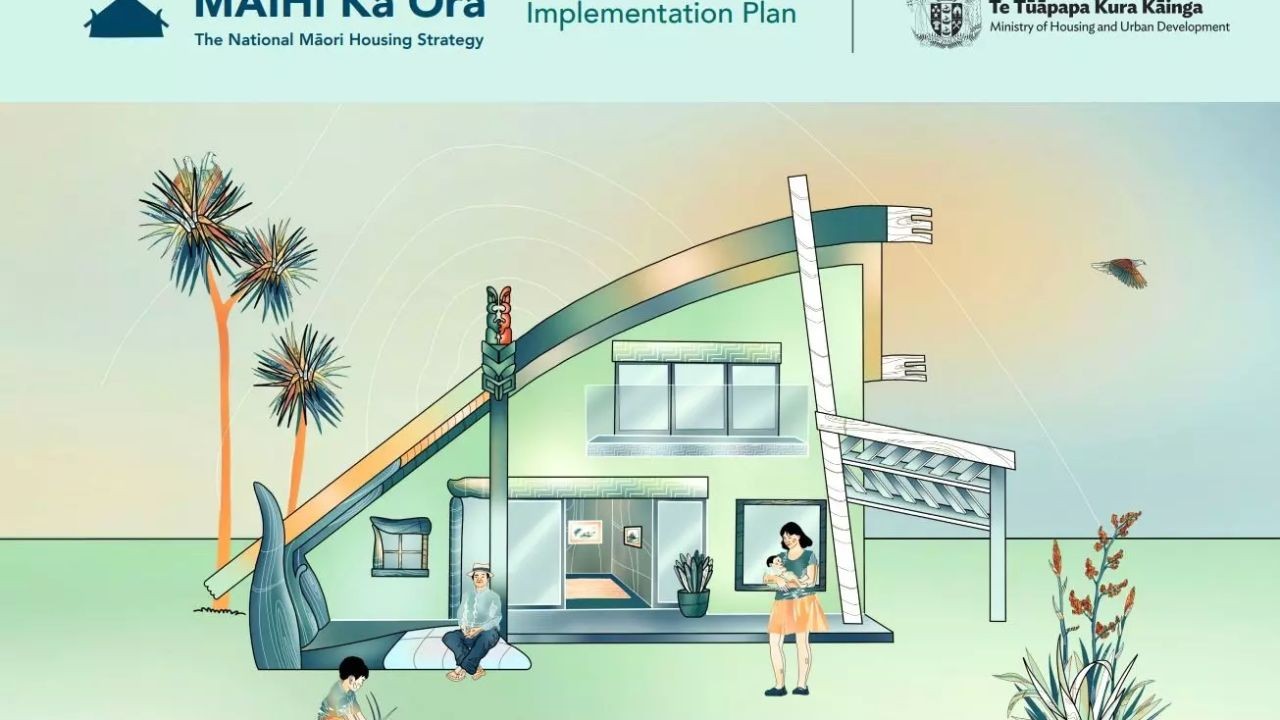
Nowhere is the transformative effect more immediate than in addressing New Zealand's housing crisis. The traditional developer model—buy, build, sell for maximum profit—often clashes with community needs and exacerbates urban sprawl. Māori land development, particularly through papakāinga (Māori-led housing on ancestral land), offers a powerful alternative model focused on intergenerational affordability, cultural connection, and community cohesion.
Based on my work with NZ SMEs and iwi partners, I've seen how papakāinga projects circumvent the speculative market. Homes are often owned by the trust or built under long-term ground leases, ensuring they remain affordable for future generations. The Ministry of Housing and Urban Development's (HUD) own data shows significant progress, with over 1,300 papakāinga homes delivered or in progress since 2018 through its funding programs. But this is just the tip of the spear.
The real innovation is in scale and integration. We're now seeing plans for entire papakāinga-inspired suburbs—mixed-use developments that integrate affordable housing, commercial spaces for Māori businesses, marae complexes, and sustainable land management. This isn't just building houses; it's building hapu (sub-tribe) and iwi (tribe) economies. For forward-thinking councils and private developers, partnering in these projects isn't charity; it's a strategic pathway to delivering much-needed housing with built-in social license and cultural integrity.
Actionable Insight for Developers: The Partnership Pathway
Engaging with Māori land entities requires a different mindset. Here’s a practical framework:
- Move Beyond Transaction to Relationship: Understand the whakapapa (genealogy) of the land and the intergenerational goals of the owners. This is a 100-year partnership, not a 2-year build.
- Structure for Shared Sovereignty: Models like joint ventures (JVs) or development agreements that grant the landowner equity and governance rights are becoming standard. The old "lease-and-forget" model is increasingly obsolete.
- Embed Cultural Design Principles: Work with cultural advisors from day one. Site orientation, spatial layouts, materials, and place naming are not aesthetic add-ons but core to the project's value and success.
- Plan for Multiple Capital Returns: A successful project should deliver financial return (utu), social benefit (whanaungatanga), environmental stewardship (kaitiakitanga), and cultural revitalization. Your metrics must reflect this holistic value.
The Great Infrastructure Alignment: A Nation-Building Opportunity
New Zealand faces a colossal infrastructure deficit—estimated by the Infrastructure Commission to be in the tens of billions. Major road, rail, water, and energy projects are urgently needed. Crucially, a significant portion of the required corridor land is Māori-owned. This creates both a challenge and an unprecedented opportunity.
The long-term effect here is the emergence of Māori entities as fundamental infrastructure partners. Rather than the Crown simply compulsorily acquiring land (a process that reignites historical trauma and legal conflict), we are moving toward sophisticated co-investment models. In practice, with NZ-based teams I’ve advised, we are seeing frameworks where land is contributed as equity, or where development rights above or alongside new transport hubs are granted to the landowning group.
This transforms a cost line on a government balance sheet into a wealth-creating partnership. It aligns long-term national infrastructure needs with long-term intergenerational Māori economic development. The recently announced $1.2 billion Regional Infrastructure Fund, which explicitly prioritises projects with iwi and Māori business involvement, is a clear policy signal of this shift. For infrastructure developers and financiers, understanding how to structure these partnerships is now a core competency.
Debunking the Myths: Separating Perception from Reality
Several persistent myths cloud the perception of Māori land development, creating unnecessary hesitation among potential partners and policymakers.
- Myth: "Māori land is too legally complicated to develop." Reality: While the legal framework is unique, it is not impenetrable. Specialised law firms and the Māori Land Court have streamlined processes. The complexity is often a reflection of the robust protections for multiple owners—a feature that, when properly managed, creates exceptional long-term stability and consent.
- Myth: "Resolving disputes and developing land will create a 'separatist' economy." Reality: The exact opposite is true. Successful Māori development generates jobs, supply chain opportunities, and economic activity that benefits entire regions. A thriving dairy farm on Māori land employs local contractors, uses local vets, and contributes to the local co-op. This is economic integration at its most potent.
- Myth: "It's only about rural land and farming." Reality: Some of the most valuable and strategically located urban land in cities like Auckland, Wellington, and Christchurch is Māori land. The future of our city centres, waterfronts, and transport-oriented development will be profoundly shaped by how these assets are activated.
The Contrarian Take: The Biggest Risk Isn't Conflict, It's Inaction
The conventional worry is that unresolved disputes lead to uncertainty, scaring off investment. My contrarian view, forged through projects with New Zealand enterprises, is that the greater risk to our national future is failing to empower and accelerate this development wave.
While others fret about process, I see a window of immense opportunity. We have a confluence of factors: a mature cohort of skilled Māori professionals in law, finance, and project management; supportive government policy frameworks; and a global investment community increasingly seeking ESG-aligned, impact-driven opportunities. Māori land development, done right, ticks every box: social impact, environmental stewardship, governance, and long-term returns.
The risk of inaction is a continuation of the status quo: underutilised assets, a deepening housing crisis, and a failure to build the infrastructure we need. It means leaving billions of dollars of potential wealth and well-being locked away. For New Zealand's future competitiveness and social cohesion, unlocking this potential is not optional; it is imperative.
The Future Landscape: A 20-Year Horizon
Looking ahead, the long-term effects will crystallise into a new economic normal:
- Māori Capital as a Dominant Force: We will see the rise of major Māori development funds and investment banks, capitalising on their own asset base to fund nationwide projects.
- Regenerative Development as Standard: The intrinsic kaitiakitanga (guardianship) ethic will push the entire property sector towards higher standards of environmental sustainability and regenerative design.
- A New Urban Form: Cities will feature more mixed-use, culturally anchored precincts developed by or in partnership with Māori, moving beyond monocultural urban design.
- Global Indigenous Benchmark: New Zealand will export not just its development expertise, but its legal and financial models for Indigenous economic empowerment, derived from our unique journey.
Final Takeaways & Call to Action
The long-term effects of Māori land disputes on New Zealand's future are being written today, not in courtrooms, but on development sites, in joint venture boardrooms, and in community planning meetings. This is the most significant reallocation and activation of capital in our nation's modern history.
For Property Development Specialists: Your next major project partner is likely a Māori trust or incorporation. Invest time now to understand Te Ture Whenua Māori, build genuine relationships, and learn to design for holistic value. This is the new frontier of our industry.
For Policymakers & Planners: Continue to remove the remaining legislative and financing barriers. Support capability building within Māori entities. Your role is to be an enabler, not a gatekeeper.
For All New Zealanders: Recognise that as this land-based economy flourishes, the benefits—through better housing, upgraded infrastructure, regional jobs, and a stronger, more distinctive national identity—will flow to everyone.
The narrative of dispute is giving way to a narrative of development. The question is no longer "What are the problems?" but "How do we build this future, together?" The land is speaking. It's time to listen, partner, and build.
People Also Ask (PAA)
How does Māori land development impact housing affordability in NZ? It provides a critical alternative model. Papakāinga and similar developments de-commodify housing, keeping homes affordable for generations through trust ownership or long-term leases, directly addressing the core of the affordability crisis.
What are the biggest legal hurdles for developing Māori freehold land? The key hurdles are securing sufficient owner consents under the Māori Land Court's requirements and navigating restrictions on alienation. However, these are manageable with expert advice and are designed to protect collective ownership, which in turn provides long-term project stability.
Can overseas investors partner with Māori land entities? Yes, but the structure is crucial. Overseas investment must align with the entity's intergenerational goals and often works best through minority stakes in joint ventures or as providers of specialised expertise/finance, with the land-owning group retaining control and significant equity.
Related Search Queries
- Te Ture Whenua Māori Act 1993 explained
- Papakāinga funding NZ 2024
- Māori economy asset value 2024
- Joint venture models with iwi
- Māori freehold land development process
- Post-settlement governance entities (PSGEs) list
- Kaitiakitanga in urban design
- MBIE Māori housing strategy
- Compulsory acquisition vs. co-investment NZ
- Case studies of successful Māori commercial development
For the full context and strategies on What Are the Long-Term Effects of Maori Land Disputes on New Zealand’s Future? – How It Could Redefine Life and Business in NZ, see our main guide: Nz Dairy Livestock Crop Videos.