





The Australian property market is a complex ecosystem, sensitive to shifts in demographics, infrastructure, and, crucially, the fundamental needs of the population. While we traditionally analyse zoning laws, interest rates, and migration patterns, a more profound, structural change is reshaping demand drivers from the ground up: the rapid, permanent integration of telehealth into our national healthcare framework. For the astute investor, this isn't merely a healthcare trend; it's a powerful demographic and behavioural signal with tangible implications for asset valuation, development feasibility, and portfolio strategy. Understanding its trajectory is no longer optional—it's a critical component of future-proofing investments.
The Unavoidable Demographic Equation: Ageing, Access, and Affordability
Australia's demographic clock is ticking with unmistakable clarity. The Australian Bureau of Statistics (ABS) projects that the number of people aged 65 and over will increase from 4.3 million in 2021 to between 6.5 and 6.7 million by 2041. Concurrently, the National Rural Health Alliance highlights that nearly 7 million people live in rural and remote Australia, areas consistently grappling with GP and specialist shortages. The traditional model of in-person care is buckling under this dual pressure of volume and geographical disparity. telehealth directly addresses this by decoupling access to quality care from physical proximity to a major hospital or specialist clinic.
From consulting with local businesses across Australia, I've observed the early property impacts in regional hubs. Towns with robust digital infrastructure are seeing an influx of semi-retired professionals—a cohort that values healthcare access but is no longer tied to capital cities. This is not a speculative trend. It's a recalibration of lifestyle choices enabled by technology. For property, this amplifies the value proposition of certain regional centres, not just for retirees, but for the healthcare workers who can now live there and consult remotely with metropolitan hospitals.
Actionable Insight for Investors:
Re-evaluate regional investment theses through a telehealth-enabled lens. Prioritise areas where state and federal governments are co-investing in high-speed broadband (e.g., through the Regional Connectivity Program or NBN Fixed Wireless upgrades). A town's future livability and demand profile are now intrinsically linked to its digital backbone. Scrutinise development opportunities in these locations, as demand for higher-quality, purpose-built rentals and lifestyle-oriented dwellings will intensify.
Economic Imperatives: Containing the System's Ballooning Costs
The financial sustainability of Medicare is a perennial national discussion. The Department of Health and aged care's annual reports consistently show healthcare expenditure growing faster than the population and inflation. telehealth presents a compelling cost-containment lever for the government. A study by the University of Melbourne found that telehealth consultations can be delivered at approximately 50% of the cost of an equivalent in-person visit when factoring in patient travel, infrastructure, and overheads. For a government managing a multi-billion-dollar health budget, these efficiencies are not marginal; they are systemic.
This economic imperative translates into policy permanence. The temporary Medicare Benefits Schedule (MBS) telehealth items introduced during the pandemic have undergone several iterations, moving from temporary to ongoing, albeit with more structured eligibility. The direction of travel is clear: telehealth is being woven into the fabric of funding models. For property, this signals a reduced long-term pressure to concentrate all medical infrastructure in expensive, high-density urban cores. The business case for smaller, distributed "health hubs" that facilitate telehealth consultations alongside basic diagnostics becomes stronger.
Technological Convergence: Beyond the Video Call
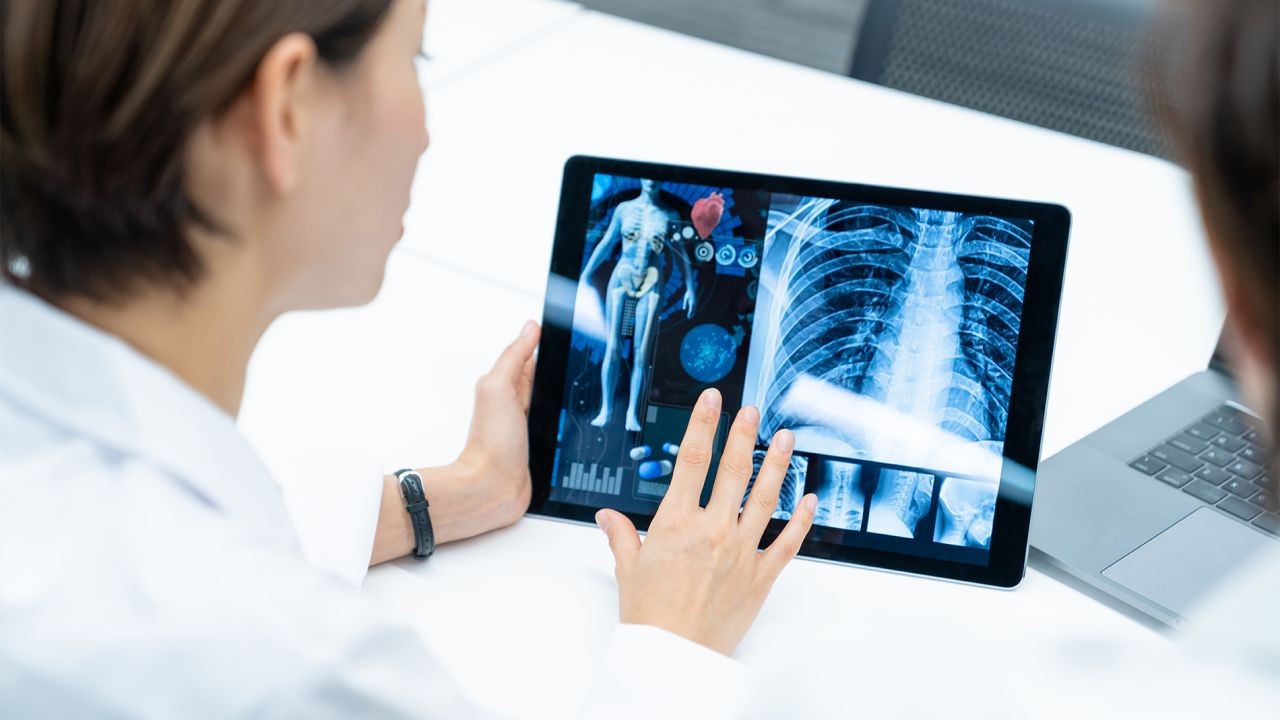
The public perception of telehealth as a simple video call is outdated. We are witnessing a convergence of technologies—Internet of Things (IoT), Artificial Intelligence (AI), and wearable diagnostics—that is creating a continuous, data-rich health management ecosystem. Patients with chronic conditions can now use connected devices to transmit blood pressure, glucose levels, and heart metrics directly to their care team. AI algorithms can flag anomalies for clinician review, enabling preventative intervention before a costly hospital admission is required.
Drawing on my experience in the Australian market, this shift has a direct correlation with building design and tenancy demand. The "MedTech" and health-tech startup sector is booming, supported by ventures like Blackbird Ventures. These companies require flexible, tech-enabled spaces. Furthermore, residential developers should consider future-proofing new builds with dedicated "health-tech nooks"—spaces with superior connectivity, power access, and acoustic privacy designed for reliable telehealth engagement. This is becoming a modern amenity, akin to a home office in the post-COVID world.
Here are five key reasons why telehealth is shaping the future—and what many Australians are getting wrong.
1. It Solves Access Gaps in Rural and Regional Australia
Australia’s geography has always posed challenges for equitable healthcare delivery. Patients in regional and remote communities often travel hours to see specialists. Telehealth reduces that burden dramatically.
Through Medicare-supported telehealth services, patients can consult GPs, mental health professionals, and specialists without leaving their homes. This is particularly important in states like Queensland, Western Australia, and the Northern Territory, where distances between towns can be vast.
What people are doing wrong:
Many Australians still assume telehealth is “second-best” compared to in-person visits. In reality, for follow-ups, prescription renewals, mental health sessions, and chronic disease management reviews, telehealth can be equally effective—and far more convenient.
2. It Reduces Healthcare System Pressure
Emergency departments and GP clinics across Australia are under strain due to workforce shortages and rising demand. Telehealth allows healthcare providers to triage cases more efficiently, reserving in-person appointments for patients who truly need physical examination or urgent care.
By handling routine consultations remotely, clinics can improve patient flow and reduce wait times. This helps prevent unnecessary emergency department presentations and supports more efficient allocation of healthcare resources.
What people are doing wrong:
Many patients wait until conditions worsen before seeking care, believing telehealth is only suitable for minor issues. In reality, early virtual consultations can prevent complications and reduce long-term healthcare costs.
3. It Supports Mental Health Care Accessibility
Australia has seen sustained demand for mental health services, particularly since the pandemic. Telehealth has proven highly effective for psychological counselling and psychiatric reviews, especially in regions where providers are scarce.
Video and phone consultations allow patients to access therapy discreetly and comfortably, reducing stigma and travel barriers. For many Australians, telehealth has become the preferred method for mental health support.
What people are doing wrong:
Some individuals assume mental health telehealth sessions are less personal or less effective than face-to-face visits. Research and clinical experience increasingly show comparable outcomes—provided the patient prepares properly and ensures a private, distraction-free environment.
4. It Improves Chronic Disease Management
Chronic conditions such as diabetes, cardiovascular disease, asthma, and arthritis require ongoing monitoring and follow-up. Telehealth enables regular check-ins without the logistical challenges of in-person visits.
Remote monitoring tools and digital health records allow clinicians to track patient data and adjust treatment plans efficiently. This is especially valuable for elderly Australians or those with mobility limitations.
What people are doing wrong:
Many patients still treat telehealth as a one-off convenience rather than integrating it into long-term care plans. Telehealth works best when combined with structured follow-up, regular data tracking, and coordination with in-person assessments when necessary.
5. It Aligns with Australia’s Digital Health Transformation
Australia’s healthcare system is undergoing broader digital reform, including electronic prescribing, My Health Record integration, and digital referrals. Telehealth fits naturally within this transformation.
As broadband access improves and digital literacy increases, telehealth will likely expand beyond general practice into specialist diagnostics, allied health, and preventative care services. Artificial intelligence triage tools and remote diagnostic devices may further enhance capabilities over the next five years.
What people are doing wrong:
Some Australians are underestimating the importance of digital preparedness. Poor internet connections, lack of familiarity with video platforms, and incomplete medical records can limit the effectiveness of telehealth appointments. Preparing technology in advance significantly improves outcomes.
The Economic and Workforce Reality
Australia faces ongoing healthcare workforce constraints, particularly in general practice and specialist services. Telehealth is not a replacement for in-person medicine—but it is a scalability tool. It allows clinicians to extend their reach, reduce administrative bottlenecks, and optimise scheduling.
From a policy perspective, maintaining sustainable Medicare funding for telehealth will be crucial. As healthcare costs rise, telehealth offers a pathway to cost containment while improving patient access—if implemented strategically.
Case Study: Teladoc Health & The Global Shift to Virtual-First Care
Problem: Traditional healthcare models struggled with accessibility, cost, and patient engagement, leading to poor outcomes in chronic disease management and high emergency department utilisation for non-urgent cases.
Action: Teladoc Health, a global leader, built a comprehensive virtual care platform integrating primary care, mental health, chronic condition management (like diabetes and hypertension), and even specialist consultations. They moved beyond episodic video calls to longitudinal, data-driven care plans facilitated by connected devices and dedicated care coordinators.
Result: Teladoc's 2023 data shows their integrated programs deliver significant systemic savings: a 6% reduction in total healthcare costs for enrolled populations and a 38% reduction in hospital admissions for patients with multiple chronic conditions. Patient satisfaction scores (Net Promoter Scores) consistently exceed 70.
Takeaway for Australia: This isn't just an American phenomenon. Australian Primary Health Networks (PHNs) and private health insurers are actively pursuing similar "virtual-first" partnerships. The success of this model reinforces that the future is integrated and continuous, not episodic. For commercial property, demand will grow for tenancies that house these care coordination centres—often back-office style spaces in suburban or regional business parks, not traditional high-street medical suites.
Assumptions That Don’t Hold Up: Debunking telehealth Skepticism
Many investors may dismiss telehealth as a pandemic artefact or question its clinical efficacy. This is a strategic misreading. Let's correct three common assumptions:
Assumption 1: "It's only for minor ailments." Reality: telehealth is now deeply embedded in specialist care. Psychiatry, dermatology (via teledermoscopy), cardiology (remote pacemaker monitoring), and post-operative follow-ups are widely conducted via telehealth. It enables efficient specialist oversight across vast distances.
Assumption 2: "Older populations won't adopt it." Reality: Data contradicts this. A 2023 report from the Australian Digital Health Agency showed rapid uptake among older Australians, particularly for medication reviews and chronic disease management with a familiar GP. The convenience of avoiding travel and waiting rooms is a universal benefit.
Assumption 3: "It will reduce demand for physical medical spaces." Reality: It will reconfigure it. The need for large, transactional GP waiting rooms may decline. However, demand will increase for: 1) Diagnostic pods in community settings (for blood tests, scans that feed results to a remote specialist), 2) Sub-acute and rehabilitation facilities that rely on remote specialist oversight, and 3) Specialised teleconsultation suites within existing hospitals for clinician-to-clinician advice.
The Property Investment Implications: A Sectoral Analysis
The rise of telehealth creates distinct winners and challenges across property sectors. A cautious investor must differentiate.
✅ Potential Beneficiaries:
- Regional & Coastal Lifestyle Markets: As mentioned, areas within reliable broadband zones become more viable for a broader demographic, supporting sustained demand for housing.
- Flexible Office & Business Park Assets: Demand from MedTech startups, healthcare admin, and care coordination centres for scalable, tech-heavy spaces.
- Build-to-Rent (BTR) Developments: The ability to integrate telehealth amenities and partner with healthcare providers offers a powerful point of differentiation in a competitive market, potentially commanding a premium.
- Ageing-in-Place Renovations: A surge in demand for home modifications that facilitate telehealth, benefiting the trades and businesses in this niche.
❌ Sectors Facing Headwinds or Requiring Adaptation:
- Traditional Suburban Medical Centres: Assets designed around high patient throughput for simple consultations may see tenancy demand soften. Repurposing or retrofitting for more procedural or diagnostic use will be key.
- Underserved Retail Strips: If a local GP clinic closes due to consolidation, it can reduce foot traffic for neighbouring retail tenants, impacting secondary retail asset values.
- Outdated Office Stock: Buildings without the power, cooling, and fibre connectivity required for data-intensive medical and tech uses will face obsolescence.
The Strategic Investor's Checklist
To navigate this shift, incorporate these questions into your due diligence:
- Digital Infrastructure Audit: What is the actual (not advertised) broadband and mobile coverage for the asset? Is it future-proofed for upgrades?
- Tenant Reconfiguration Potential: For a medical asset, can the floorplate be easily adapted from consultation rooms to procedure rooms or diagnostic spaces?
- Demographic Cross-Reference: Does the catchment area have an ageing demographic or a prevalence of chronic diseases that would benefit most from telehealth-enabled care models?
- Policy Monitoring: Are the local PHN or state health department investing in virtual care initiatives that could drive tenancy demand?
Future Trends & Predictions: The 2030 Outlook
By 2030, telehealth will be the default entry point for non-urgent care in Australia. We will see the rise of "Phygital" health hubs—small, local facilities where patients go for diagnostics and physical examinations, with the consultation itself conducted remotely with a specialist in another city. The Australian Prudential Regulation Authority (APRA) will likely encourage private health insurers to develop products deeply integrated with telehealth providers, shifting risk and changing patient flows. Property-wise, the premium for "health-ready" assets—both commercial and residential—will be firmly established in valuation models.
People Also Ask (PAA)
How is telehealth funded permanently in Australia?telehealth is funded through ongoing MBS items for GPs, specialists, and allied health, with specific eligibility rules. It is also funded by private health insurers and increasingly through direct contracts between healthcare providers and employers or PHNs.
Does telehealth improve health outcomes in Australia?Yes, particularly for chronic disease management and mental health in rural areas. Studies, including those from the CSIRO, show it improves medication adherence, enables earlier intervention, and increases patient engagement with their own care.
What are the biggest barriers to telehealth in Australia?The digital divide (poor internet in some regions), digital literacy among some patient groups, and regulatory hurdles around cross-border prescribing and licensing for specialists remain key challenges being actively addressed by policy.
Final Takeaway & Call to Action
The integration of telehealth is a structural, irreversible trend with a decade-long runway. For the property investor, it functions as a powerful lens through which to assess locational demand, asset functionality, and future tenant needs. It reinforces the flight to quality—whether in digital infrastructure, building design, or community amenity. The cautious strategy is not to bet on a single telehealth company, but to invest in the physical and demographic ecosystems that this technological shift makes more valuable.
Your immediate action: Take one property in your portfolio or watchlist and conduct the four-point checklist above. Does its future look more secure, or more vulnerable, in a telehealth-dominated world? The answer will guide your next, most informed move.
Related Search Queries: telehealth Australia investment impact, future of medical real estate Australia, regional property demand telehealth, Medicare telehealth MBS items, build-to-rent healthcare amenities, digital infrastructure property valuation, ageing population Australia property trends, MedTech startup office demand.
For the full context and strategies on 5 Reasons Why Telehealth Is the Future of Australian Healthcare – What You’re Probably Doing Wrong in Australia, see our main guide: Investor Pitch Videos Australia.