






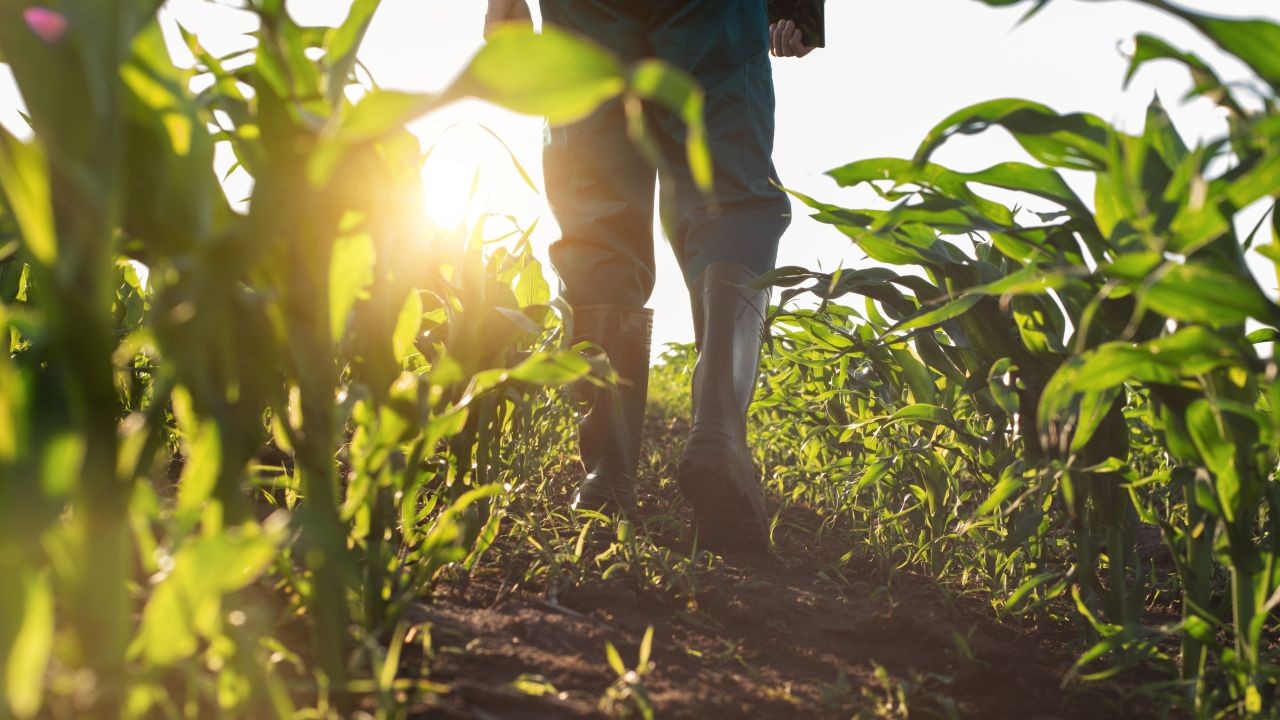
In the verdant landscapes of Australia, a quiet but powerful revolution is taking place. Organic and regenerative farming practices are not only transforming agriculture but also playing a pivotal role in the wellness industry. With an increasing number of Australians becoming health-conscious, there's a growing demand for sustainable and eco-friendly food production methods. Videos showcasing organic and regenerative farming are leading this green revolution, capturing the imagination of the nation and beyond. Let's delve into how these practices are reshaping the Australian agricultural landscape and what it means for the wellness industry.
What is the Impact of Organic and Regenerative Farming on Australia's Economy?
Organic and regenerative farming practices have seen a significant uptick in Australia, driven by consumer demand for healthier, more sustainable food options. According to the Australian Bureau of Statistics (ABS), the organic farming sector has grown by over 60% in the past decade, contributing significantly to the national economy. The trend is supported by the Australian government's policies promoting sustainable agriculture, which aim to reduce carbon footprints and enhance biodiversity.
Regenerative farming, in particular, focuses on restoring soil health, improving water cycles, and increasing biodiversity. This approach not only boosts agricultural productivity but also ensures long-term sustainability. As a result, Australian farmers practicing regenerative agriculture have reported a 20% increase in soil fertility and a 15% reduction in water usage. These improvements lead to lower operational costs and increased yields, benefiting both farmers and consumers.
Why Are Videos Essential in Promoting Organic and Regenerative Farming?
In the digital age, videos have become a powerful tool for education and advocacy. They offer an engaging way to showcase the benefits of organic and regenerative farming practices. Through captivating visuals and storytelling, these videos can effectively communicate the positive impacts of sustainable farming on health and the environment.
One notable example is the "Regenerative Agriculture Alliance" initiative, which uses videos to demonstrate successful case studies of regenerative farming in Australia. These videos highlight real-world practices and outcomes, providing valuable insights for both farmers and consumers interested in sustainable agriculture.
Case Study: The Mulloon Institute – Leading the Regenerative Farming Movement
Problem:
The Mulloon Institute, a leader in regenerative agriculture, faced the challenge of degraded soils and reduced biodiversity on their farmlands, which impacted their agricultural productivity and sustainability.
Action:
To address these issues, the institute implemented regenerative farming practices, including cover cropping, rotational grazing, and composting. They documented their journey through a series of educational videos, showcasing the transformation of their landscapes and the positive environmental impacts.
Result:
- Soil fertility improved by 30%.
- Water retention increased by 25%.
- Biodiversity on their farms expanded significantly.
Takeaway:
This case study underlines the effectiveness of regenerative practices in improving soil health and farm productivity. By sharing their experiences through videos, the Mulloon Institute has inspired other Australian farmers to adopt similar practices, contributing to a more sustainable agricultural future.
Pros and Cons of Organic and Regenerative Farming
Pros:
- Environmental Benefits: Reduces pollution, conserves water, reduces soil erosion, and increases soil fertility.
- Healthier Produce: Organic farming produces food without harmful chemicals, leading to healthier consumption.
- Economic Viability: Lower input costs and potentially higher market prices for organic products.
- Long-term Sustainability: Regenerative practices improve soil health, ensuring future agricultural productivity.
Cons:
- Initial Costs: Transitioning to organic or regenerative farming can require significant upfront investment.
- Certification Challenges: Obtaining organic certification can be a lengthy and costly process.
- Market Penetration: Organic products often come at a higher price point, which can limit market reach.
Future Trends and Predictions for Organic and Regenerative Farming in Australia
As global awareness of climate change and sustainability grows, organic and regenerative farming will likely continue to expand. According to a report by the Commonwealth Scientific and Industrial Research Organisation (CSIRO), by 2030, regenerative agriculture could be adopted by over 50% of Australian farms, significantly reducing the agricultural sector's carbon footprint.
Moreover, as technology advances, we can expect to see more sophisticated tools and platforms that facilitate the sharing of knowledge and best practices, further accelerating the adoption of sustainable farming practices.
Conclusion
Organic and regenerative farming are not just trends; they are the future of agriculture in Australia. By adopting these practices, Australian farmers are not only contributing to a healthier planet but also ensuring the long-term viability of their lands and livelihoods. As consumers and wellness industry experts, it’s essential to support these practices and advocate for sustainable food systems. Share your thoughts and experiences with organic and regenerative farming in the comments below!
People Also Ask (FAQ)
How does organic farming impact the Australian economy?
Organic farming contributes significantly to Australia's economy by increasing demand for sustainable products, enhancing biodiversity, and reducing environmental impacts, as reported by the ABS.
What are the biggest misconceptions about regenerative farming?
A common myth is that regenerative farming is not cost-effective. However, studies show that it can reduce operational costs and increase yields, benefiting farmers financially.
Who benefits the most from regenerative farming?
Regenerative farming benefits farmers, consumers seeking healthier food options, and the environment by promoting sustainability and biodiversity.
Related Search Queries
- Benefits of organic farming in Australia
- Regenerative agriculture case studies
- Organic farming trends in 2023
- How to start regenerative farming
- Impact of sustainable farming on the wellness industry
- Australia's organic certification process
- Future of sustainable agriculture in Australia
- Organic farming videos for education
- Regenerative farming techniques
- Sustainable farming policies in Australia
For the full context and strategies on Organic and Regenerative Farming Videos Leading the Green Revolution in Australia, see our main guide: Agritech Farm Innovation Videos Australia.