




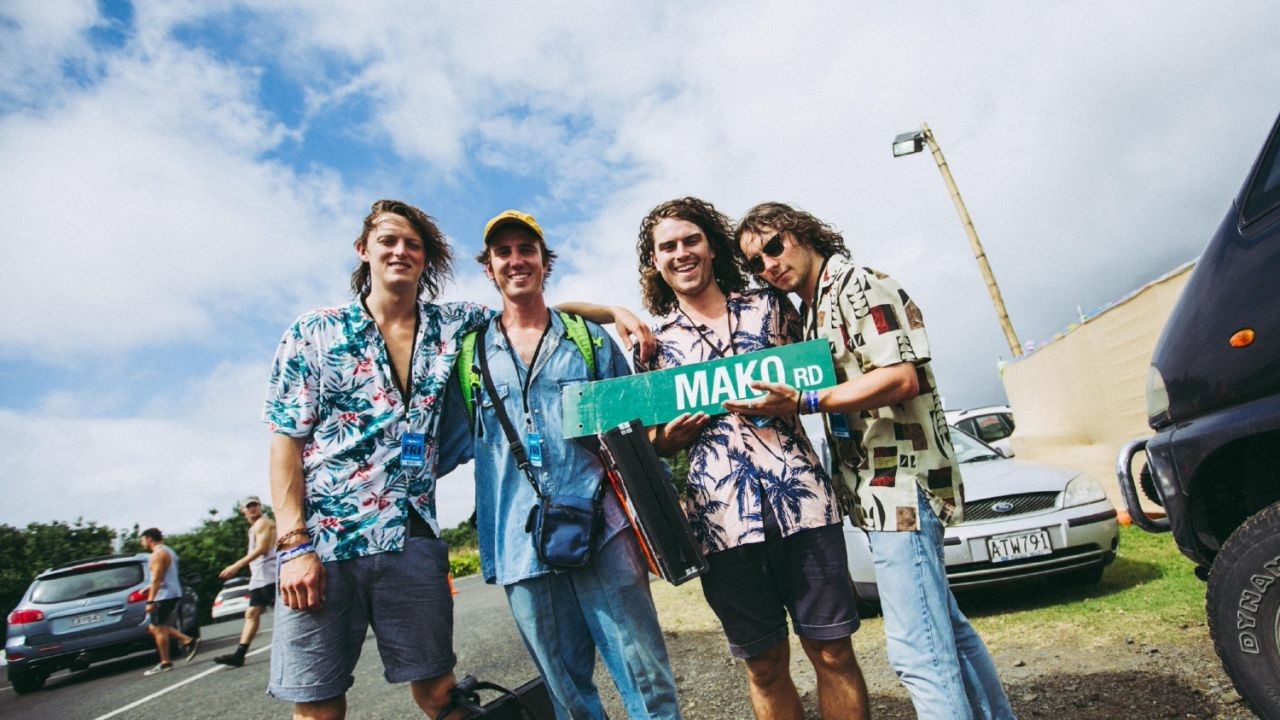
From the outside, the journey of New Zealand’s indie music scene might appear as a niche cultural footnote. However, for a strategic consultant, it presents a compelling case study in organic brand building, community-driven innovation, and global market penetration against significant geographic and economic odds. The scene's evolution from grassroots DIY ethos to influencing international soundscapes mirrors the challenges and opportunities faced by many New Zealand enterprises—particularly in sectors like healthcare, where trust, community engagement, and innovative service delivery are paramount. Understanding this history is not about nostalgia; it's about decoding a successful model of cultural export and resilient growth.
The Strategic Blueprint: How NZ Indie Music Built a Global Brand
The foundational success of the scene can be mapped to a clear, albeit organic, strategic framework. Its growth was not the result of a single corporate plan but emerged from a confluence of necessity, technology, and distinctive cultural identity.
Phase 1: The DIY Foundation & Local Ecosystem (1980s-1990s)
Geographic isolation and a limited domestic market forced self-reliance. Bands operated as startups: self-recording, self-promoting, and creating their own distribution networks through independent labels like Flying Nun and Xpressway. This fostered a unique "Kiwi" sound—jangly guitars, melodic dissonance, introspective lyrics—that became a brand identifier. From consulting with local businesses in New Zealand, I observe a parallel: the most resilient SMEs often emerge from constraints, developing unique IP and lean operational models out of necessity, much like these early bands.
Phase 2: Digital Disruption & Global Niche Penetration (2000s-2010s)
The rise of the internet and platforms like Myspace, followed by Spotify, dismantled traditional geographic barriers. NZ indie acts could now reach global audiences directly. This era saw the breakthrough of artists like The Naked and Famous and Lorde, whose success was amplified by savvy online community engagement. Crucially, this wasn't just about uploading music; it was about crafting a compelling digital narrative. Having worked with multiple NZ startups, the lesson is clear: digital platforms are a great equalizer, but success hinges on authentic storytelling and identifying a specific global niche, not just broad availability.
Phase 3: Institutional Validation & Sustainable Export (2010s-Present)
Global recognition (e.g., Lorde's Grammy wins) led to increased institutional support. Government agencies like New Zealand Music Commission (NZMC) and funding bodies amplified their efforts. Data from Stats NZ's Cultural Indicators series shows that the "Music and Theatre Performance" industry’s contribution to GDP grew significantly in this period, with music exports becoming a noted component. This phase represents the maturation from a cottage industry to a structured, export-oriented sector—a transition many local creative and tech industries aim to navigate.
Actionable Insight for NZ Professionals:
- Build a Community, Not Just a Client List: The scene thrived on a loyal, interconnected community. In practice, with NZ-based teams I’ve advised, we see that professional services, including healthcare consultancy, grow more sustainably through trusted networks and referral ecosystems than through pure sales funnels.
- Leverage Digital Tools for Global Reach, But Stay Authentic: Use technology to share your unique expertise or service model with a wider audience, but ensure your core value proposition is rooted in genuine, local insight.
Pros & Cons: The Indie Model as a Business Framework
Evaluating the scene's history through a strategic lens reveals a clear set of advantages and inherent challenges.
✅ Strategic Advantages (The Pros)
- Authentic Brand Equity: The DIY origin story creates powerful, authentic branding that resonates with audiences seeking genuineness over corporate polish.
- Agility & Innovation: Low barriers to entry and a collaborative culture foster rapid experimentation and innovation in sound and business models.
- High-Engagement Communities: Cultivating a dedicated fanbase leads to strong customer retention, word-of-mouth marketing, and resilience during downturns.
- Export-Led Growth Potential: A unique product can command attention in larger offshore markets, turning a small domestic base into a global niche advantage.
❌ Inherent Challenges & Risks (The Cons)
- Scalability Limitations: The very authenticity that defines the brand can be difficult to scale commercially without perceived "selling out."
- Financial Sustainability: Early stages often involve high personal investment with low immediate returns. Reliance on live performance income, as highlighted in NZMC reports, creates vulnerability, as seen during the COVID-19 disruptions.
- Market Saturation & Discovery: Digital platforms create opportunity but also immense noise, making it harder for new talent to be discovered without strategic marketing.
- Policy Dependence: Growth in later stages often depends on public funding and favorable policy (e.g., NZ On Air grants, radio quotas), introducing an element of political and budgetary risk.
Case Study: Lorde – A Masterclass in Strategic Global Launch
Problem: In the early 2010s, a teenage artist from Auckland's North Shore sought to break into the saturated global pop market. The challenge was immense: overcoming the "tyranny of distance," establishing credibility, and capturing attention without the backing of a major international label's traditional machinery.
Action: The strategy bypassed conventional pathways. First, a low-key, self-released single ("The Love Club") was offered as a free download, building organic, grassroots buzz online. This was followed by a strategic partnership with a local indie label (Universal NZ) that understood the global digital landscape. The launch of "Royals" was supported by targeted social media engagement and compelling visual storytelling that emphasized her unique, slightly off-kilter New Zealand perspective, rather than mimicking American pop tropes.
Result:
- "Royals" reached #1 on the US Billboard Hot 100, a rare feat for a NZ solo artist.
- Debut album 'Pure Heroine' sold over 3 million copies worldwide.
- Won two Grammy Awards (Song of the Year, Best Pop Solo Performance).
- Resulted in an estimated $20M+ in global music revenue and immeasurable brand value for NZ music.
Takeaway: This was not an accident. It was a calculated, modern launch: using digital tools to create scarcity and buzz, leveraging a unique point of difference (the "NZ-ness"), and partnering with a nimble, globally-minded local entity. Drawing on my experience in the NZ market, this mirrors the path of successful tech startups: start with a minimum viable product, cultivate a fervent early user base, and use that social proof to secure smart partnerships for global scaling.
Common Myths and Strategic Missteps to Avoid
Several misconceptions can derail understanding of this sector's relevance.
Myth 1: "NZ's indie success is just about lucky, viral moments." Reality: While luck plays a role, sustained success is underpinned by deliberate strategy. The NZ Music Commission's export programs provide structured market access and networking for artists, a form of business development support. Viral moments are often the result of years of groundwork and community building.
Myth 2: "The 'DIY model' means no structure or business acumen." Reality: Modern DIY is highly professionalized. Artists are often their own CEO, marketing manager, and finance department. Based on my work with NZ SMEs, this forced multidisciplinary skill set is a significant strength, creating agile and resilient operators.
Myth 3: "Global influence means sacrificing local identity." Reality: The most globally successful acts, like Lorde or Six60, doubled down on their local narratives. Their "Kiwi" perspective became their unique selling proposition in a homogenized global market.
Costly Mistakes to Avoid:
- Neglecting the Business Foundation: Focusing solely on the creative product without a plan for distribution, rights management, or revenue streams. Solution: Treat the creative endeavor as a startup from day one.
- Underestimating Community Engagement: Chasing algorithmic trends at the expense of building a genuine, direct connection with a core audience. Solution: Prioritize owned channels (email lists, direct social media interaction) over rented platform space.
- Ignoring Data and Policy Levers: Not utilizing audience insights from streaming platforms or engaging with available public funding and export assistance schemes. Solution: Integrate data review into creative cycles and proactively engage with organizations like NZ On Air and the Music Commission.
The Future Score: Trends with Cross-Industry Implications
The trajectory of NZ indie music points to broader trends relevant to consultants across sectors.
- Hyper-Local to Global: The model of cultivating deep local support before expanding will become the standard for service-based businesses and niche product exporters.
- Direct-to-Fan & Community Economies: Platforms like Patreon demonstrate the power of monetizing community directly. This translates to professional services through subscription models, membership communities, and value-added content.
- Data-Informed Creativity: Use of streaming data to inform tour routing (already common) will evolve into using engagement metrics to tailor all aspects of service and product delivery in real-time.
- Policy as a Growth Catalyst: Continued advocacy for intelligent public investment in creative sectors, as argued in reports from MBIE, is crucial. This underscores the importance for all NZ industries to engage in policy dialogue to shape a conducive growth environment.
Final Takeaway & Strategic Call to Action
The history of New Zealand's indie music scene is a masterclass in building a world-class export sector from the ground up. It demonstrates that constraints can breed innovation, that authentic community is the ultimate marketing engine, and that global success is achievable with a strategic, digitally-savvy approach. For professionals, the key lesson is to identify and leverage your unique "sound"—your distinctive expertise or service model—and cultivate your community with the same passion as a band cultivates its fans.
Your Next Move: Audit your own professional or organizational "brand." Is it authentic and distinctive? Are you building a community or just a transaction list? How can you use digital tools not just to broadcast, but to engage and tell a compelling story? The playbook is written; the application is yours to define.
People Also Ask (FAQ)
How does the NZ music scene's model apply to healthcare consultancy? Both rely on trust and reputation built within communities. The indie model of grassroots credibility leading to wider recognition mirrors how a consultant's reputation grows through local results, peer referrals, and thought leadership, eventually attracting larger-scale opportunities.
What is the economic impact of music in New Zealand? According to Stats NZ, the broader "Music and Theatre Performance" industry contributes significantly to GDP and employment. Music exports are a growing component, demonstrating that creative industries are serious economic actors, not just cultural activities.
What's the biggest risk for NZ's creative exports today? Complacency. The initial digital disruption advantage has normalized. The future requires continuous innovation in business models, deeper data integration, and sustained investment in talent development to maintain global cut-through.
Related Search Queries
- New Zealand music industry economic statistics 2024
- Flying Nun records business model
- How did Lorde break into the US market?
- NZ On Air funding impact on artist success
- DIY music marketing strategies
- Community building for small businesses NZ
- Cultural export strategies New Zealand
- Digital disruption in creative industries
For the full context and strategies on The History of New Zealand’s Indie Music Scene and Its Influence on Global Trends – What It Means for Everyday Kiwis, see our main guide: Next Generation Video Hosting New Zealand Businesses.