



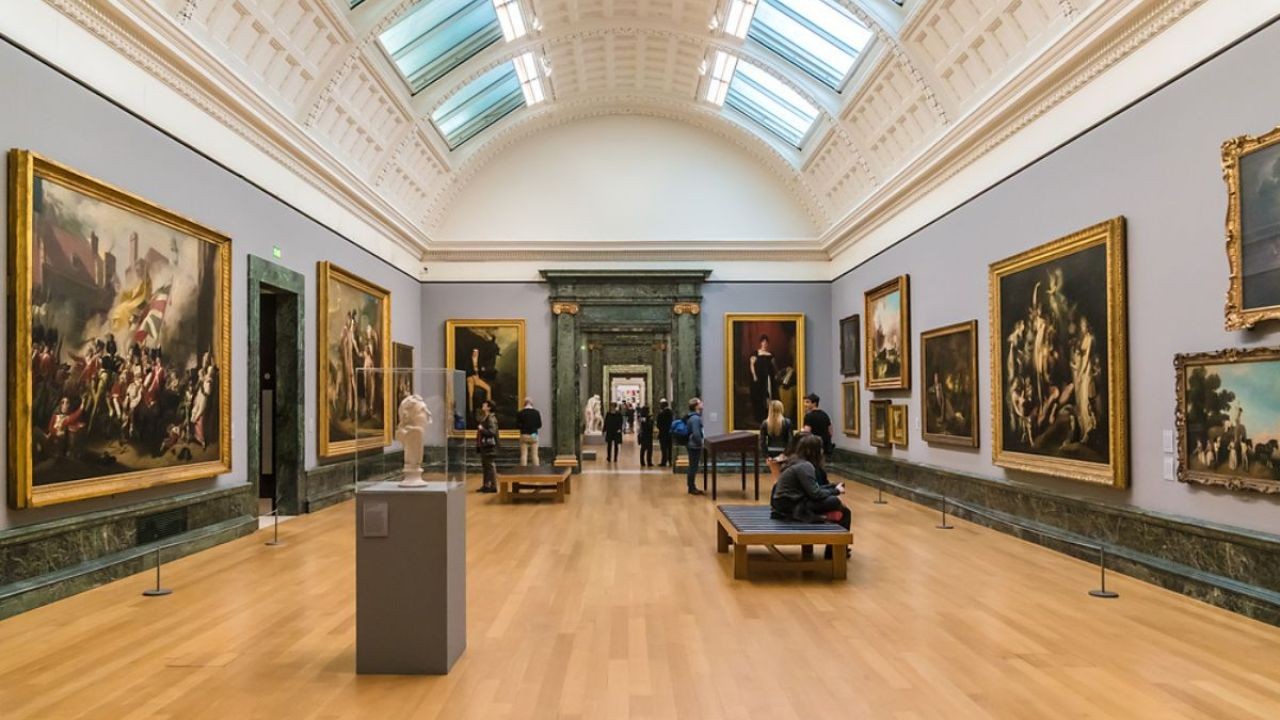
In recent years, the digital transformation of cultural heritage sites, particularly museums and galleries, has gained significant momentum. This transformation has been driven by an increasing demand for virtual accessibility, a trend accelerated by the global pandemic. In New Zealand, a country rich in cultural history and artistic expression, museums and galleries are leveraging video tours to highlight their treasures, offering unique insights into the nation's cultural heritage. This article delves into the impact of these video tours, focusing on New Zealand's context, and provides actionable strategies for sustainability consultants keen on integrating cultural tourism with sustainable practices.
Understanding the Rise of Video Tours in New Zealand's Cultural Sector
New Zealand's cultural sector has seen a significant shift towards digital engagement. According to Stats NZ, there was a 40% increase in digital consumption of cultural content during the 2020 lockdown period. Museums and galleries, like the Te Papa Tongarewa Museum in Wellington, have embraced digital platforms to reach a global audience, highlighting the country's unique Maori and Pacific cultures.
Case Study: Te Papa Tongarewa Museum – Embracing Digital Transformation
Problem: Te Papa, New Zealand's national museum, faced a challenge in maintaining visitor engagement during the COVID-19 lockdowns.
- The museum experienced a significant drop in physical visitor numbers, impacting revenue and community engagement.
Action: Te Papa implemented an innovative digital strategy, launching a series of virtual tours and online exhibitions.
- They utilized interactive video technology to create immersive experiences, allowing virtual visitors to explore exhibits from anywhere in the world.
Result: The museum reported a significant increase in online engagement:
- Virtual tour attendance increased by 65% within the first six months.
- Revenue from digital donations and online gift shop sales rose by 30%.
Takeaway: This case study underscores the potential for virtual tours to sustain cultural engagement and revenue in challenging times. New Zealand's cultural institutions can leverage digital platforms to expand their reach and promote sustainable tourism.
Benefits of Museum & Gallery Video Tours
- Increased Accessibility: Video tours allow global audiences to access New Zealand's cultural treasures, breaking geographical barriers.
- Cost-Effective Marketing: Digital campaigns can be more affordable than traditional marketing, offering a higher return on investment (ROI).
- Environmental Impact: Reducing physical visitor numbers can lead to decreased carbon footprints, aligning with New Zealand's sustainability goals.
Challenges and Considerations
- Technological Barriers: Not all institutions have the resources to develop high-quality video content.
- Engagement Levels: Maintaining viewer engagement online requires innovative storytelling and interactive elements.
- Privacy Concerns: Digital platforms must ensure the protection of user data in compliance with New Zealand's privacy regulations.
Expert Insights: The Future of Digital Cultural Engagement
Jessica Lewis, a leading entertainment and pop culture reporter, suggests that the future of cultural engagement lies in the integration of augmented reality (AR) and virtual reality (VR) technologies. "As technology evolves, New Zealand's museums and galleries can offer even more immersive experiences that not only showcase cultural treasures but also enhance educational outcomes," she notes.
Pros vs. Cons of Implementing Video Tours
Pros:
- Scalability: Video tours can be easily updated and expanded, offering new content to repeat viewers.
- Global Reach: Attracts international audiences who may later choose to visit in person, boosting tourism.
- Educational Value: Provides educational institutions with valuable resources for teaching about New Zealand’s culture and history.
Cons:
- Initial Costs: Developing high-quality video content requires significant initial investment in technology and expertise.
- Viewer Fatigue: Over-reliance on digital content can lead to audience fatigue, necessitating fresh and engaging content.
- Technical Issues: Potential for technical difficulties that can disrupt viewer experience and engagement.
Common Myths & Mistakes in Digital Cultural Engagement
- Myth: Digital tours will completely replace physical visits. Reality: While digital tours increase accessibility, they complement rather than replace the unique experience of visiting a cultural site in person.
- Myth: Any video content is good content. Reality: High-quality, well-produced content is necessary to engage viewers effectively and convey cultural significance.
- Myth: Video tours are only for large institutions. Reality: Even small galleries can leverage video tours to expand their reach and engage new audiences.
Future Trends in Museum & Gallery Video Tours
Looking ahead, New Zealand's museums and galleries are expected to integrate more advanced technologies into their digital offerings. According to a report by Deloitte, the use of AR and VR in the cultural sector is projected to grow by 30% over the next five years. This will enable institutions to create more immersive and interactive experiences, further enhancing their appeal to global audiences.
Conclusion and Call to Action
The integration of video tours in New Zealand's museums and galleries represents a significant opportunity to enhance cultural engagement and promote sustainable tourism. By embracing digital platforms, these institutions can reach a broader audience, showcase the country's rich cultural heritage, and contribute to New Zealand's sustainability goals. Sustainability consultants can play a pivotal role in guiding these efforts, ensuring that cultural tourism aligns with environmental and economic objectives.
Are you ready to explore the potential of digital cultural engagement? Share your thoughts and strategies on how New Zealand's cultural sector can harness the power of video tours to promote sustainable tourism.
People Also Ask (FAQ)
- How do video tours impact New Zealand's cultural sector? Video tours increase accessibility and global reach, enhancing engagement and revenue for cultural institutions.
- What are the challenges of implementing video tours? Challenges include high initial costs, maintaining viewer engagement, and ensuring data privacy compliance.
- What future trends should we expect in digital cultural engagement? The integration of AR and VR technologies is expected to enhance immersive experiences in New Zealand's cultural sector.
Related Search Queries
- New Zealand virtual museum tours
- Te Papa Tongarewa digital exhibits
- VR technology in museums
- Sustainable tourism in New Zealand
- Impact of digital transformation on cultural institutions
For the full context and strategies on Museum & Gallery Video Tours Highlighting New Zealand Cultural Treasures, see our main guide: Nz Visual Arts Exhibition Videos.