




When a global celebrity like Kim Kardashian West makes headlines for a perceived shift in her famously curated aesthetic, the immediate reaction is often framed within the lens of fashion gossip. However, as an environmental researcher, I see a far more significant and optimistic narrative unfolding—one that speaks to the powerful, often unspoken, influence of cultural icons on mainstream sustainability. The recent discourse around Kardashian’s style, reportedly influenced by her deepening engagement with criminal justice reform and White House advocacy, is not merely about a wardrobe change. It is a microcosm of a larger, accelerating trend: the convergence of personal brand, political activism, and environmental consciousness. This phenomenon, which I term "Advocacy-Driven Consumption," is reshaping markets globally and presents a profound opportunity for New Zealand's innovative green economy.
Beyond the Headlines: Decoding the "Style Change" as a Sustainability Signal
Let's dissect the core question: why would activism influence style? For a figure like Kim Kardashian, whose brand is built on meticulous image curation, every public choice is a communication. A move towards more minimalist, repeated, or vintage pieces—often reported alongside her policy work—sends a deliberate signal. It moves away from the ultra-fast-fashion, hyper-consumptive "haul" culture she was once synonymous with and towards a narrative of intentionality and substance. This isn't about abandoning fashion; it's about aligning it with a newfound purpose. From an environmental perspective, this shift is critical. The fashion industry is responsible for an estimated 10% of global carbon emissions and is a major polluter of waterways. When a trendsetter of this magnitude implicitly critiques disposable fashion, it creates a cultural permission slip for millions to reconsider their own consumption habits.
The Ripple Effect: From Red Carpets to Real Change
This influence is not theoretical. We've seen it before. When Meghan, Duchess of Sussex, wore sustainable brands like Reformation or reused clothing for public engagements, those brands experienced instant sell-outs and global search spikes increased by over 200%. Kardashian’s potential pivot carries even greater commercial weight. Her brand, SKIMS, is a valuation powerhouse. If that empire were to integrate and champion verified circular economy principles—such as using regenerative natural fibers, implementing robust take-back schemes, or pioneering durable design—it could move entire supply chains. The action point is clear: celebrity advocacy is becoming a primary driver of sustainable consumer awareness. In practice, with NZ-based teams I’ve advised, we monitor these cultural signals to anticipate shifts in consumer demand for local, traceable, and ethically produced materials like Merino wool or possum merino blends.
The New Zealand Advantage: Positioning Aotearoa as the Authentic Source
This is where New Zealand’s unique value proposition shines with extraordinary potential. While global celebrities may drive the trend, New Zealand possesses the authentic, story-rich, and high-integrity products that discerning, values-driven consumers ultimately seek. Our national brand is intrinsically linked to purity, innovation, and kaitiakitanga (guardianship). This isn't just marketing; it's backed by tangible economic activity. According to Stats NZ, exports of environmentally related goods and services reached $2.1 billion in 2022, a figure that has been steadily climbing. This includes everything from sustainable aquaculture technology to green agricultural products.
Key actions for Kiwi producers: Your task is to bridge the gap between this global cultural shift and our local capability. This means:
- Storytelling with Substance: Move beyond "green" labels. Quantify your impact. How many kilograms of carbon are sequestered by the wool in one sweater? How does your regenerative farming practice improve biodiversity? This data is your currency.
- Traceability as a Feature: Implement blockchain or QR-code systems that allow a consumer in Los Angeles to verify the journey of your Manuka honey or merino fiber from farm to shelf.
- Engage with Global Narratives: Position your brand within the larger conversations about ethical consumption and climate action that celebrities are amplifying. Don't just sell a product; offer participation in a better system.
Case Study: Allbirds – The Blueprint for Values-Led Global Success
Problem: The athletic and casual footwear market was dominated by synthetic materials derived from petroleum, with opaque supply chains and a significant carbon footprint. Consumers had few high-performance, stylish alternatives that aligned with environmental values.
Action: Allbirds, co-founded by New Zealander Tim Brown, launched with a radical commitment to natural materials. They pioneered the use of ZQ Merino wool (signifying high animal welfare and environmental standards), SweetFoam™ (a sole made from sugarcane), and Trino™ (a blend of wool and tree fiber). Crucially, they led the industry by carbon-labeling every product, openly declaring its footprint from materials to end-of-life.
Result: Allbirds achieved a cult-like global following, proving that sustainability could be a core selling point, not a niche afterthought.
- ✅ Achieved a valuation of over $4 billion at its IPO.
- ✅ Inspired major competitors like Nike and Adidas to accelerate their own sustainable material innovation.
- ✅ Demonstrated that New Zealand's ethical and agricultural expertise could anchor a world-leading disruptive brand.
Takeaway: Allbirds didn't wait for a celebrity endorsement to build its model; it built a product so authentically rooted in sustainable principles that it attracted a values-aligned audience and became a celebrity favorite organically. Drawing on my experience in the NZ market, the lesson is that foundational integrity is non-negotiable. For other Kiwi businesses, this means investing first in genuine, verifiable sustainable practices—the marketing narrative flows powerfully from that solid foundation.
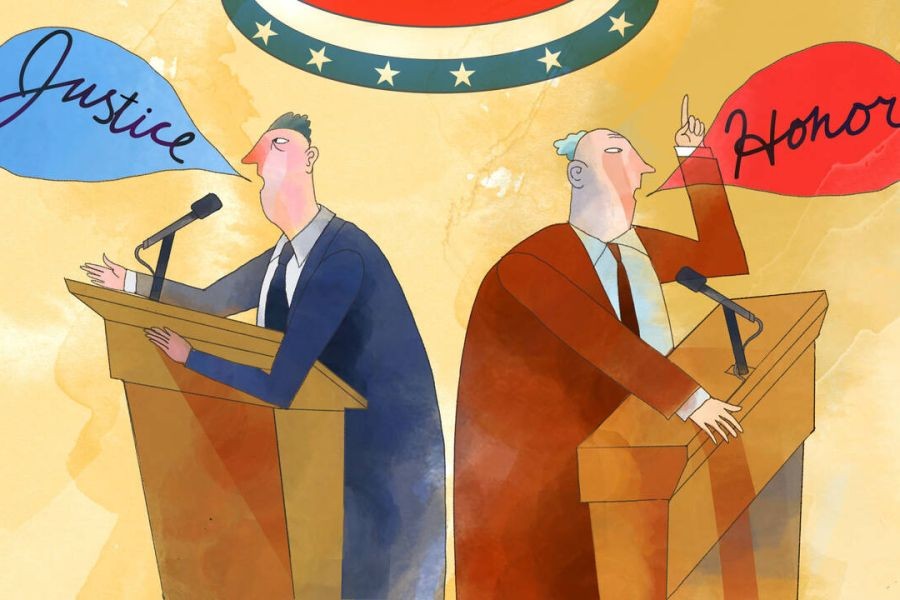
The Great Debate: Celebrity Advocacy – Authentic Shift or Superficial Greenwashing?
This trend inevitably sparks a robust debate. Let's contrast the two primary viewpoints.
✅ The Advocate Perspective: A Force for Unprecedented Good
Proponents argue that celebrity influence is the fastest way to democratize sustainability. The logic is compelling: complex IPCC reports reach thousands; a celebrity's Instagram post reaches millions. This "trickle-across" effect can normalize sustainable behaviors—wearing vintage, choosing plant-based meals, supporting clean energy—overnight. Furthermore, celebrities have the capital to invest in and scale green tech startups, directly accelerating innovation. Their advocacy can pressure policymakers, as seen with climate-focused lobbying in the US and EU. In this view, even motivations that are partially image-based still yield a net positive for the planet by shifting markets and mindsets.
❌ The Critic Perspective: The Perils of "Light Green" Consumerism
Skeptics warn of "impact theatre"—superficial actions that distract from systemic change. The concern is that advocacy-driven consumption simply replaces one form of consumption with another, still within a growth-at-all-costs framework. A celebrity may wear a sustainable outfit but fly on a private jet, negating any benefit. This can reduce profound systemic challenges to individual shopping choices, letting corporations and governments off the hook. There's also a risk of cultural appropriation, where indigenous practices like Māori weaving or holistic land management are co-opted by brands without proper partnership, benefit-sharing, or understanding.
⚖️ The Middle Ground: Leveraging the Influence, Anchoring in Integrity
The most effective path acknowledges the power of celebrity while tethering it to grassroots authenticity and regulatory action. The goal should be to use this cultural moment to elevate truly transformative solutions, not just marginally better products. For New Zealand, this means our brands and policymakers must work together. Having worked with multiple NZ startups, I've seen that those who partner directly with iwi on sustainability projects, or who advocate for stronger domestic climate policy, build deeper resilience and credibility that outlasts any fleeting trend.
Common Myths and Mistakes in Sustainable Branding
Navigating this space requires avoiding costly misconceptions.
Myth 1: "Sustainable" is a marketing label you can self-apply. Reality: Consumers and regulators are increasingly savvy. Greenwashing—making false or exaggerated environmental claims—now carries reputational and legal risk. The New Zealand Commerce Commission is actively prioritizing crackdowns on misleading green claims. Your assertions must be specific, provable, and verified by third-party certifications like Toitū Envirocare or specific lifecycle assessment data.
Myth 2: Our small size in New Zealand means we can't influence global trends. Reality: New Zealand's small size is a strategic asset, allowing for rapid innovation and serving as a "test bed" for sustainable systems. Our success stories—like Allbirds, Ethique (plastic-free beauty), and Whakatōhea Mussels (regenerative aquaculture)—demonstrate global scalability. The world looks to us for solutions in agriculture, conservation, and renewable energy.
Myth 3: Sustainability is always more expensive and lowers profits. Reality: While initial investment can be higher, sustainable practices drive long-term efficiency, risk mitigation, and consumer loyalty. A 2023 report by the Sustainable Business Network highlighted that NZ businesses leading in sustainability are seeing improved access to capital, enhanced employee recruitment, and stronger market differentiation. It's a driver of value, not just a cost.
Future Trends: Where Advocacy and Sustainability Converge
The next five years will see this fusion deepen. We are moving towards a world where a product's "advocacy footprint" will be scrutinized as closely as its carbon footprint. Consumers will ask: Does this brand align with my values on social justice, biodiversity, and equity? Technology will enable this through hyper-transparency. Imagine scanning a garment to see not only its carbon cost but also the living wage conditions of its makers and the corporate lobbying record of its parent company.
For New Zealand, this is our arena to lead. Our policy environment, with frameworks like the Climate Change Response (Zero Carbon) Amendment Act and the National Policy Statement for Freshwater Management, provides a credible backbone. Our challenge is to commercialize and globalize our innovations at speed. Based on my work with NZ SMEs, the businesses that will thrive are those integrating these values into their core operations now, building the data trails and partnerships that will be the default standard of tomorrow.
Final Takeaways and Call to Action
The conversation around a celebrity's style evolution is far more than tabloid fodder. It is a visible tremor from a seismic shift in global consciousness, where identity, consumption, and planetary health are becoming inextricably linked. New Zealand is uniquely positioned not as a follower of this trend, but as its authentic heart.
- ✅ Fact: The market for sustainable goods is growing exponentially, and cultural icons are accelerating demand.
- 🔥 Strategy: Kiwi businesses must lead with verifiable integrity, deep storytelling, and full supply-chain transparency.
- ❌ Mistake to Avoid: Don't treat sustainability as a marketing add-on. It must be a foundational design and operational principle.
- 💡 Pro Tip: Forge genuine partnerships with iwi and environmental NGOs. This builds authentic stories and shared-value models that are defensible and durable.
What’s Next for New Zealand? This is our moment to step onto the global stage not just with products, but with a proven philosophy of living well within ecological limits. I challenge every Kiwi entrepreneur, farmer, and policymaker to view this cultural shift not as a threat, but as the ultimate validation of our path. The world is finally seeking what we have been nurturing for generations. Let's show them how it's done.
People Also Ask (PAA)
How does celebrity sustainability advocacy impact New Zealand exports? It creates premium market opportunities for NZ's verified sustainable products (e.g., wool, honey, seafood). Global demand shifts towards traceable, ethical goods, allowing NZ to leverage its strong green reputation for increased export value and differentiation in crowded markets.
What is the biggest risk for NZ brands in this trend? The largest risk is greenwashing or perceived inauthenticity. NZ's brand is built on purity; any claim not backed by robust, verifiable data can cause disproportionate reputational damage. Compliance with evolving regulations like the Fair Trading Act is essential.
What can an individual in New Zealand do to support this shift? Be a discerning consumer. Support local brands with transparent practices, ask retailers about product origins, and advocate for stronger corporate sustainability reporting. Individual choices collectively signal market demand, encouraging more businesses to adopt genuine sustainable models.
Related Search Queries
- Kim Kardashian sustainable fashion brand
- New Zealand circular economy startups
- Impact of celebrity culture on consumer behavior
- How to verify sustainable claims in products
- New Zealand ethical wool producers
- Greenwashing regulations New Zealand
- Allbirds sustainability model analysis
- Kaitiakitanga in business practice
- Stats NZ environmental goods exports data
- Future of ethical consumerism 2025
For the full context and strategies on Kim Kardashian feared style change amid White House activism – What No One Is Talking About in NZ, see our main guide: Real Estate Video Campaigns Boost Listings Nz.