






For decades, Australia has enjoyed a formidable global reputation: the ‘lucky country’ with a stable democracy, robust rule of law, and an economy built on an enviable trove of natural resources. This perception has been a cornerstone of our national wealth, underpinning foreign investment, trade relationships, and our standing on the world stage. However, from a wealth management perspective, reputational capital is not a permanent asset. It is a fragile construct that requires constant, prudent stewardship. A confluence of domestic policy inertia, shifting global expectations, and emerging economic vulnerabilities suggests that Australia’s esteemed reputation is more precarious than complacent narratives suggest. For high-net-worth individuals and institutional investors whose portfolios are intrinsically linked to Australia’s sovereign risk profile, understanding these fault lines is not academic—it is a critical component of strategic asset allocation and risk mitigation.
The Pillars of Perception: What Australia’s Reputation is Built On
Australia’s strong global brand rests on several long-standing pillars. Politically, we are seen as a stable, middle-power democracy with transparent institutions. Economically, our AAA credit rating—though recently under scrutiny—has signalled fiscal reliability. Our legal system provides certainty for contract enforcement and property rights, a non-negotiable for capital. Furthermore, our vast reserves of iron ore, lithium, and natural gas have positioned us as an indispensable supplier to the global economy, particularly in Asia. This combination has created a powerful narrative of a safe, reliable, and resource-rich destination for capital.
However, a wealth manager must look beyond the narrative to the underlying fundamentals. Reputation is a lagging indicator; it reflects past performance more accurately than future prospects. The real question is whether the policies and economic structures that built this reputation are being maintained and adapted for a new era. Drawing on my experience advising Australian enterprises with significant offshore exposure, I’ve observed a growing dissonance between our historical brand and our current trajectory, a gap that international partners and investors are beginning to note.
Reality Check for Australian Businesses and Investors
Where does the perception risk lie? It manifests in several interconnected domains where Australia’s performance is increasingly misaligned with global benchmarks and expectations.
1. The Energy Transition and "Green" Credentials
Globally, capital is flowing decisively toward ESG-aligned investments. Nations are being judged not just on their current economic output, but on their transition pathway. Australia, as the world’s third-largest fossil fuel exporter, faces a profound reputational challenge. Despite our world-class renewable resources, our pace of energy transition is frequently criticised as lagging. The European Union’s Carbon Border Adjustment Mechanism (CBAM) and similar initiatives create a tangible financial risk for trade-exposed, emissions-intensive industries. From consulting with local businesses across Australia in mining, manufacturing, and agriculture, the anxiety is palpable. They face the dual threat of potentially higher export costs and difficulty attracting ESG-mandated capital. A nation perceived as a climate laggard risks seeing its entire economic output discounted, regardless of sector.
2. Productivity and Innovation Stagnation
A reputation for economic stability is hollow without growth in productivity. Here, the data is concerning. According to the Productivity Commission’s 2023 report, Australia’s productivity growth has languished at its lowest levels in 60 years. Multifactor productivity actually declined by 0.4% in 2022-23. For a wealthy nation, our reliance on population growth to drive GDP expansion, rather than innovation and efficiency gains, is a significant long-term vulnerability. It signals to global investors a potential decline in future returns on capital invested in Australian enterprises. Having worked with multiple Australian startups seeking growth capital, the consistent feedback is that while the ideas are world-class, the domestic ecosystem for scaling deep-tech and IP-based companies remains underdeveloped compared to global peers.
3. Geopolitical Alignment and Trade Reliance
Australia’s economic fortune has been inextricably linked to the rise of China, our largest trading partner. This concentration creates a profound reputational and practical dilemma. Navigating the strategic competition between the US and China requires a diplomatic agility that protects our security alliances without triggering devastating economic retaliation. The recent lifting of Chinese trade impediments on Australian barley and wine is a positive step, but the underlying vulnerability remains. Our reputation as a reliable trade partner is now tested from two angles: in Beijing, as a potentially disloyal customer; and in Washington and other Western capitals, as an economy potentially susceptible to coercion. This balancing act is a key sovereign risk factor that must be priced into any long-term investment thesis for Australia.
Case Study: The Australian Housing Market – A Domestic Vulnerability with Global Resonance
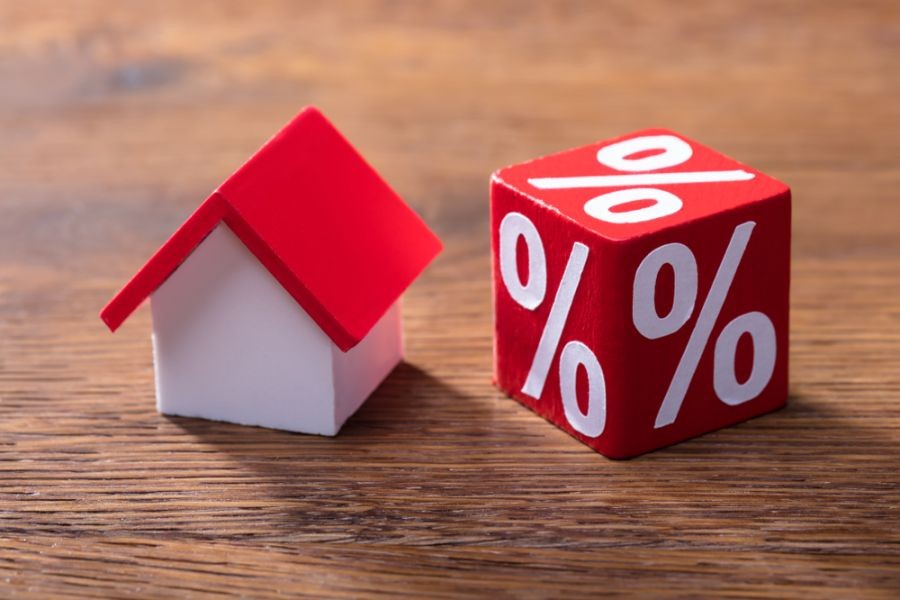
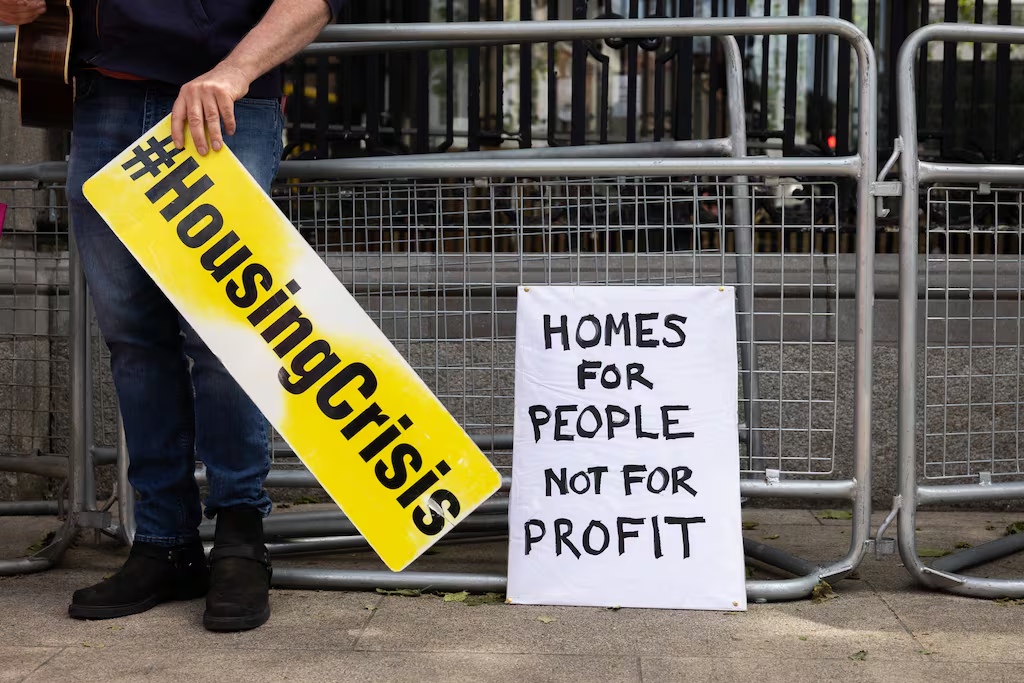
Problem: Australia’s housing market is often cited as a sign of national wealth. However, its structure presents a major reputational risk regarding economic stability and intergenerational equity. Sky-high price-to-income ratios, concentrated in major cities, signal deep affordability crises. The RBA’s financial stability reviews have repeatedly highlighted household debt—much of it mortgage debt—as the number one domestic vulnerability. In 2023, household debt to income ratio hovered around 188%, one of the highest in the developed world.
Action: Policy responses have been fragmented. While macroprudential measures by APRA have aimed to cool investor lending, fundamental supply-side issues in planning and construction have persisted. Tax settings, notably capital gains tax discounts and negative gearing, remain largely untouched despite recommendations from multiple reviews, including the 2019 Financial Services Royal Commission’s broader critique of systemic complacency.
Result: The market exhibits extreme sensitivity to interest rate changes, as the RBA’s recent hiking cycle has painfully demonstrated. This creates volatility and exposes the economy to shocks. For global institutional investors assessing country risk, an economy where consumer spending is held hostage to mortgage stress and where a significant asset class is perceived as a bubble is a red flag. It undermines the narrative of a stable, well-managed economy.
Takeaway: This is not merely a social policy issue. It is a macroeconomic stability issue that directly impacts Australia’s creditworthiness and investment grade. A nation unable to solve a chronic housing affordability crisis is perceived as one with political gridlock and long-term structural weaknesses—qualities that erode confidence. In practice, with Australia-based teams I’ve advised, we now stress-test client portfolios for scenarios involving a sustained housing market correction, viewing it as a non-negligible systemic risk.
The Cost of Complacency: Weighing the Pros and Cons of Our Current Trajectory
A clear-eyed assessment is necessary. Australia is not without strengths, but the cost of inaction on these fronts is rising.
✅ Persistent Advantages (The "Pros")
- Resource Endowment: The global energy transition, while a challenge, also represents a massive opportunity. Australia is a top-five holder of critical minerals like lithium, nickel, and cobalt, essential for batteries and renewables.
- Institutional Strength: Our legal, regulatory (ASIC, APRA), and democratic institutions, while tested, remain fundamentally strong compared to many global alternatives.
- Geographic Positioning: Our location in the Indo-Pacific, the world’s economic centre of gravity, remains a strategic advantage if navigated wisely.
- Human Capital: We have a highly educated, multicultural workforce and world-class research institutions, providing a foundation for an innovation-led transition.
❌ Mounting Vulnerabilities (The "Cons")
- Policy Inertia: Short-term political cycles often trump long-term reform in critical areas like tax, energy, and housing, creating uncertainty.
- Productivity Crisis: Low productivity growth caps wage growth and living standards, making Australia a less competitive destination for value-added investment.
- Trade Concentration Risk: Over-reliance on a single trading partner amidst geopolitical tension is a classic risk concentration error.
- Climate Transition Risk: Delays in a coherent energy and industrial policy could lead to stranded assets, trade disadvantages, and a loss of "green" capital.
- Social Cohesion Indicators: Issues like housing affordability, if unaddressed, can fray social cohesion, leading to political volatility which investors abhor.
A Strategic Imperative for Australian Wealth Holders
For Australian investors and businesses, this fragile reputation is not a spectator sport. It directly impacts portfolio values, cost of capital, and opportunity sets. The actionable strategy here is reputational risk hedging.
- Diversify Geographically: Ensure investment portfolios have meaningful exposure to assets and economies outside Australia’s direct sphere of vulnerability. This is not about abandoning Australia, but about prudent risk management.
- Scrutinise Sector Exposure: Overweight sectors positioned for the transition (e.g., critical minerals, renewable infrastructure, healthcare tech) and be cautious of those most exposed to reputational discounting or policy shock (e.g., undiversified fossil fuel exporters, highly leveraged property developers).
- Engage in Active Stewardship: Use your voice as a shareholder. Advocate for the companies in your portfolio to adopt genuine, transparent ESG practices and transition plans. This improves the resilience of your individual holdings and, collectively, of the Australian market.
- Lobby for Reform: As influential stakeholders, advocate for policy settings that strengthen our long-term fundamentals: tax reform to incentivise productivity, clear energy transition frameworks, and policies to boost innovation and housing supply.
The Future of Australia’s Global Standing: Two Scenarios
The path forward bifurcates sharply, with significant implications for wealth creation and preservation.
Scenario 1: The Managed Transition. Australia leverages its strengths decisively. It becomes a renewable energy superpower and a reliable supplier of processed critical minerals. Bipartisan policy delivers productivity-enhancing tax and education reform. We diversify trade while managing geopolitical ties with nuance. In this scenario, our reputation evolves from a "lucky country" to a "smart, resilient country," attracting a premium for stability and innovation. The Australian dollar and asset markets re-rate positively.
Scenario 2: The Complacent Decline. Policy paralysis continues. The energy transition is messy and reactive, leaving us with stranded assets and trade penalties. Productivity stagnates further. Geopolitical tensions lead to economic disruption. Our AAA credit rating is lost. Here, Australia’s reputation erodes to that of a former champion struggling to adapt, facing higher costs of capital and diminished global influence. Asset returns would suffer in real terms.
Based on my work with Australian SMEs and large family offices, the difference between these scenarios will be the single largest determinant of intergenerational wealth transfer outcomes over the next two decades.
People Also Ask
How does Australia's global reputation directly affect my investments? A strong reputation lowers sovereign risk, attracting foreign capital and keeping borrowing costs low for the government and corporations. This supports asset prices. A deteriorating reputation can lead to capital outflows, currency weakness, and higher interest rates, negatively impacting most asset classes in your portfolio.
What is the biggest misconception about Australia's economic stability? The biggest misconception is that our historical resource wealth and institutional stability guarantee future prosperity. Stability is not a passive inheritance; it requires active management of new risks like the energy transition, productivity, and geopolitical shifts, areas where our policy momentum is currently lacking.
What can individual investors do to mitigate this reputational risk? Beyond geographic and sector diversification, investors should apply a "resilience lens" to their Australian holdings. Favour companies with credible transition plans, strong balance sheets, and competitive advantages that are not solely reliant on outdated policy settings. Engage with fund managers on how they are integrating these country-risk factors into their analysis.
Final Takeaway & Call to Action
Australia’s global reputation is a form of national equity. It is not depleted yet, but it is being amortised by inaction. For the astute wealth manager and investor, the task is threefold: recognise the fragility embedded in complacent narratives, adjust strategic asset allocation to hedge against these latent risks, and use your influence to advocate for the policy and corporate reforms that will repair and strengthen our national balance sheet. The next decade will be a test of whether we are prudent stewards of our inherited luck or merely its beneficiaries until it runs out.
What’s Next? Review your investment policy statement. Does it adequately account for Australian sovereign and reputational risk? Conduct a stress test on your portfolio for scenarios involving a sustained downturn in the Australian dollar, a housing market correction, or a sector-specific shock driven by climate policy. The time for strategic foresight is now.
Related Search Queries
- Australia AAA credit rating risk 2024
- Impact of CBAM on Australian exports
- Australian productivity growth statistics
- ESG investing Australia reputation
- Australia China trade relations future
- Australian housing market stability risk
- Critical minerals Australia investment opportunities
- Climate policy Australia economic impact
- Sovereign risk assessment Australia
- Diversifying investments outside Australia
For the full context and strategies on Why Australia’s Global Reputation Is More Fragile Than You Think – What Aussie Professionals Should Know, see our main guide: Australian Beauty Personal Care.